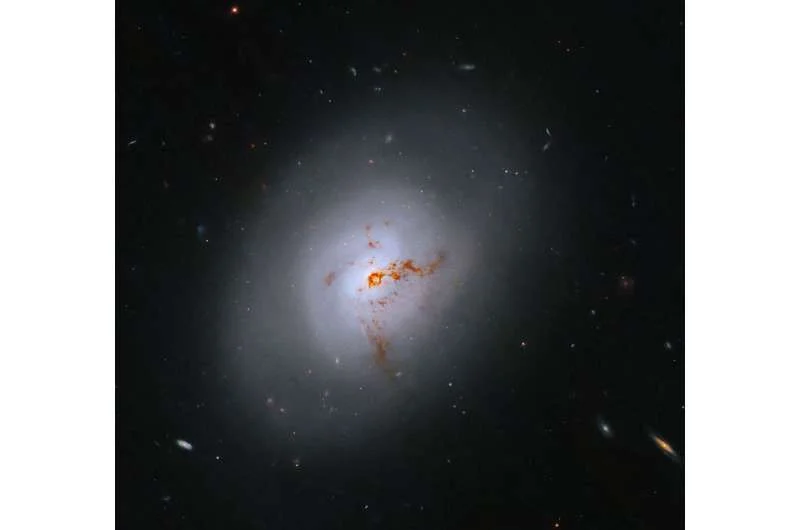
As of May 19, 2026, the NASA/ESA Hubble Space Telescope has provided imaging of an enigmatic galaxy located 100 million light-years from Earth. This object represents a specific, ephemeral state of cosmic evolution: a 'post-starburst' galaxy, a classification accounting for only about one percent of the local galactic population.
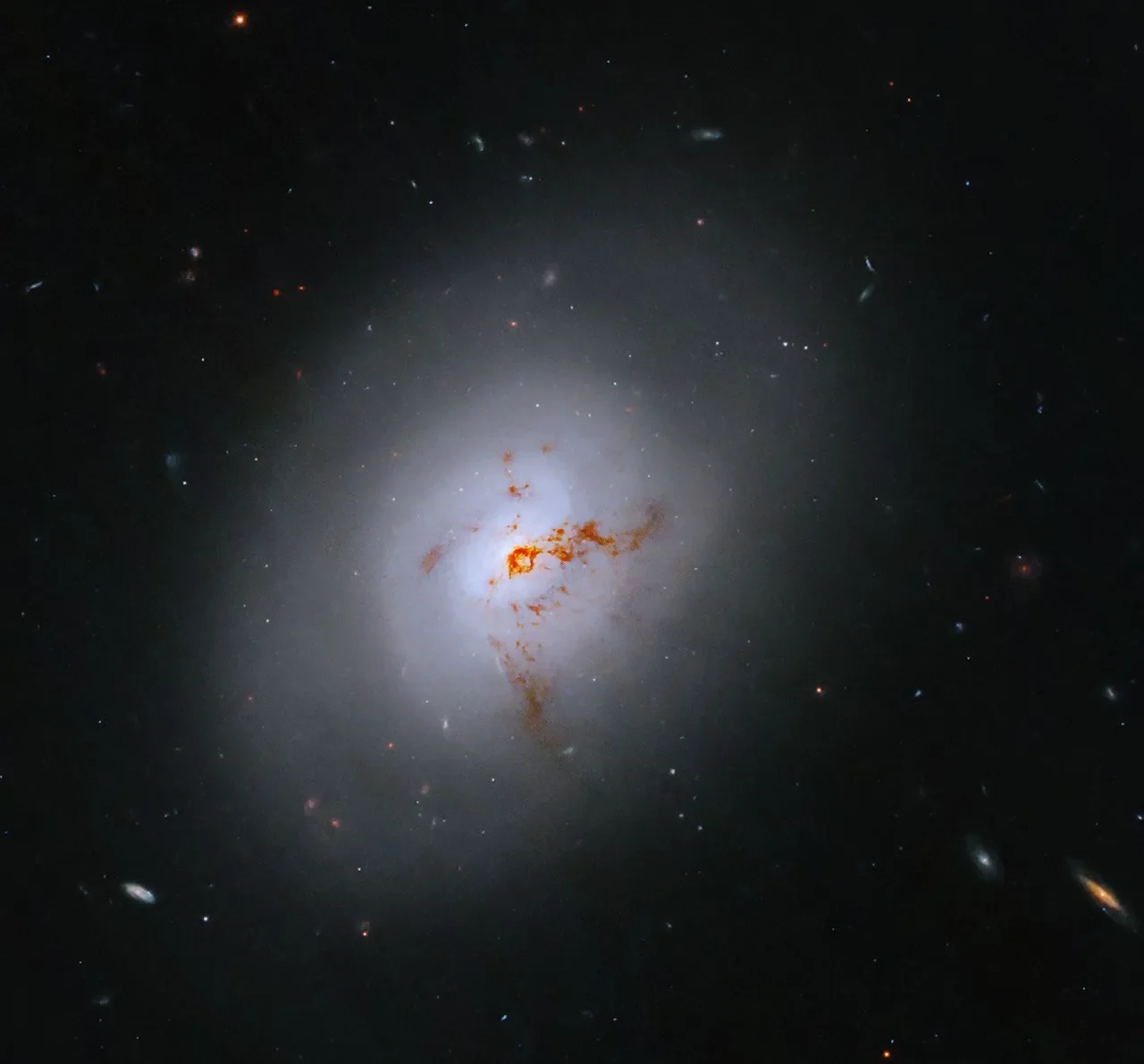
The galaxy exists in a state of suspended transformation, exhibiting a young stellar population while simultaneously lacking the active gas reservoirs required for new star formation.
| Feature | Observation Status |
|---|---|
| Classification | Post-starburst / Lenticular |
| Star Formation | Minimal / Suppressed |
| Morphology | Diffuse; lacking clear spiral arms |
| Core Activity | High; Supermassive black hole interaction |
Mechanisms of Stagnation
The structural peculiarities observed are the result of a past merger event. This interaction performed two functions: it catalyzed a rapid surge in star birth and directed vast amounts of matter toward the galaxy's central supermassive black hole. The current observed state is defined by the following feedback loops:
Fuel Depletion: The initial burst of star formation consumed the available interstellar gas.
Active Feedback: Powerful jets and winds emitted by the central black hole have further expelled or heated the remaining gas, preventing gravitational collapse into new stellar nurseries.
Structural Turbulence: Ongoing energetic processes have introduced enough kinetic instability to stifle further star birth, effectively 'quenching' the galaxy.
Contextualizing Galactic Evolution
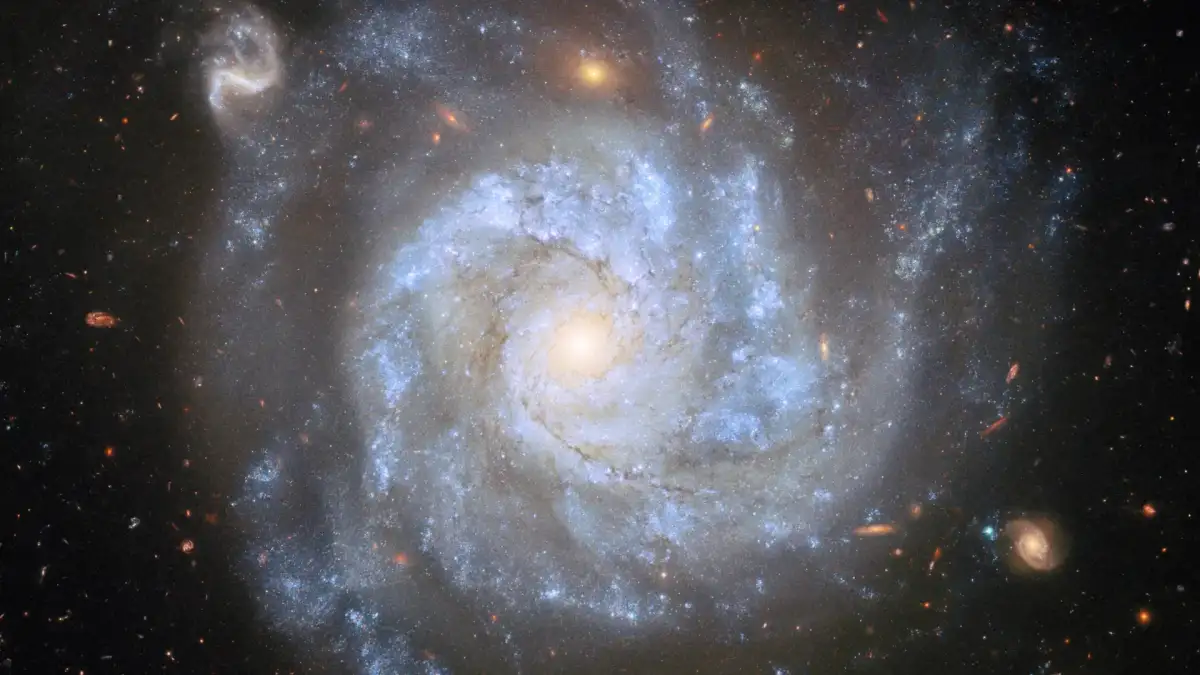
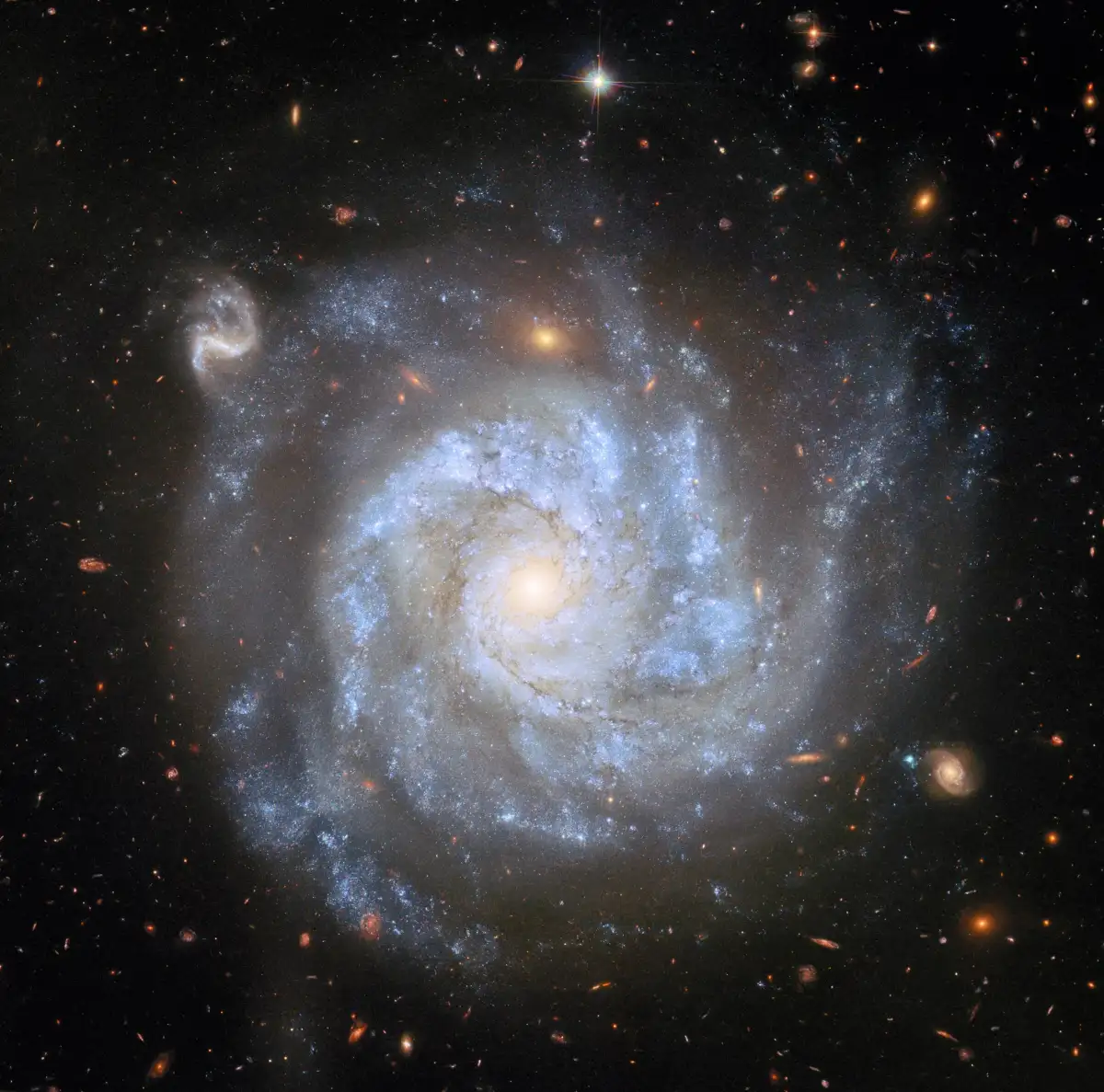
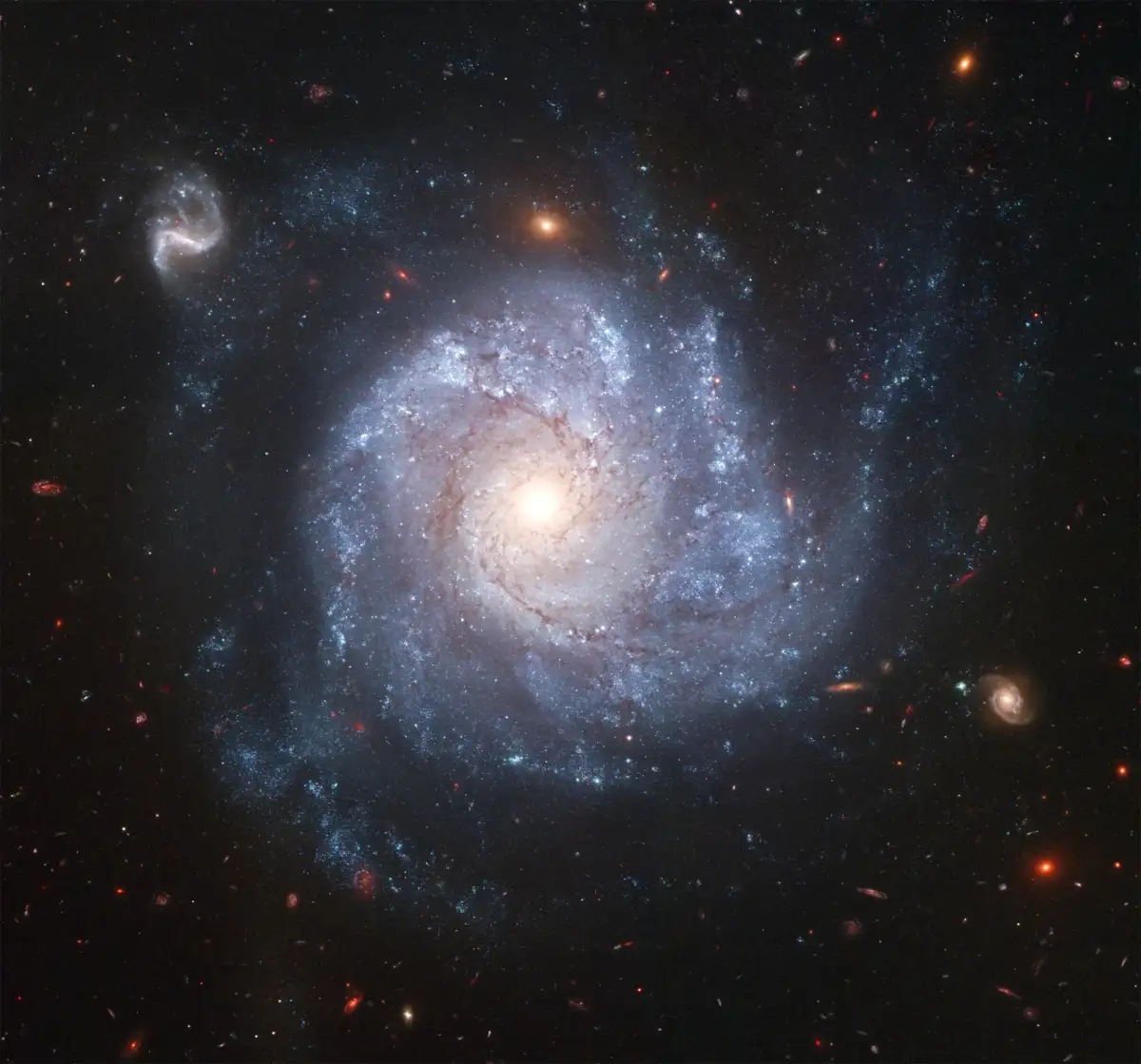
In contrast to the structured, predictable patterns of classic spiral galaxies, this subject occupies a fragile intermediate position on the way to becoming a featureless, elliptical system. While earlier astronomical research, such as the studies of NGC 1309, focused on Type Iax supernovae and 'zombie stars' that survive explosive events, the current focus on this post-starburst object centers on the macro-scale exhaustion of galactic resources.
Read More: US Space Force Victus Haze Mission Successfully Tests Orbital Intercepts
The image captures the galaxy's face, marked by reddish-brown filaments of dust, contrasting with the backdrop of more distant, unrelated celestial bodies. The transition is not merely visual; it is a clear example of a galaxy navigating the shift between the chaotic growth of its youth and the static equilibrium of its eventual, star-poor future.