Technosignatures and Interstellar Speculation Take Center Stage
Madison, WI - The Astrobiology Science Conference, AbSciCon26, convened this week in Madison, Wisconsin, a gathering that routinely pulls together a wide array of minds – chemists, planetary scientists, astronomers, and a smattering of journalists and policymakers – to mull over life's cosmic origins and its potential manifestations beyond Earth. The event, held from May 17th to May 22nd, serves as a biennial crucible for sharing findings, fostering collaboration, and, according to organizers, "planning for the future."
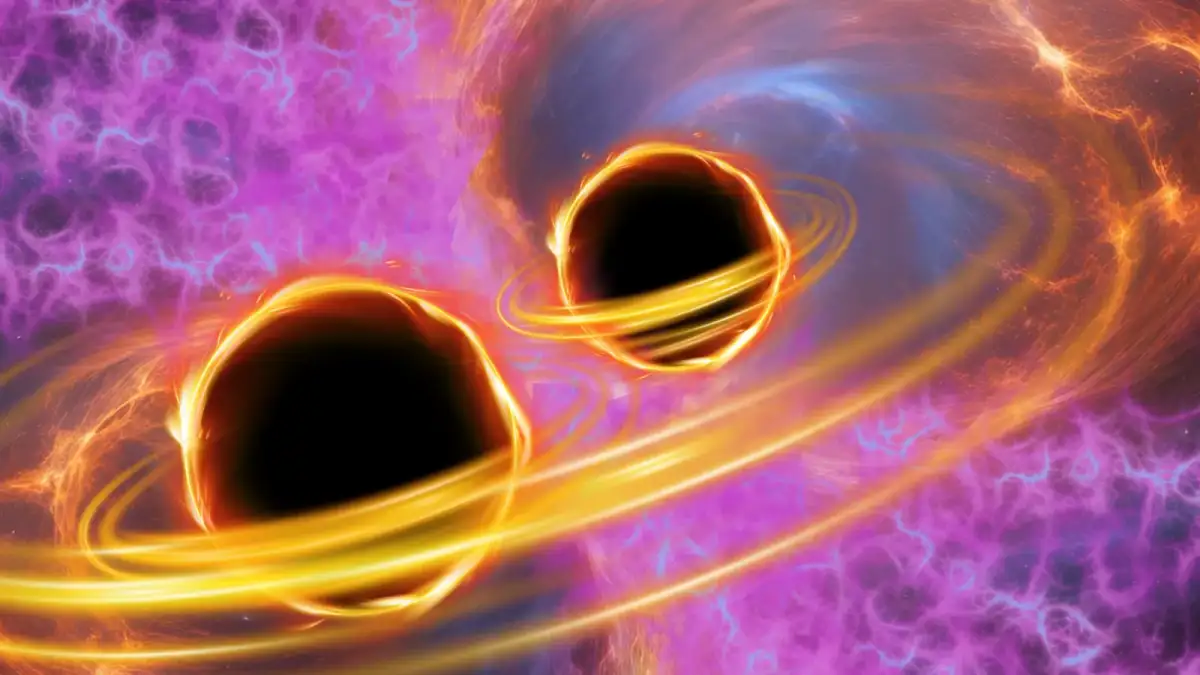
Amidst discussions on microbial habitability of Mars and the practicalities of space medicine, sessions specifically zeroed in on the hunt for 'technosignatures' – the traces of advanced alien civilizations. This includes exploring theoretical constructs such as "massive mirrors deployed around exoplanets" and even more speculative notions, like the idea of "spider pulsars" being colossal vessels used by hypothetical species to escape dying solar systems. The conference, characterized by community-organized sessions, also featured poster presentations, oral presentations, and plenary lectures.
Read More: Indigenous Data Rights Now Key in Conservation Genomics
A Broad Tent for Astrobiology
The conference aims to be a broad platform, encompassing everything from the fundamental chemistry of life's emergence to the engineering challenges of robotic exploration. It actively solicits proposals for focused symposia and workshops, ensuring the program reflects "current frontiers of astrobiology science," a description provided by organizers. This year's iteration follows previous gatherings in Providence, Rhode Island, and Atlanta, Georgia, underscoring its recurring role in the scientific calendar.
Diverse Participants, Shared Ambitions
AbSciCon26 drew a mix of established researchers from institutions like NASA and international bodies such as the European Space Agency (ESA), alongside "early-career researchers." The stated ambition is to foster a global network of partnerships for a "sustainable future," a sentiment echoed across promotional materials. The event is not solely for scientists; it explicitly welcomes students, journalists, policymakers, and educators, aiming for a cross-pollination of ideas and a wider public engagement with astrobiological pursuits.
Read More: US Space Force Victus Haze Mission Successfully Tests Orbital Intercepts