As of May 19, 2026, the global energy landscape remains fractured between a technical "tipping point" for renewables and an immediate, volatile crunch in fossil fuel logistics. While international bodies proclaim a pivot to sustainable power, geopolitical friction in the Middle East has pushed supply chains toward a potential collapse.
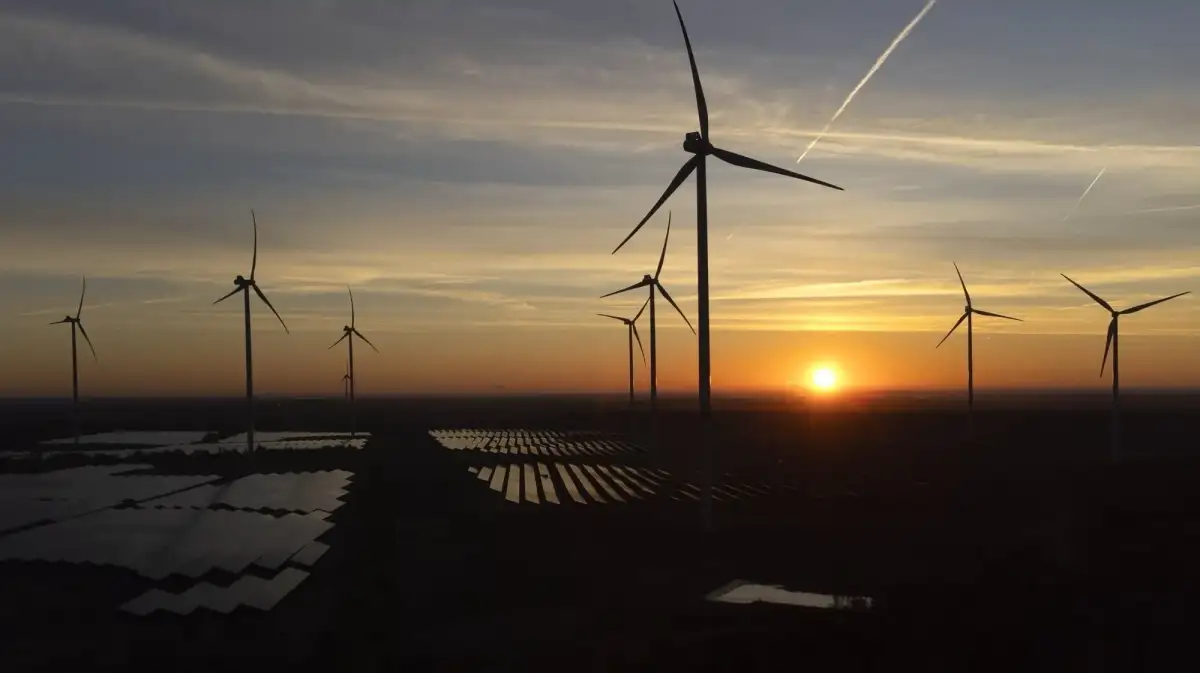
The transition to renewable energy has achieved structural cost competitiveness, yet this shift remains decoupled from the immediate dangers of an energy "cliff edge" driven by regional conflict.
The Renewable Paradox
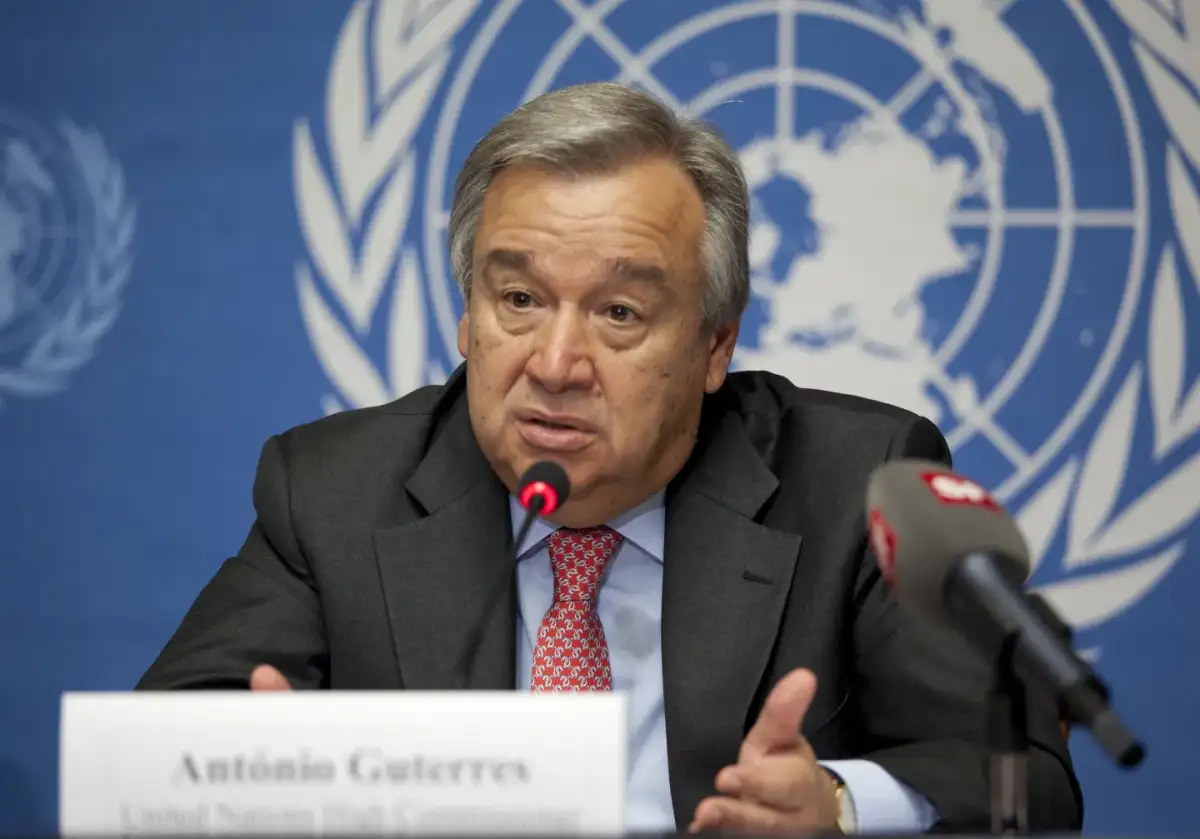
Despite the continued dominance of fossil fuel infrastructure, the economic argument for clean energy has shifted. Reports from the United Nations as of mid-2025 emphasize that solar and wind power now constitute the vast majority of growth in electricity production.
Cost parity: Renewable energy sources have surpassed fossil fuels in price-to-output efficiency.
Systemic momentum: The United Nations maintains that the economic benefits—specifically job creation and energy security—are now functionally undeniable.
Subsidization lag: Market-distorting subsidies for fossil fuels remain high, estimated at a 9-to-1 ratio against green alternatives, creating an asymmetrical playing field.
The Looming Summer Crunch
Contrasting this long-term trend, the immediate supply environment is increasingly fragile. The ongoing US-Iran friction continues to disrupt the Strait of Hormuz, a primary maritime artery for global oil transport.
Read More: Solaris Energy SEI Stock Price Forecast Reaches $91.98 by July 2027
| Risk Factor | Impact on Market | Status |
|---|---|---|
| Logistics | Increased freight rates due to regional conflict | Acute |
| Diversion | Forced shift to land-based trucking for cargo | Sustained |
| Availability | Bracing for a potential "summer energy cliff" | Imminent |
Analytical Perspective: The Fragile Equilibrium
The current state of energy is defined by a deep, unresolved contradiction. On one hand, global governance structures frame the transition to renewables as a matter of economic inevitability. They view fossil fuel-dependent assets as "stranded" or increasingly obsolete, even while governments continue to provide massive fiscal support for traditional hydrocarbons.
Conversely, the market's reliance on existing transit corridors for crude oil suggests that the transition remains abstract for current security concerns. The efforts by firms to circumvent mine-laden waters in the Gulf indicate that "energy security" is currently defined more by physical access to shipping lanes than by the percentage of grid penetration achieved by wind or solar farms.
The divide persists: the narrative of the future energy economy relies on a rapid decline of fossil fuel use, while the current reality is tethered to the physical preservation of aging, conflict-prone supply lines. Nations remain trapped between the push to divest from carbon and the desperate need to keep the lights on through conventional, albeit volatile, means.
Read More: UN Panel Warns AI Risks Grow Faster Than Science and Rules