Astronomers are currently attempting to reconcile observations of Luminous Fast Blue Optical Transients (LFBOTs), a class of celestial events characterized by intense, short-lived luminosity that defies standard supernova models. Data gathered through high-energy monitoring reveals these flashes burn up to 100 times brighter than typical stellar explosions, maintaining a constant, extreme blue temperature throughout their brief existence.
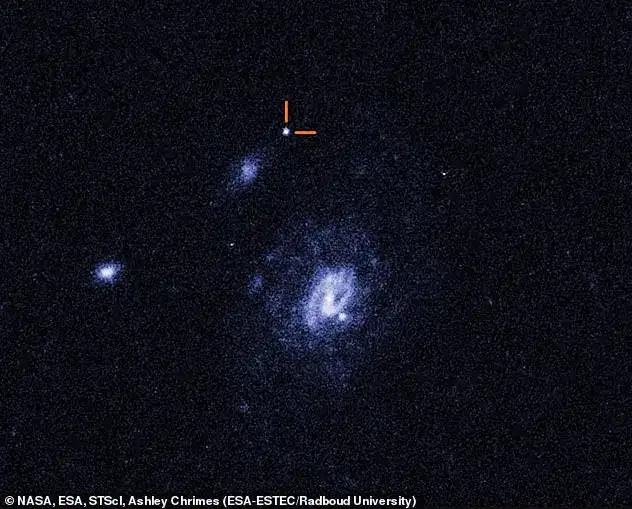
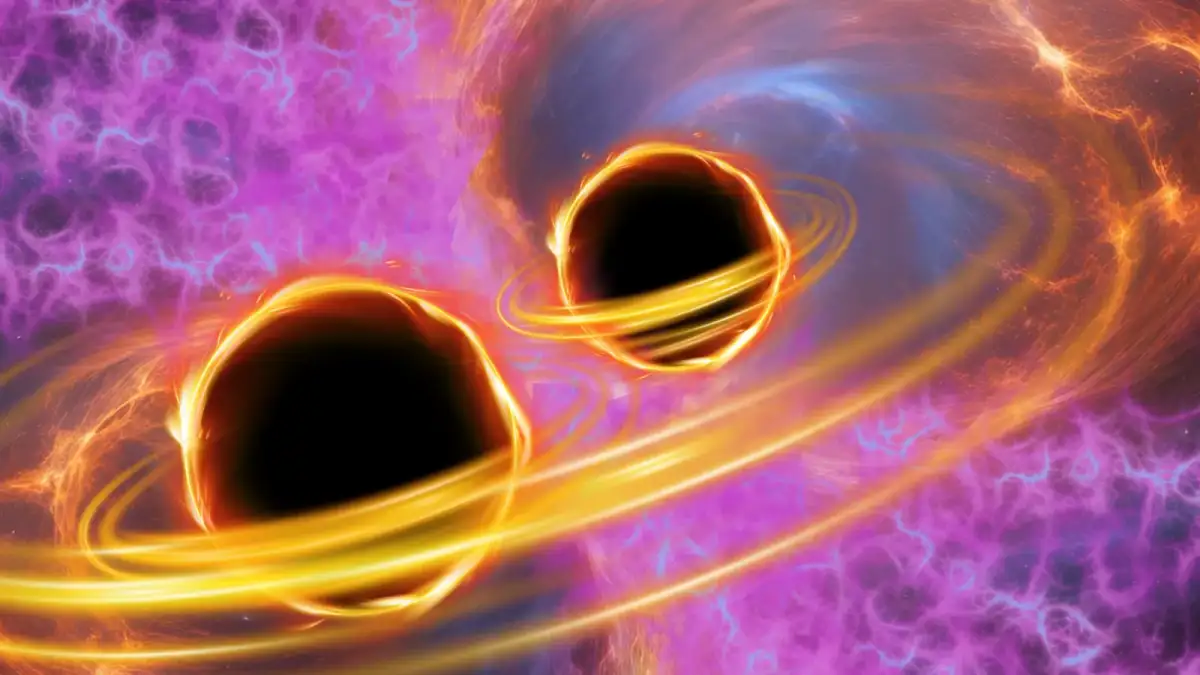
The current prevailing hypothesis identifies these events as the result of a black hole consuming a companion Wolf-Rayet star.
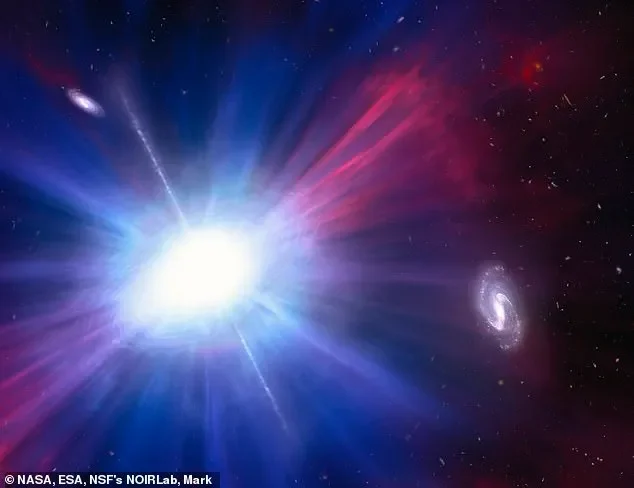
Mechanisms of Disruption
Recent studies suggest the process is not a singular blast, but a two-stage gravitational interaction:
Accretion: A black hole strips hydrogen from a Wolf-Rayet star—a massive, hot star already lacking an outer hydrogen layer—over a sustained period.
Halo Formation: This process creates a surrounding halo of stellar material that the black hole cannot immediately ingest.
Collision: As the Wolf-Rayet star is eventually torn apart by extreme tidal forces, the ejected debris strikes the existing halo, triggering a violent, high-energy explosion visible across X-ray, ultraviolet, and blue optical spectrums.
| Feature | Supernova | LFBOT |
|---|---|---|
| Duration | Weeks/Months | Days |
| Luminosity | High | Up to 100x Higher |
| Spectrum | Variable | Constant Blue |
| Primary Driver | Core Collapse | Tidal Disruption/Accretion |
Contextualizing the 'Blue' Mystery
The scientific community, including researchers at institutions such as Harvard & Smithsonian and UC Berkeley, initially categorized these signals as unusual supernovae or errant gas clouds. However, the absence of hydrogen signatures—the standard fuel for most star-related explosions—led to a reassessment.
Read More: US Space Force Victus Haze Mission Successfully Tests Orbital Intercepts
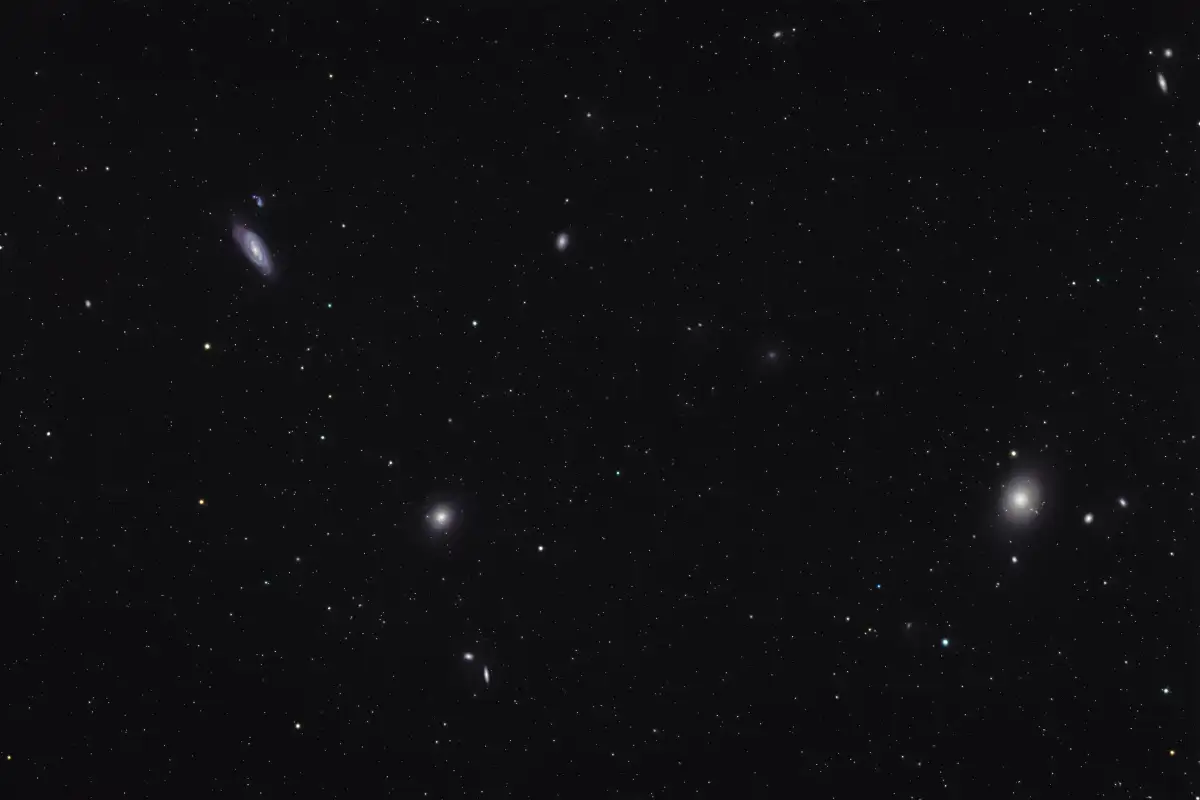
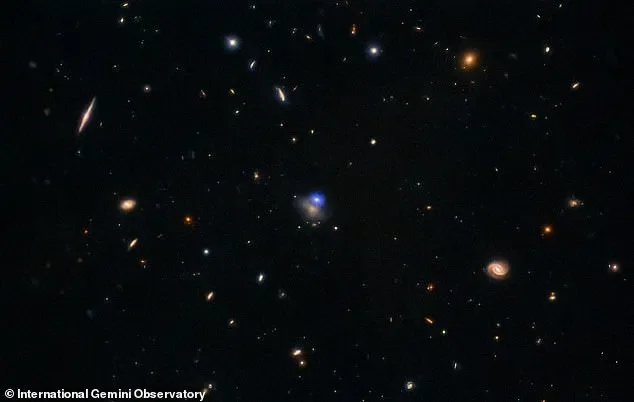
These events are significant not merely for their rarity, but for the light they shed on the interaction between massive binary systems. As investigations continue into specific events like AT2024wpp, researchers aim to map the exact environmental context within host galaxies that permits such "scary" physics to occur. The consensus shifts away from spontaneous stellar death toward a model of persistent, aggressive gravitational predation.
LFBOT research continues to prioritize these findings as indicators of violent galactic dynamics, distancing these phenomena from standard cosmological classification.