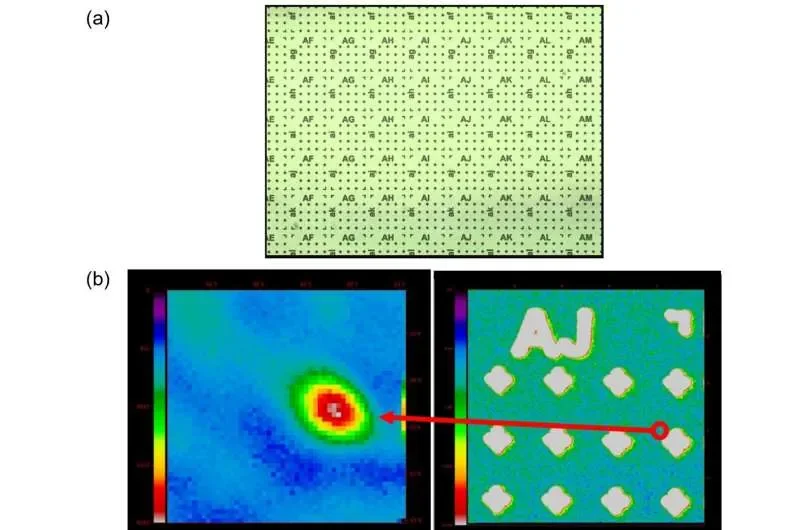
Genetic researchers have recently localized a specific eight-base-pair region linked to recessive eye-color mutations in the honey bee (Apis mellifera). Published in Molecular Biology and Evolution on July 3, 2026, the investigation utilizes Multi-omic data and pool-sequencing to track how Purifying Selection acts upon deleterious alleles—those variations that typically degrade organismal fitness—within a highly specialized insect population.
The research confirms that honey bees, due to their unique haplodiploid sex-determination system, provide a high-resolution lens for observing how lethal or harmful traits are expressed, masked, or purged from a gene pool.
Analytical breakdown of selection mechanisms
The presence of a white-eye mutation, often categorized under the Cinnabar phenotypic complex, serves as a marker for deeper evolutionary tensions within the colony. Unlike diploid organisms where recessive alleles can remain hidden in a heterozygous state for generations, the drone bee—being haploid—exposes these mutations directly to selective pressure.
Read More: Indigenous Data Rights Now Key in Conservation Genomics
| Selection Mechanism | Biological Impact |
|---|---|
| Purifying Selection | Actively removes deleterious alleles from the breeding population. |
| Haplodiploidy | Allows direct phenotypic expression of recessive alleles in males. |
| Inbreeding Depression | Increases homozygosity, often reducing colony survival viability. |
The Mechanics of "Purging"
The study underscores a critical biological irony: while Inbreeding Depression can devastate small populations, the rigid social structure of the honey bee acts as a sieve. By analyzing the frequency of mutations fixed between wild-type and variant populations, scientists are identifying how the species maintains its Genetic Variation while navigating the inherent risks of localized mating.
Direct Observation: The use of pool-seq approaches on N=60 drone samples demonstrates how small, localized shifts in genetic code manifest as observable physiological variations.
Fitness Consequences: These recessive mutations do not exist in a vacuum; they represent a tension between drift—the random fluctuation of gene frequencies—and the selective requirement to maintain a robust, functional worker caste.
Systemic Health: The research suggests that understanding these Genome-wide associations is no longer merely academic. It informs how colony collapse and population isolation might be mitigated by managing gene flow, much like the recovery seen in isolated vertebrate populations elsewhere.
Contextual Background
The evolution of eusociality in insects like Apis mellifera is tied inextricably to their genetic structure. Haplodiploidy ensures that workers are more closely related to their sisters than to their own potential offspring, a factor that stabilizes the social hierarchy. However, this same system ensures that if a deleterious recessive allele—such as those affecting vision or metabolic function—is introduced, it cannot hide. It is either eliminated by the failure of the drone to contribute to the colony or it is persisted through careful selection of the queen. The current work highlights that the "eyes" of the honey bee are, quite literally, the primary testing ground for these evolutionary experiments.
Read More: Amazon Land Use Changes Cause Disease Clusters in Brazil