The Indus Waters Treaty remains in a state of formal abeyance as of April 2026. The Indian Ministry of External Affairs (MEA) maintains that this status is a direct consequence of what it identifies as Pakistan’s continued support for cross-border militancy. The suspension, triggered following the April 2025 Pahalgam attack—which resulted in the deaths of 25 Indian citizens and one Nepali national—is currently reinforced by a policy shift from New Delhi to restrict resource sharing as a mechanism of diplomatic pressure.
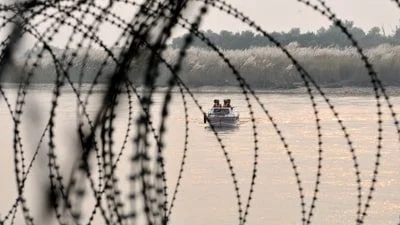
Current State of Affairs
The cessation of treaty protocols, communicated formally by India’s Secretary of Water Resources Debashree Mukherjee to her counterpart Syed Ali Murtaza, serves as the backbone of a broader containment strategy against Pakistan.
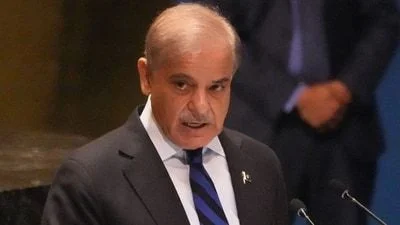
Diplomatic Retaliation: India has expelled military advisors from the Pakistani High Commission and enforced a sharp reduction in diplomatic staff, from 55 to 30 personnel.
Visa Restrictions: The SAARC Visa Exemption Scheme has been suspended for Pakistani nationals, with existing visas effectively revoked and a 48-hour window for departure mandated for those currently residing in India under such arrangements.
Military Posture: Following the Pahalgam incident, India launched Operation Sindoor on May 7, 2025, targeting militant infrastructure. While intense cross-border exchanges occurred, both nations entered a ceasefire agreement on May 10, 2025.
| Policy Shift | Status |
|---|---|
| Indus Waters Treaty | In Abeyance |
| Diplomatic Staff (Pak HC) | Reduced to 30 |
| Military Advisors | Expelled |
| SAARC Visas | Suspended/Cancelled |
Rhetorical Escalation
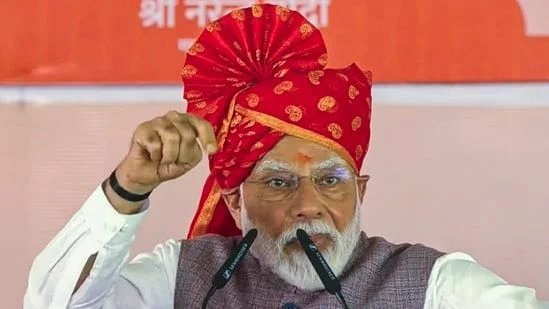
The suspension has transformed into a high-stakes standoff between leadership in both capitals. Prime Minister Narendra Modi has characterized the move as a necessary response, stating that "not a single drop" of water will be diverted to Pakistan. Conversely, the Pakistani establishment has signaled defiance.
Read More: Taiwan Holds Nantou County Drills to Prepare for State Collapse
"Pakistan would not back down if India forced it into war," remarked former Foreign Minister Bilawal Bhutto-Zardari, framing the water dispute as an assault on the historical identity of the Indus Valley.
Army Chief Asim Munir and Prime Minister Shehbaz Sharif have issued warnings regarding the potential for retaliation should water flows be permanently disrupted. General Munir notably indicated that any infrastructure projects aimed at cutting water flow would face physical destruction by Pakistani forces.
Background and Context
The Indus Waters Treaty, originally a bedrock of stability for water distribution between the two neighbors, has historically weathered numerous geopolitical storms. Its current suspension marks a fundamental departure from decades of procedural adherence. The decision followed the attack on tourists in Pahalgam, which was claimed by the Resistance Front, a proxy linked to the militant group Lashkar-e-Taiba. As India recalibrates its Foreign Policy to prioritize border security over historical Diplomatic Agreements, the ambiguity surrounding the future of the treaty suggests a protracted period of bilateral Instability.
Read More: AFP Reviews War Crime Claims Against Australian in Gaza