Analysis of 18 Years of Data Shows Limited Opportunities for Salmon, Trout, and Lamprey
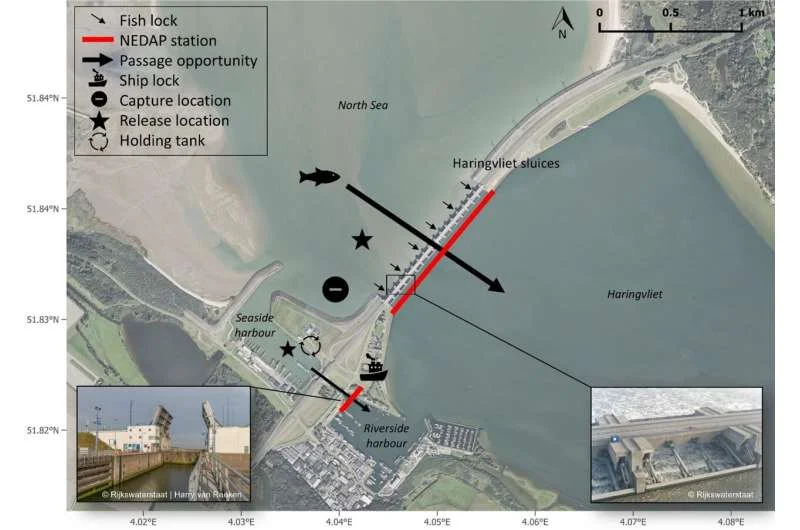
A new analysis spanning 18 years, from 1996 to 2018, demonstrates that migratory fish like salmon, sea trout, and sea lamprey faced severely restricted passage through the Haringvliet sluices. During this period, prior to changes in sluice management, fewer than a third of these fish were able to enter the Rhine-Meuse delta, and their successful passage through the sluices occurred only within very narrow timeframes.
The study, published in Movement Ecology, utilized data collected before the implementation of "Kierbeheer," a management strategy involving the partial opening of the sluices to allow limited saltwater intrusion and aid fish migration. Researchers found that river discharge played a significant role in attracting migratory fish for their upstream journeys. However, when the sluices were discharging water, high flow velocities actually limited passage opportunities. When no discharge occurred, passage was solely reliant on the operation of fish locks.
Read More: Amazon Land Use Changes Cause Disease Clusters in Brazil
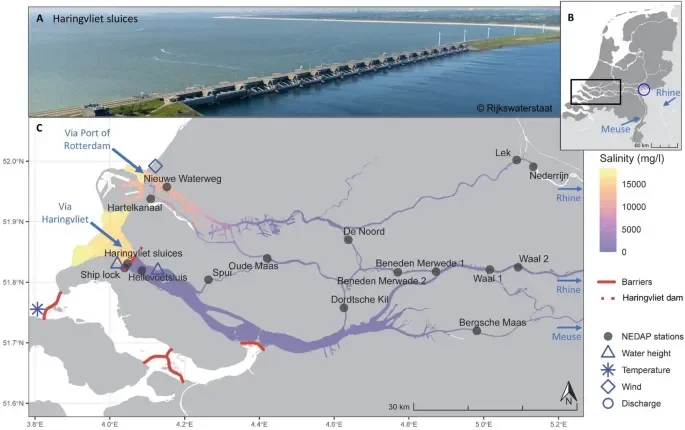
The findings underscore a global issue where dams and other artificial structures disrupt the crucial migration routes of anadromous fish. This research offers a baseline understanding of fish behavior at the Haringvliet barrier before management adjustments, with ongoing studies now examining the impact of Kierbeheer on fish migration patterns.
Species-Specific Behaviors and Data Sources
While the study highlights general challenges, evidence suggests different species exhibited distinct passage preferences and timing. Data underpinning the publication, made available by Wageningen University & Research, was compiled from environmental and sluice management records provided by Rijkswaterstaat and meteorological data from the Royal Netherlands Meteorological Institute (KNMI). Fish tagging and detection data were collected using the NEDAP Trail System®, owned by Rijkswaterstaat.
The dataset aims to improve understanding of fish behavior to optimize sluice gate management and support the rehabilitation of migratory fish populations.
Read More: Genocide suspect Felicien Kabuga dies in Dutch custody