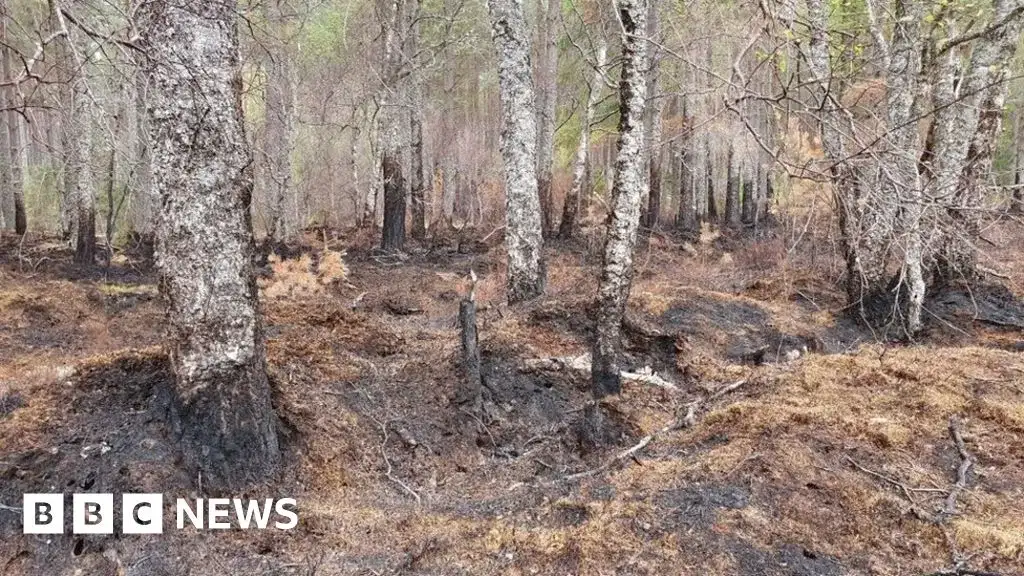
As of April 1, 2026, the Cairngorms National Park Authority (CNPA) has implemented a restrictive bylaw prohibiting the use of campfires and disposable barbecues within park boundaries. This regulatory shift—enforced annually between April 1 and September 30—aims to mitigate the escalating risk of wildfires and the subsequent destruction of fragile ecosystems.
The bylaw serves as a defensive response to the ecological vulnerability of peatland, which functions as a critical carbon store, and the protection of habitats housing rare ground-nesting fauna.
Regulatory Framework and Enforcement
The mandate follows a period of public consultation initiated in late 2023, where authorities evaluated various management strategies ranging from educational outreach to rigid legal prohibitions.
Temporal Scope: The ban applies during the spring and summer months, aligning with the peak periods of wildfire risk.
Geographic Reach: Covers the entirety of the UK’s largest national park, extending across the Highlands, Moray, Aberdeenshire, Angus, and Perthshire.
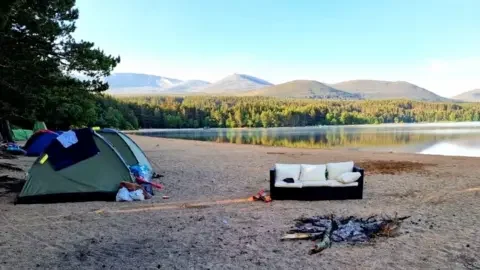
Primary Objective: Reduction of ignition sources in high-risk zones, such as the frequently impacted areas surrounding Loch Morlich.
Institutional Perspectives
Proponents of the measure, including the Scottish Land & Estates (SLE), have framed the legislation as a necessary intervention to preserve property and native biodiversity. The organization credits estate staff and local gamekeepers with suppressing previous fires that threatened to breach containment, noting that such events occur rapidly.
Read More: Amazon Land Use Changes Cause Disease Clusters in Brazil

“Uncontrolled wildfires can rage across vast areas in a matter of hours, posing a threat to people, property and the rare native species for which the Cairngorms is renowned.” — Stephen Young, Director of Policy for Scottish Land & Estates.
Contextual Development
The decision to pursue statutory Bylaws emerged from long-standing friction between recreational land use and environmental safety. For years, residents in the Glenmore area specifically documented persistent issues regarding abandoned fire sites and scorched earth.
| Phase | Action | Status |
|---|---|---|
| 2023 | Initial proposal for management plans | Completed |
| 2024 | Public consultation on Fire Control | Completed |
| 2025 | Adoption of seasonal ban | Implemented |
| 2026 | First full operational year of Cairngorms ban | Active |
This shift highlights a broader tension between the public’s access to National Parks and the tightening oversight required to manage climate-sensitive landscapes. By shifting from voluntary education to legislative mandate, the CNPA seeks to neutralize the environmental hazards posed by unregulated open flames in a landscape increasingly susceptible to thermal degradation.