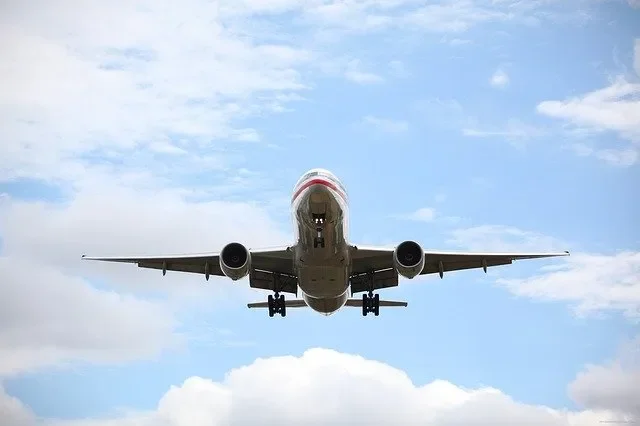
Research released on April 6, 2026, indicates that proposed Stratospheric Aerosol Injection (SAI) methods—designed to reflect solar radiation—pose a direct hazard to commercial aviation. Scientists warn that the dispersion of sulphur dioxide in the upper atmosphere leads to the formation of sulphuric acid clouds, potentially compromising cabin air quality and structural integrity for aircraft navigating these regions.
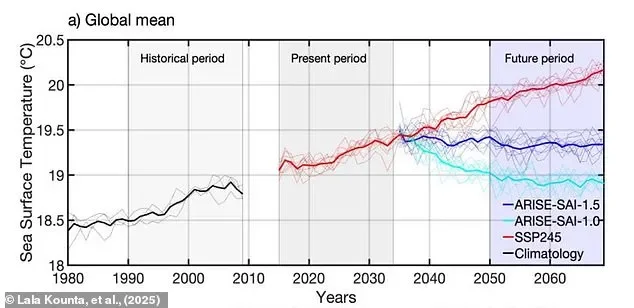
Core Insight: Geoengineering interventions designed to lower global temperatures through sulphur dispersal create chemical toxicity risks for high-altitude commercial transit corridors.
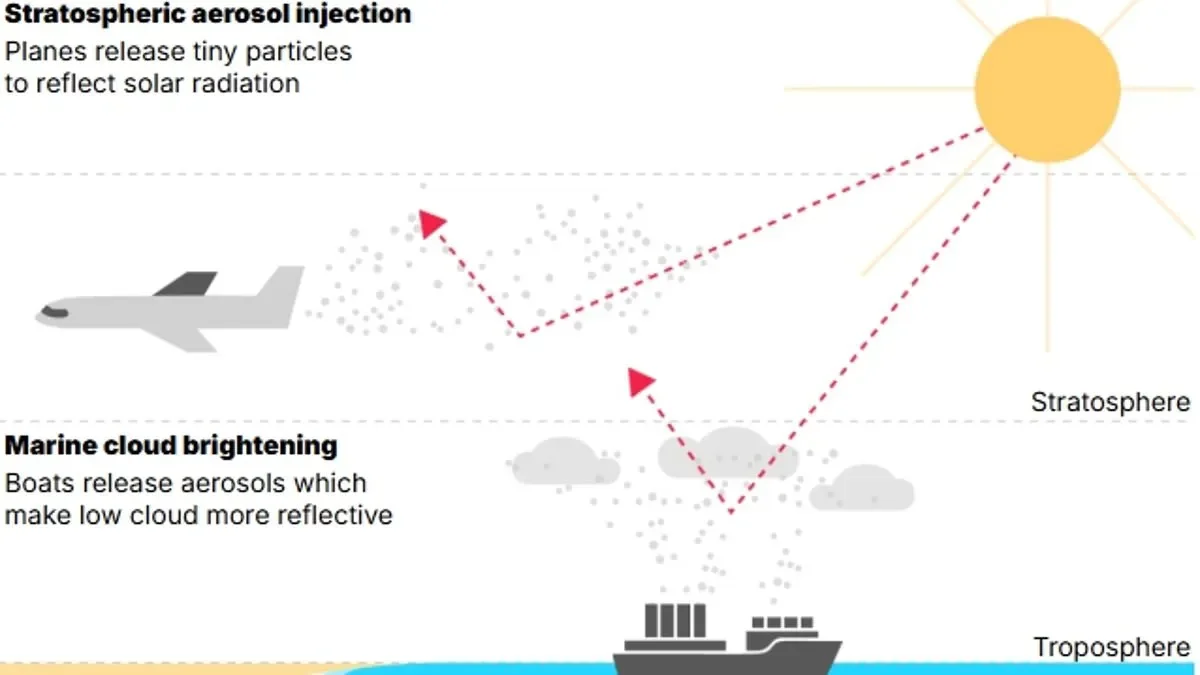
Chemical Risks and Operational Exposure
The mechanics of SAI rely on the release of gases that convert into sulphate particles. Data suggest that these artificial aerosols do not remain uniform or predictable, creating dense patches of corrosive material.
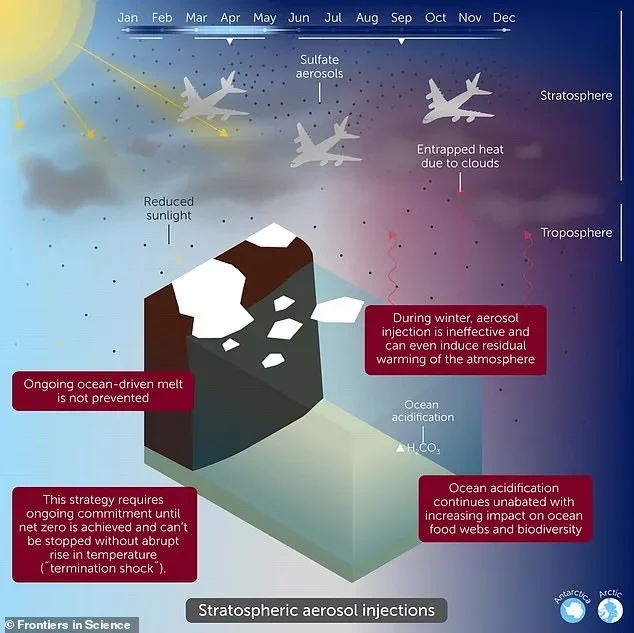
Chemical Ingestion: Engines and ventilation systems intake surrounding air, raising the probability of hazardous sulphuric acid accumulation within passenger cabins.
Predictability Gap: Models rely on "idealized" particle dispersal, whereas actual atmospheric turbulence could lead to unexpected, concentrated plumes.
Safety Constraints: Current aviation safety protocols lack procedures for maneuvering through engineered chemical clouds, potentially forcing significant flight path deviations or costly technical retrofitting.
| Feature | Projected SAI Impact | Current Aviation Reality |
|---|---|---|
| Atmospheric Composition | Elevated sulphur dioxide | Natural ambient levels |
| Exposure Risk | Corrosive acid formation | Negligible chemical risk |
| Operational Impact | Potential route restriction | Unrestricted flight corridors |
Scientific Skepticism
The push for geoengineering persists despite vocal opposition from the atmospheric science community. Faye McNeill of the Columbia Climate School highlights a persistent flaw in current proposals: the gap between computer-simulated climate models and physical atmospheric behavior.
Read More: Indigenous Data Rights Now Key in Conservation Genomics
"Even when simulations of SAI in climate models are sophisticated, they're necessarily going to be idealised. Researchers model the perfect particles that are the perfect size, and in the simulation, they put exactly how much of them they want, where they want them." — Faye McNeill
Background and Context
The concept of Geoengineering gained momentum as a high-stakes solution to accelerating climate volatility. While proponents frame it as a cooling measure, critics have labeled early iterations of such projects as "barking mad." Following the authorization of a $66 million experiment in April 2025, the conversation has shifted from theoretical modeling to identifying physical consequences, such as disrupted weather patterns and, now, threats to global Aviation safety. The current discourse underscores the tension between systemic climate mitigation and the localized, often ignored, hazards to transport infrastructure.