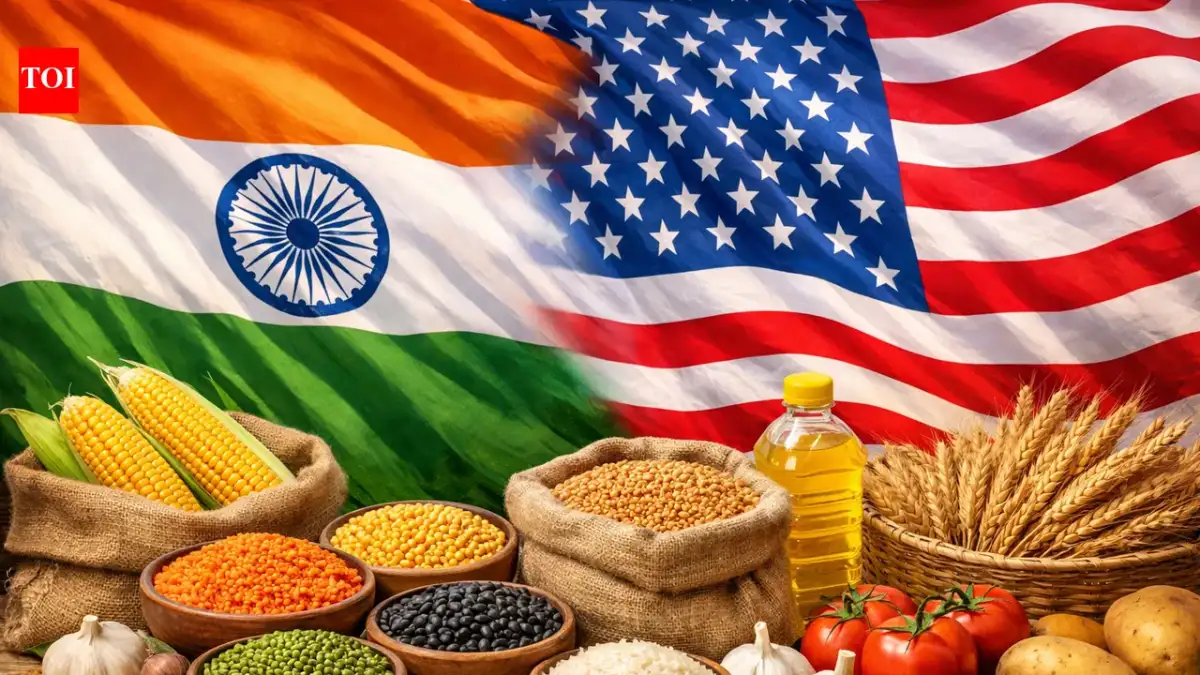
The United States and India have announced a framework for an interim trade agreement, signaling a step towards improved bilateral relations after months of negotiation and tension. However, subsequent revisions to official documents have introduced ambiguity regarding the scope and nature of certain commitments, leading to differing interpretations of the deal's impact. Key areas of discussion include changes to trade in agricultural products, digital services taxes, and purchase commitments.
Historical Context and Key Actors
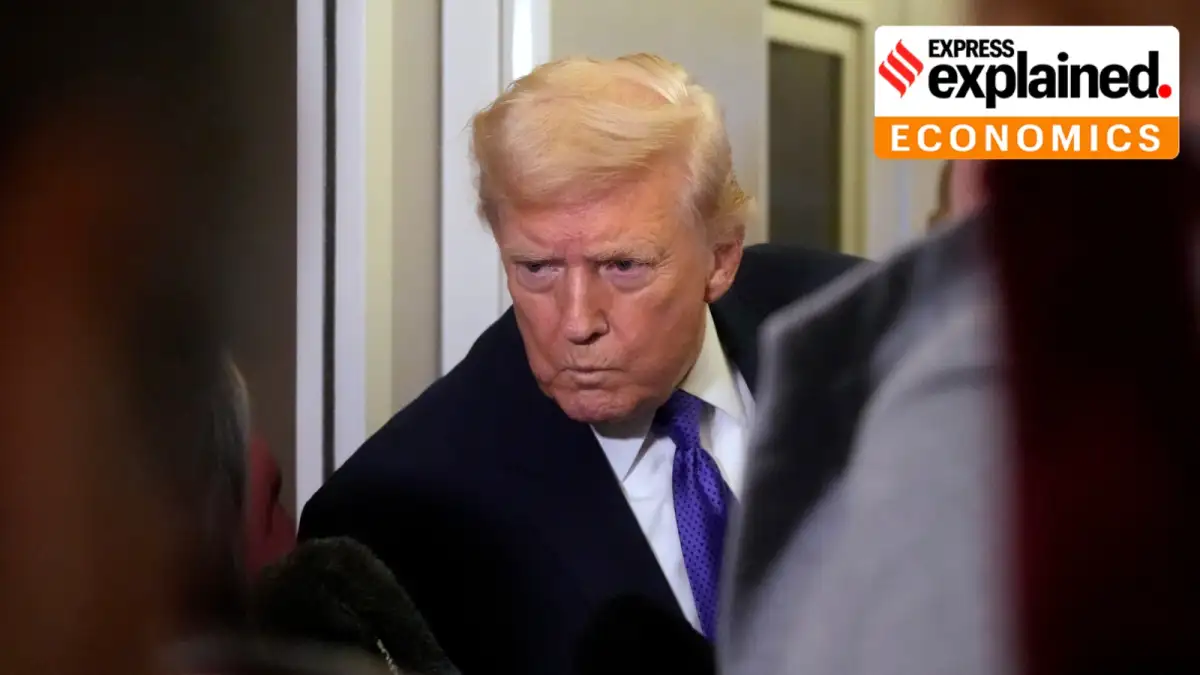
The current trade discussions build upon a complex history between the U.S. and India, marked by periods of both cooperation and friction. President Donald Trump's administration has emphasized reciprocal trade and addressed non-tariff barriers. Indian Commerce Minister Piyush Goyal has assured that the deal would not negatively affect Indian farmers or rural jobs. Rahul Gandhi, a prominent Indian political figure, has voiced concerns, suggesting the deal could compromise India's energy and data security, as well as the future of its farmers.
Read More: Elon Musk's Terafab to Make Chips for Tesla and SpaceX by 2025
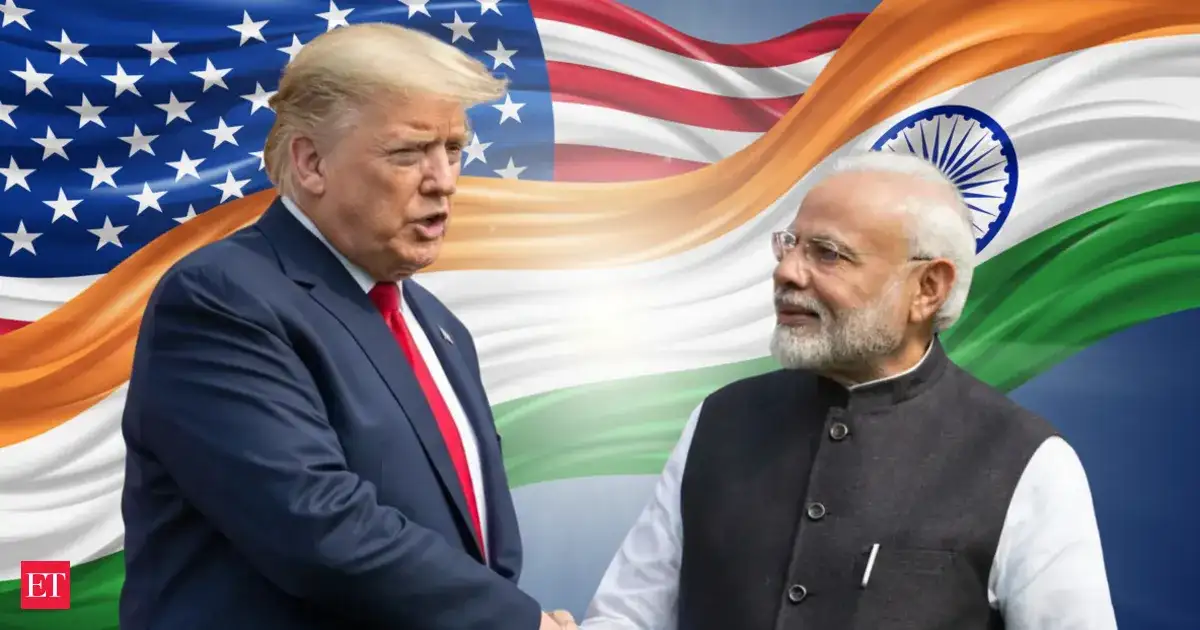
Timeline:
Negotiations began in February 2025.
An interim trade agreement framework was announced recently.
The White House released a factsheet detailing the agreement, followed by revisions.
Key Actors:
United States: President Donald Trump, White House administration.
India: Prime Minister Narendra Modi, Commerce Minister Piyush Goyal, political figures like Rahul Gandhi.
Industry Groups: APEDA (Agricultural and Processed Food Products Export Development Authority).
Analysts: BofA Global Research.
Shifting Commitments: A Closer Look at Revisions
Official documentation surrounding the U.S.-India trade deal has undergone notable adjustments, particularly in the White House factsheet and joint statement. These revisions appear to address sensitivities and clarify commitments, though they have also created areas of ambiguity.
Pulses and Agricultural Products:
An initial draft of the White House factsheet mentioned India's commitment to reduce tariffs on a range of U.S. agricultural products, including "certain pulses."
The updated factsheet removed the specific mention of pulses.
While Minister Goyal stated the deal would not hurt Indian farmers, this specific revision raises questions about the initial intent and the subsequent modification.
Digital Services Taxes and Digital Trade Rules:
An earlier version of the factsheet stated India would "remove its digital services taxes and commit to negotiate a robust set of bilateral digital trade rules… including rules that prohibit the imposition of customs duties on electronic transmissions."
This section was subsequently removed altogether from the India-U.S. joint statement and significantly altered in the factsheet to simply state India's commitment to "negotiate a robust set of bilateral digital trade rules."
This change could suggest a reevaluation of India's digital sovereignty and the potential implications for its significant user base and data potential.
Purchase Commitments:
An earlier text indicated India was "committed" to a purchase of "$500 billion from the country" for U.S. energy, technology, agriculture, coal, and other products.
The revised text changed this to India "intend[s] to purchase over $500 billion of US energy, information and communication technology, agricultural, coal, and other products."
Furthermore, the revised version removed the mention of agricultural goods from this specific purchase commitment. This shift from "committed" to "intend" and the exclusion of agriculture warrant further examination.
Tariffs and Market Access: Reciprocal Adjustments
The trade deal framework includes provisions for tariff adjustments on both sides, with the stated aim of increasing bilateral trade and providing preferential market access.
U.S. Tariffs:
The U.S. committed to reducing tariffs on certain Indian textiles, pharmaceuticals, gems, and aircraft parts to 18 percent.
Tariffs were also to be removed on certain aircraft and aircraft parts of Indian origin, linked to national security proclamations.
Indian Tariffs:
India has agreed to lower tariffs on U.S. industrial goods and a wide range of U.S. food and agricultural products.
However, India has protected staple crops, dairy, spices, tea, and sensitive fruits from tariff cuts. Machinery, electricals, vehicles, tech hardware, and non-sensitive foods are among the sectors where tariffs are reduced.
BofA Global Research suggests that India has made significant concessions on tariffs for U.S. exports, with its tariff position improving materially under the revised framework.
International Implications and Divergent Views
The U.S.-India trade deal framework has not only focused on bilateral economic ties but also has potential implications for India's broader diplomatic and economic relationships.
U.S. Relations with Other Nations:
The U.S. also announced a trade deal with Bangladesh shortly after the India agreement.
There is discussion about how India's strategic ties, including with the Quad and in the Indo-Pacific region, might be influenced by such trade patterns.
Concerns over External Pressures:
Some reports suggest the U.S. is influencing India's energy choices, advocating for the purchase of American-controlled Venezuelan oil and potentially impacting India's trade with Iran and projects like the Chabahar port.
Minister Goyal's assurance that the deal does not hurt Indian farmers contrasts with criticisms suggesting potential negative impacts on agricultural futures.
Expert Perspectives and Analysis
Analysis of the revised trade deal highlights differing views on its benefits and implications for India.
Positive Outlook: BofA Global Research anticipates that the impact on India's current account balance will be limited and sees upside risks to growth, partly due to expected tariff reductions supporting U.S. exports to India.
Skepticism and Concerns: Critics like Rahul Gandhi have expressed apprehension about data sovereignty and the long-term impact on Indian farmers. Other analyses suggest a degree of ambiguity and question the extent of India's gains, especially in light of specific revisions to official documents. The question of whether every strategic agreement will follow a similar pattern of pressure is also being raised.
Conclusion and Unanswered Questions
The framework for the U.S.-India interim trade agreement represents a significant development in bilateral economic relations. However, the revisions to the White House factsheet and joint statement have introduced complexity, particularly concerning agricultural goods, digital trade, and purchase commitments.
Read More: Former Pakistan Envoy Says Pakistan Would Bomb Mumbai, Delhi If Attacked
Key Findings:
The deal involves reciprocal tariff adjustments, with India protecting certain sensitive agricultural sectors.
Revisions to official documents have removed specific mentions of "pulses" and significantly altered statements regarding digital services taxes and purchase commitments.
There are divergent views on the economic and strategic implications for India.
Implications: The modified language around purchase commitments, shifting from "committed" to "intend," and the exclusion of agricultural goods from this clause, warrant careful observation. The impact of these changes on India's trade balance and its position in the global digital economy remains a subject of ongoing assessment.
Next Steps: Continued monitoring of trade flows, adherence to revised commitments, and further negotiations on digital trade rules will be crucial. Understanding India's strategy in balancing its trade interests with its digital sovereignty and strategic partnerships will be key.
Sources
The Hindu: https://www.thehindu.com/business/Economy/how-is-us-india-trade-deal-being-tweaked-explained/article70633133.ece - Published 6 hours ago. Provides a detailed explanation of the trade deal's adjustments, including concerns raised by political figures.
White House (Official): https://www.whitehouse.gov/fact-sheets/2026/02/fact-sheet-the-united-states-and-india-announce-historic-trade-deal/ - Published 4 days ago. The initial fact sheet announcing the trade deal.
The Indian Express: https://www.indianexpress.com/article/explained/explained-economics/explained-the-us-revisions-to-the-trade-deal-factsheet-and-how-they-affect-india-10526007/ - Published 2 days ago. Analyzes the revisions to the U.S. factsheet and their potential impact on India, particularly regarding data sovereignty.
NPR: https://www.npr.org/2026/02/08/nx-s1-5702497/u-s-india-trade-deal-improves-relations-but-strain-still-shows - Published 1 week ago. Reports on the trade deal, noting that it improves relations but underlying strains remain.
The Times of India: https://timesofindia.indiatimes.com/business/india-business/india-us-trade-deal-white-house-removes-pulses-from-fact-sheet-changes-key-text/articleshow/128183966.cms - Published 3 days ago. Details specific changes in the updated India-U.S. trade deal factsheet, including the removal of pulses and revision of purchase clauses.
White House (Official): https://www.whitehouse.gov/briefings-statements/2026/02/united-states-india-joint-statement/ - Published 5 days ago. The official joint statement outlining the U.S.-India trade agreement.
Vasquez Law Firm: https://www.vasquezlawnc.com/blog/us-india-trade-deal-revised - Published 2 days ago. A legal firm's overview of the revised U.S.-India trade deal.
ICICIdirect: https://www.icicidirect.com/research/equity/finace/us-india-trade-agreement-explained - Published 3 days ago. Explains the market and sector impact of the U.S.-India trade agreement.
Clark Hill PLC: https://www.clarkhill.com/news-events/news/u-s-india-trade-deal-phase-1-update/ - Seen on Brave. A legal firm's update on Phase 1 of the U.S.-India trade deal.
Livemint: https://www.livemint.com/market/stock-market-news/indiaus-trade-deal-explained-tariffs-oil-gdp-growth-what-changes-now-bofa-answers-key-faqs-11770788677436.html - Published 4 days ago. Features analysis from BofA Global Research on tariffs, oil, and GDP growth related to the India-U.S. trade deal.
NDTV: https://www.ndtv.com/india-news/usindia-trade-deal-explained-who-wins-who-pays-and-what-stays-protected-farmers-whisky-10964157 - Published 1 week ago. Explains the U.S.-India trade deal, focusing on who benefits and what remains protected, including assurances for farmers and specific sectors.
The Hindu: https://www.thehindu.com/opinion/lead/india-tested-from-us-sanctions-to-one-sided-trade-deal/article70629520.ece - Published 1 day ago. An opinion piece examining India's position in trade dealings with the U.S. and potential broader implications.