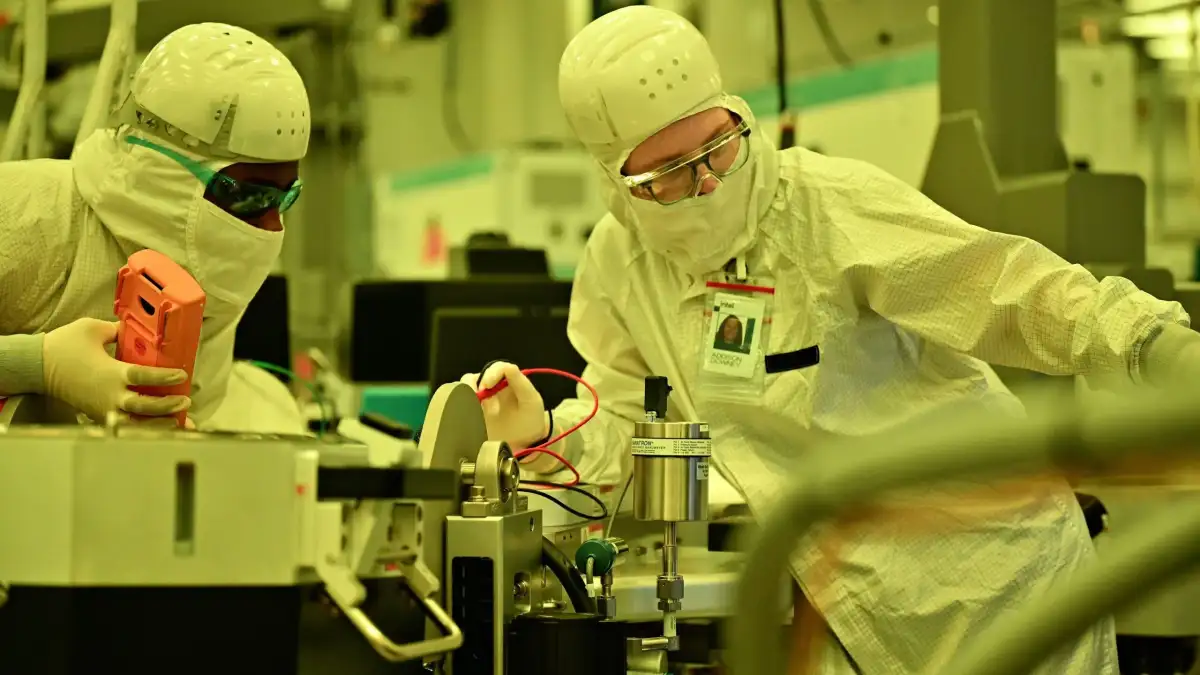
A new venture, dubbed "Terafab," has been announced by Elon Musk, aiming to establish significant in-house chip manufacturing capabilities for Tesla, SpaceX, and xAI. The project's stated ambition is to produce a terawatt of computing power annually, a scale that Musk suggests existing chip suppliers cannot match. This initiative seeks to bridge a perceived gap between current manufacturing capacity and the escalating demands of future artificial intelligence and space-based operations.

The Terafab project is intended to produce two distinct types of chips. One will cater to terrestrial applications, powering Tesla's autonomous vehicles and its Optimus humanoid robots. The other, designated "D3" chips, will be specifically engineered for SpaceX's orbital satellite constellation. These space-bound chips are projected to support systems initially operating at around 100 kilowatts and potentially scaling to megawatt levels, utilizing solar energy.
Read More: Sudden Black Screens on Computers: Is Your Graphics Card Failing?

While details regarding the financial contributions from Tesla and SpaceX remain vague, reports suggest Tesla is likely to bear a substantial portion of the estimated $25 billion investment. Musk has indicated that the facility will produce 2 nanometer chips.
Project Rationale and Industry Impact
Musk asserts that the pace of development within the established semiconductor industry is too slow to meet his projected needs, even with anticipated increases in output. This sentiment underscores the foundational reasoning behind Terafab: to bypass the limitations of external suppliers and exert greater control over the supply chain for critical AI and space infrastructure components.
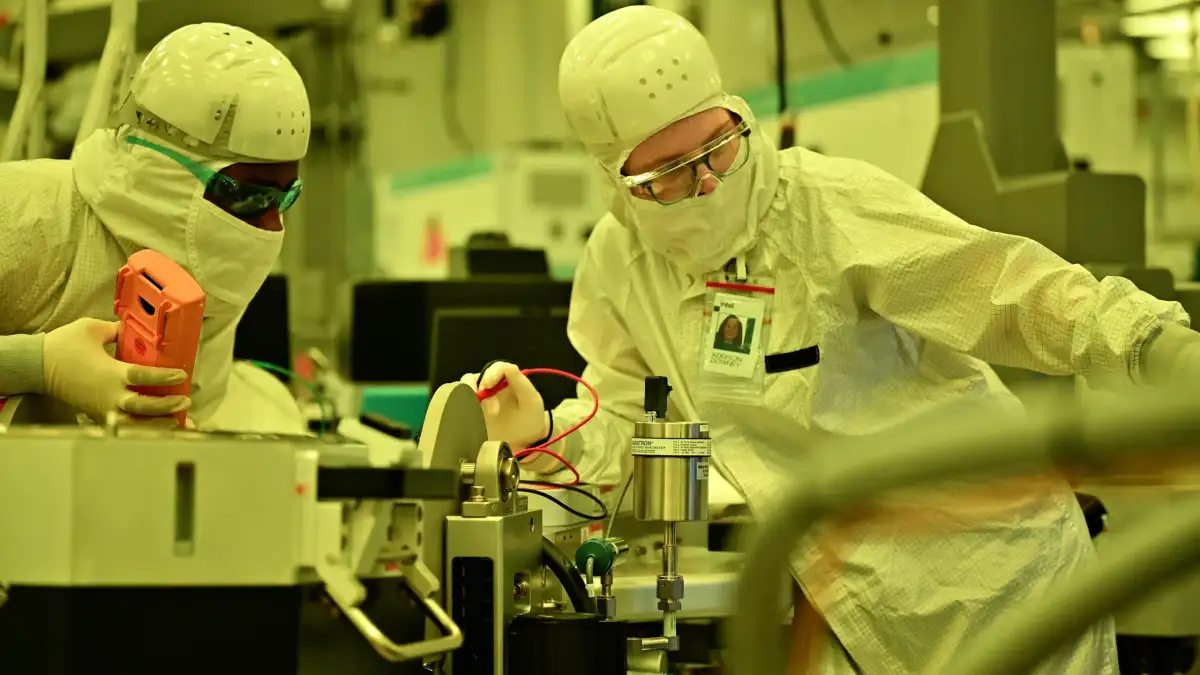
The project's timeline for output has not been disclosed, a pattern consistent with Musk's past pronouncements on ambitious projects, which have sometimes been met with significant delays. This lack of concrete delivery dates, coupled with Tesla's unproven track record in semiconductor fabrication, raises questions about the feasibility and eventual success of such a large-scale manufacturing undertaking.
Read More: BT Adds £13.09 Charge to Landline Bills for UK Customers Starting Next Month
Operational Scope and Ambitions
The long-term vision for Terafab involves supporting 100 to 200 gigawatts of computing power for Earth-based applications and a full terawatt for space operations. This aims to facilitate advancements in Tesla's AI initiatives, including its autonomous driving technology and robotic development, alongside SpaceX's expanding satellite network and potential future space data centers.
Background
Elon Musk, a prominent figure in technology and space exploration, has previously spearheaded ventures like Tesla, SpaceX, and Neuralink, often characterized by ambitious goals and disruptive approaches. The semiconductor industry, a foundational element of modern technology, is currently navigating significant demand surges and supply chain challenges, making any major new entrant or expansion a notable development. The announcement comes amidst ongoing advancements in AI and the increasing reliance on specialized computing hardware.