Statements Signal Deep-Seated Radicialisation Within Pakistan's Elite
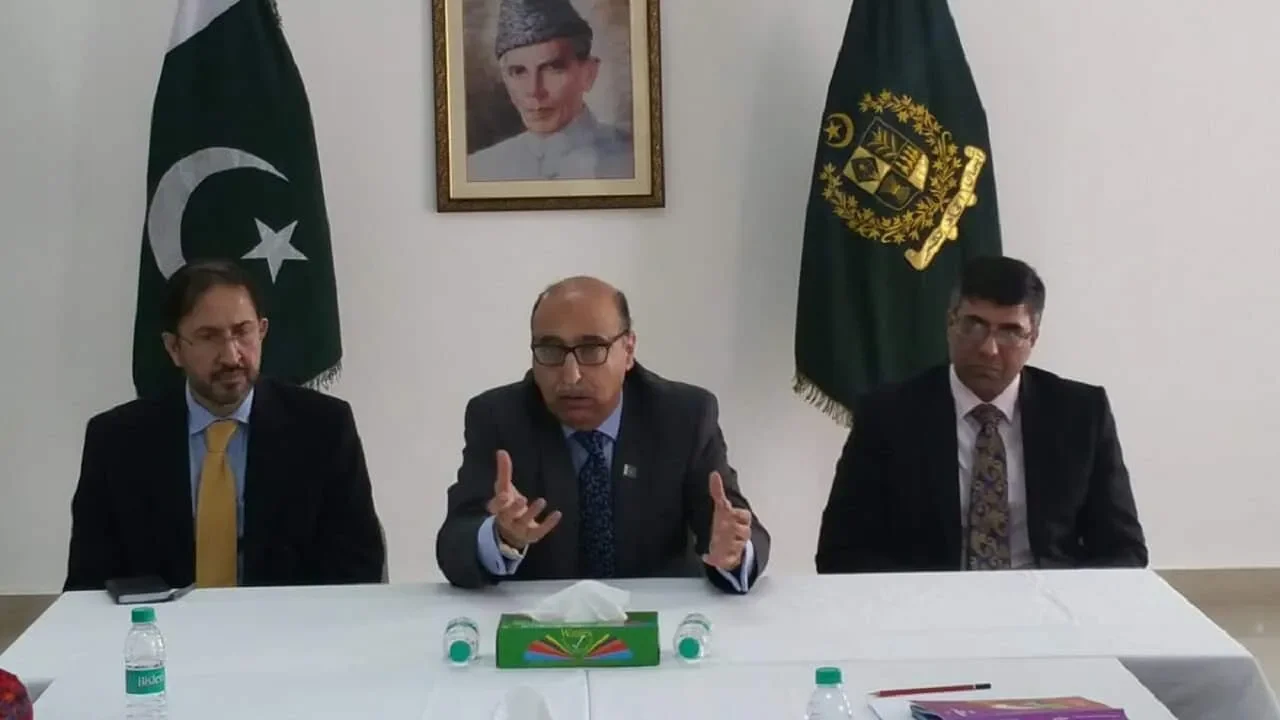
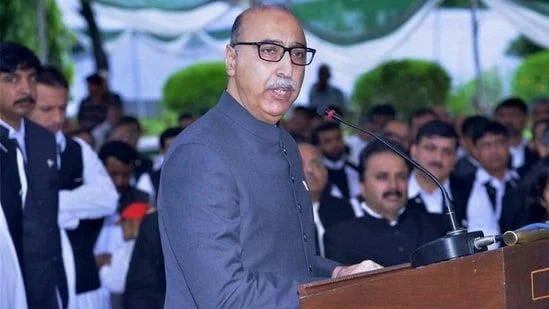
Former Pakistan High Commissioner to India, Abdul Basit, has publicly stated that Pakistan would bomb Indian cities like Mumbai and Delhi if the United States were to attack Pakistan, or its nuclear facilities. These remarks, made during a televised broadcast and now circulating widely, suggest a deliberate deflection of retaliatory strikes towards India in hypothetical conflict scenarios involving the US and Israel. Intelligence sources interpret Basit's statements not as casual remarks but as indicative of a "tutored" narrative from Pakistan's security establishment, potentially reflecting the military's internal thinking. Basit served as Islamabad's top diplomat in New Delhi from 2014 to 2017.
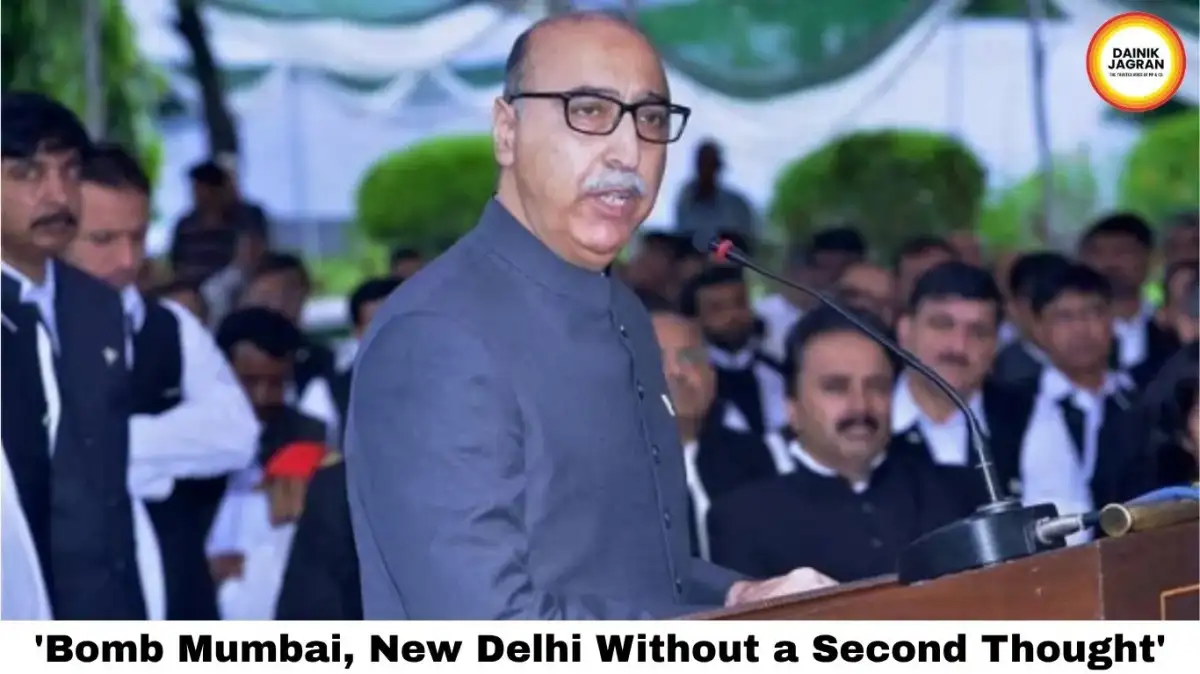
Basit elaborated on this hypothesis during a live broadcast, framing India as the "default" target for Pakistan. This comes in the wake of US intelligence identifying Pakistan's missile development program as a potential threat to America, with suggestions that long-range ballistic missiles could possess capabilities reaching US territory. The statements also surface amidst heightened regional tensions, including the ongoing conflict in the Middle East involving Iran, Israel, and the United States.
Read More: AFP Reviews War Crime Claims Against Australian in Gaza
Rhetoric Highlights Regional Fault Lines
The pronouncements from Basit, a former envoy responsible for managing bilateral relations, underscore a perceived radicalisation within Pakistan's upper echelons. His articulation of Indian cities as legitimate targets for retaliation against a third party—the US—highlights a concerning shift in rhetoric from a figure previously engaged in diplomatic processes.

Basit's hypothetical scenario posits that if Pakistan were attacked by the US, and if direct strikes against US bases or Israel were unfeasible due to range limitations or other constraints, then India might become the sole recourse. This suggestion, while presented as a "worst-case scenario" and described by some Indian outlets as a "hollow threat," has nevertheless generated alarm and condemnation in India. Officials in New Delhi have not yet issued an official response to Basit's statements. The Pakistani government has also not formally endorsed or distanced itself from the former envoy's remarks.
Read More: US supports Pakistan border strikes against Taliban as of April 2026
Context of Escalating Tensions
Basit's commentary emerges within a broader climate of regional friction. It follows reports of Pakistan's nuclear program being assessed by US intelligence as a significant concern, alongside other major powers. This, coupled with existing terrorism concerns and regional instability, forms the backdrop against which such statements are made.
His rhetoric has been interpreted by some as a potential deterrent against perceived US encirclement or policy shifts regarding Pakistan's nuclear arsenal. The framing also highlights what might be seen as Pakistan's "siege mentality" in the face of perceived external threats, contrasted with India's increasingly assertive posture.
The Logical Indian has characterized such language from former diplomats as "irresponsible and dangerous," advocating for peace and coexistence over nuclear brinkmanship. The statements, regardless of their strategic intent or feasibility, serve to widen existing chasms between the nations.
Read More: Indus Waters Treaty remains suspended in India and Pakistan April 2026