

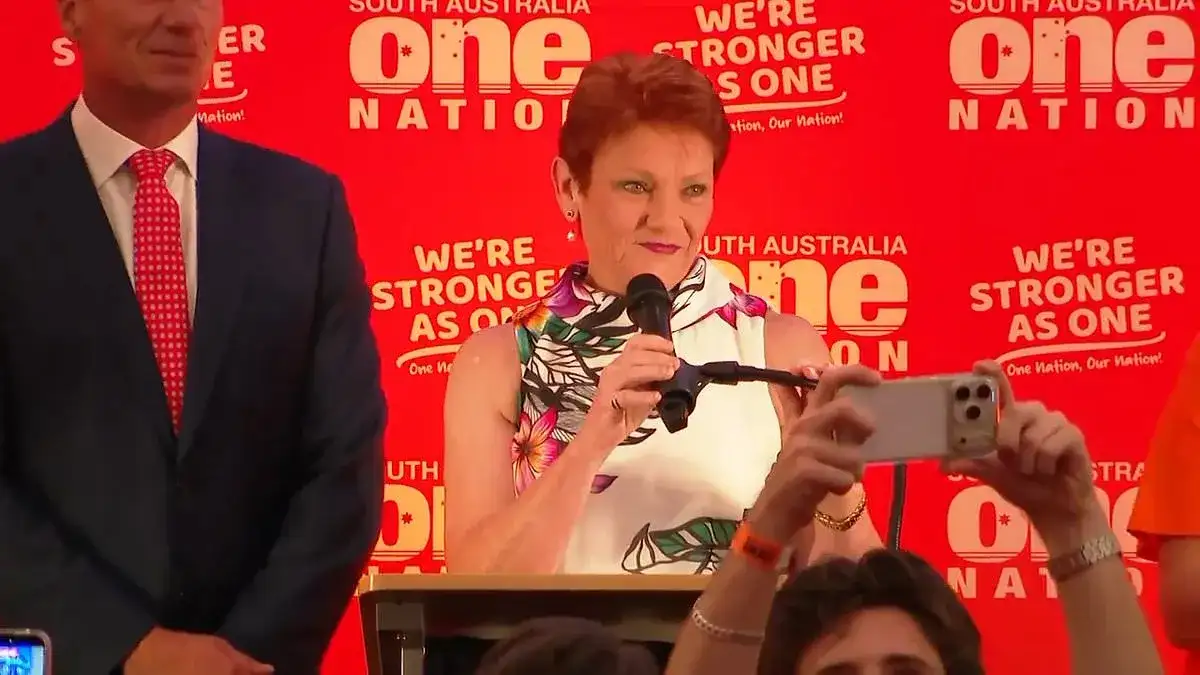
One Nation Surges, Edging Liberals in Key Contests
South Australia's recent state election saw the Labor Party secure a decisive victory, retaining government with a strengthened mandate. However, the most striking development was the significant advance of One Nation, which has emerged as a primary opposition force in numerous Adelaide electorates, surpassing the Liberal Party in many instances on primary votes. This shift redraws the state's political landscape, particularly in metropolitan Adelaide, where Labor increased its dominance. The Liberal Party's support appears to have frayed, especially in regional areas, where the contests have become fiercely multi-candidate affairs.
The election outcome projects Labor to win at least 35 seats in the 47-member House of Assembly, a comfortable majority. Conversely, the Liberal Party's presence in parliament has been substantially reduced, with estimates placing them with four to five seats. One Nation, in this evolving environment, is on track to claim a handful of lower house seats, with some analyses suggesting as many as four. The precise number of seats for each party is still being finalized as preference counts continue, with several contests remaining too close to call definitively.
Read More: Taiwan Holds Nantou County Drills to Prepare for State Collapse

One Nation's rise is particularly pronounced in Adelaide's outer suburbs, where it is increasingly positioned as the main challenger to Labor, a role previously held by the Liberals. This transition suggests a fundamental reorientation of the state's political dynamics, moving beyond traditional two-party contests. While Labor's primary vote remained relatively stable, its preferences are crucial in determining outcomes, often flowing to independents and Liberal candidates ahead of One Nation in some scenarios, though this dynamic is being reshaped by One Nation's growing presence.

Regional Divisions and Liberal Struggles
The narrative in regional South Australia presents a different picture. The Liberal Party's long-standing hold on these seats has been weakening over recent elections, and this trend appears to have continued. Here, One Nation and independent candidates have become significant contenders, creating highly competitive races where preference flows will likely determine the final results. This fragmentation of support in regional areas contributes to the Liberal Party's overall diminished standing.
Read More: Aboriginal Voters Turned Away From SA Polling Stations on Election Day

The Counting Conundrum
The complexity of preference allocation has become a central feature of this election's analysis. In many seats, the Electoral Commission has had to navigate intricate preference flows between Labor and One Nation, as well as One Nation and the Liberals. Early indications from preference counting estimates suggest that One Nation could win seats where it is currently leading on primary votes, even if those are estimated preferences between Labor and One Nation.
Background to the Shift
This electoral outcome arrives against a backdrop of broader national political trends, where minor parties, including One Nation, have seen increased support, signalling a move towards a more complex and less predictable political environment. The South Australian election is being watched nationally as a barometer of these wider shifts. The surge in support for parties like One Nation is interpreted as a reflection of a structural change in Australian politics, with potential implications for national policy debates on issues such as immigration and economic strategy. The outcome challenges established political structures and suggests a parliament where traditional alignments may be less definitive.
Read More: FBI Analysts Review Georgia 2020 Election Data in Fulton County





