Threats of Retaliation Issued Amidst Regional Tensions
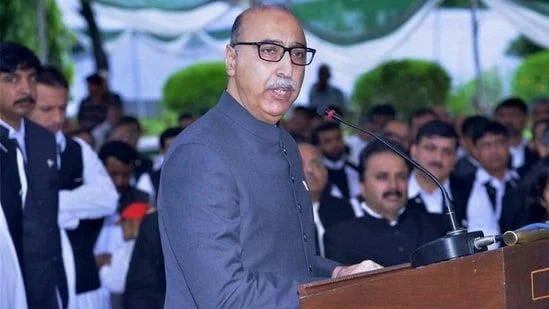
Former Pakistan envoy Abdul Basit has ignited a firestorm of commentary, particularly within India, following statements suggesting Pakistan would target New Delhi and Mumbai if the United States were to attack its territory or its nuclear assets. These remarks, made during a television appearance and subsequently circulated widely, have amplified existing geopolitical anxieties. The core assertion is that in a hypothetical scenario of US aggression, Indian cities would become Pakistan's "default option" for retaliation.
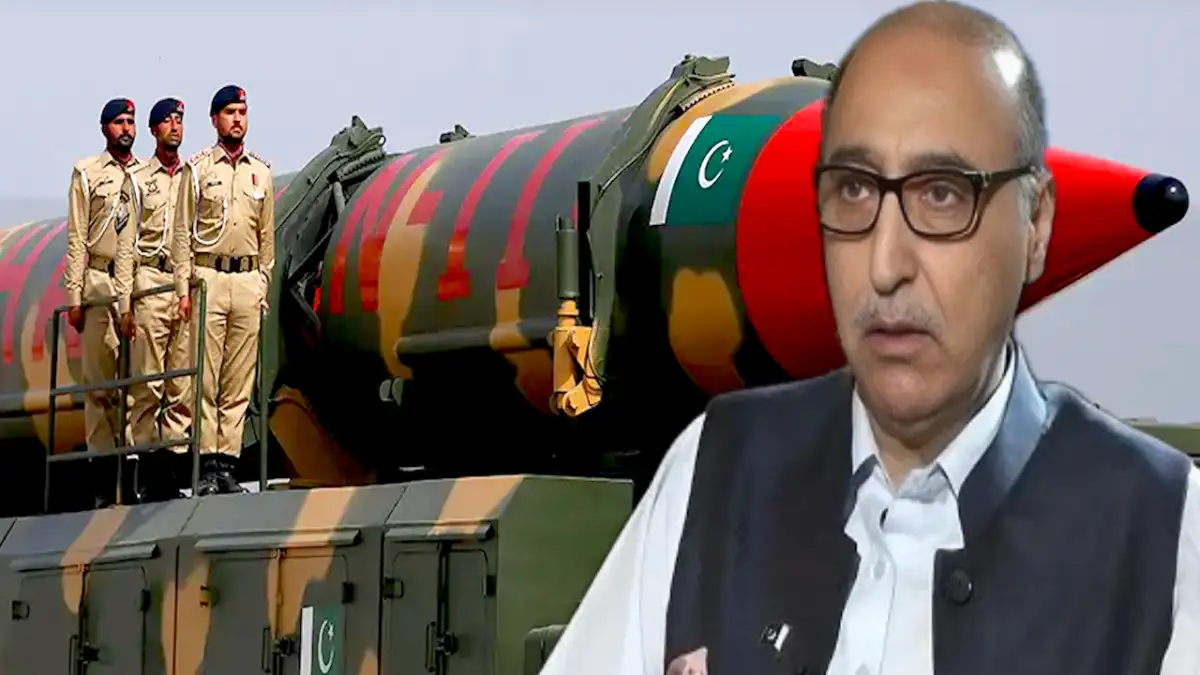
Basit, who served as Pakistan's High Commissioner to India between 2014 and 2017, articulated that if Pakistan were attacked by the US, and unable to retaliate directly against American bases or Israel, then striking Indian cities would be the remaining recourse. This hypothetical situation, while described by Basit as "highly improbable," has nonetheless drawn sharp reactions. The former envoy specifically referenced the possibility of the US targeting Pakistan's nuclear program as a trigger for such a response.
Read More: AFP Reviews War Crime Claims Against Australian in Gaza

Contextualizing the Remarks: US Intelligence and Regional Unrest
These pronouncements emerge against a backdrop of escalating regional tensions and specific intelligence assessments. Reports indicate that United States intelligence has identified Pakistan's missile development program, including potential intercontinental ballistic missiles, as a concern. This assessment was reportedly a response to statements by individuals like Tulsi Gabbard, who highlighted Pakistan's evolving military capabilities as a potential threat to the US. Basit's comments appear to be a direct reaction to this intelligence report, questioning the source of the information regarding American cities being within range of Pakistan's missiles.

Furthermore, the rhetoric surfaces amid ongoing conflict in the Middle East, with Iran reportedly targeting Gulf nations in retaliation for Israeli and US strikes. Adding another layer of regional complexity, Afghan authorities have accused Pakistani forces of airstrikes in areas including Kabul, Kandahar, and Paktika.
Read More: US supports Pakistan border strikes against Taliban as of April 2026

Discourse and Denials: Echoes of Past Tensions
The statements by Abdul Basit have been characterized by many as provocative and irresponsible, particularly given his past diplomatic role in managing India-Pakistan relations. Critics suggest his words reflect a deeper radicalization within Pakistan's elite, possibly echoing sentiments from the country's security establishment. While Basit himself attempted to contextualize his remarks as a hypothetical exploration of "worst-case scenarios," the assertion of Indian cities as a retaliatory target has not been officially repudiated by the Indian government thus far.
However, some sources have framed Basit's threats as "hollow," while others have interpreted them as indicative of Pakistan's missile deterrence being "India-specific." The commentary underscores the fragile state of relations in the subcontinent, where even hypothetical threats can reverberate and contribute to a climate of unease. The discourse surrounding Basit's statements also intersects with discussions around terrorism and regional instability, factors previously cited by US intelligence in its assessment of Pakistan.
Read More: Indus Waters Treaty remains suspended in India and Pakistan April 2026