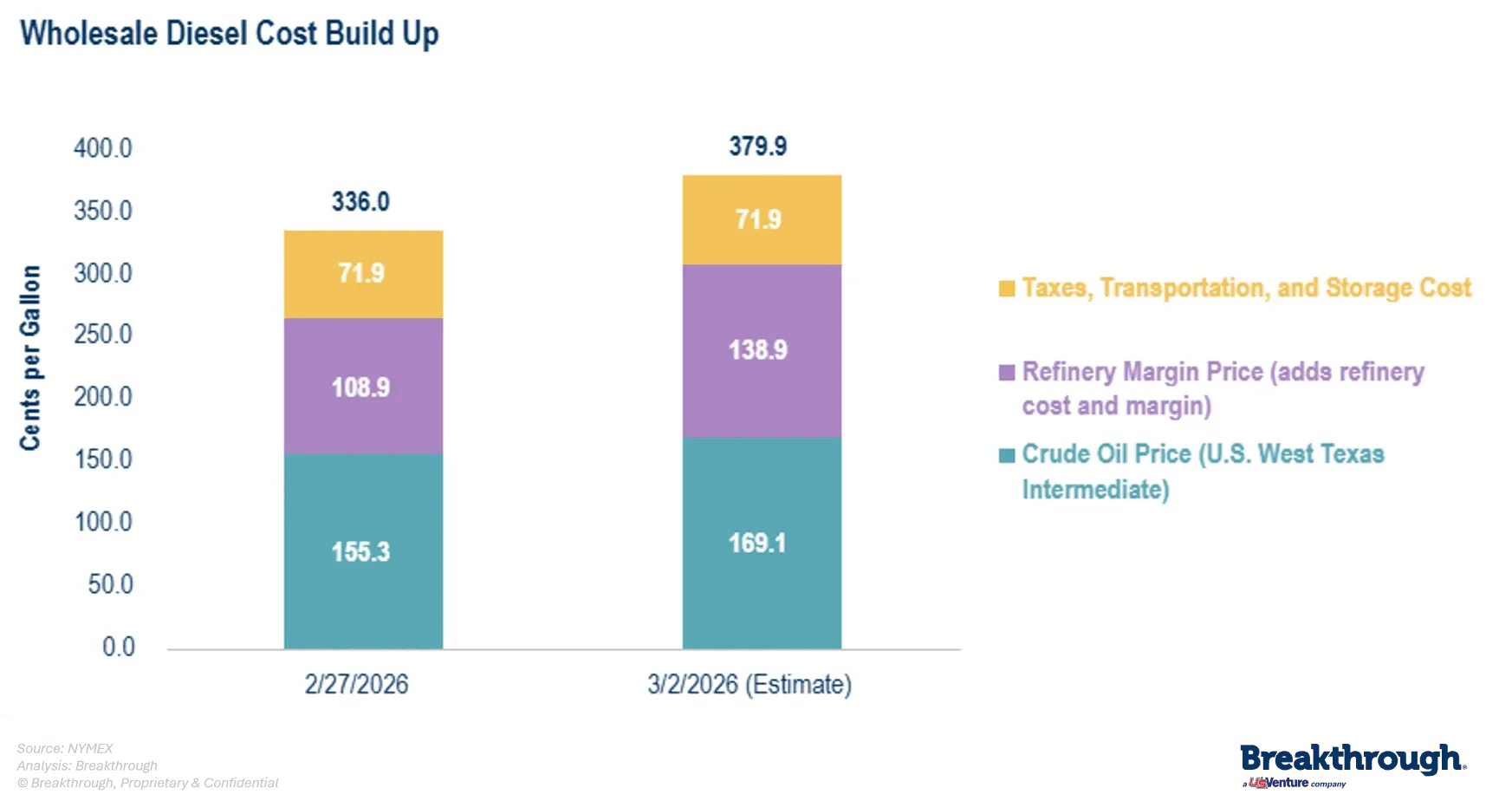
The ongoing conflict in the Middle East is triggering significant disruptions to global oil supplies, anticipated to create the largest shortfall in the history of oil markets. This disruption is expected to exceed the reduction in global demand caused by the war. Western Australia, specifically, is experiencing fallout with reports of panic buying driving up fuel prices, leading some service stations to impose limits on sales. Premier Roger Cook stated the state government is watching the national fuel situation closely for any impacts.
Fuel Supply Chains Strained
The war's effects are extending far beyond the immediate region, disrupting fuel supplies and shipping routes across the Asia-Pacific. This is particularly impacting vulnerable economies, which are facing increased prices, rationing, and potential threats to jobs and food security. Higher fuel costs are directly translating into increased transport, production, and food expenses, with poorer households bearing the brunt of these price hikes. Fuel shortages have already resulted in strict rationing, hindering transportation, businesses, and humanitarian efforts.
Read More: India Approves ₹1 Lakh Crore Fund to Fight Global Economic Shocks
Government Response Amidst Volatility
While fuel prices are soaring, the Western Australian government has ruled out a petrol price cap. Instead, Premier Cook indicated a focus on prioritizing fuel and fertilizer imports through WA's ports and ensuring timely restocking of fuel in regional areas. Some regional towns were reportedly selling fuel at lower prices than Perth.
Global Oil Market Reaction
The International Energy Agency (IEA) projects a substantial slump in global oil output, potentially reaching 8 million barrels per day this year, despite increased production from some countries. The IEA has revised its global oil demand forecast downwards, citing reduced refining activities and air travel. To mitigate concerns over supply, the IEA coordinated the release of 400 million barrels of emergency crude reserves from its 32 member countries, marking the largest such release historically.
The Wider Impact
The conflict's fallout is not confined to fuel prices. Rising energy and fertilizer costs, coupled with currency pressures and financial market volatility, are creating widespread economic strain. The situation in Myanmar, already in crisis, is facing acute additional pressures from these global supply chain disruptions.
Read More: Former Pakistan Envoy Says Pakistan Would Hit India Cities If Attacked