Kyiv faces intensified Russian aerial assaults and stalled diplomatic efforts as international attention pivots to the aftermath of US-Israeli strikes in Iran. This diversion of focus creates an opening for Moscow, with analysts suggesting Russian President Vladimir Putin may exploit the shift to advance his objectives in Ukraine.
Reports indicate a significant increase in Russia's bombardment of Ukrainian cities, with daily drone strikes wounding civilians, including children. Simultaneously, US-brokered peace talks concerning the Russia-Ukraine conflict have been put on hold, exacerbating Ukraine's precarious position.
Ukrainian President Volodymyr Zelenskyy's administration has reportedly sought advanced air defense missiles, underscoring the escalating military pressures. Amidst these challenges, delegations from several Gulf countries have visited Kyiv, engaged in "fact-finding missions," while Zelenskyy has held "telephone consultations" with leaders in the region.

The Specter of an Opening for Putin
The international community's heightened attention towards the consequences of US-Israeli air strikes on Tehran, which resulted in the death of Ayatollah Ali Khamenei, has led to a noticeable decrease in focus on the protracted conflict in Ukraine. This strategic redirection has been met with a palpable sense of unease in Kyiv.
Read More: AFP Reviews War Crime Claims Against Australian in Gaza
"When DC started this war, Putin smiled in the Kremlin. The world is changing."
This sentiment, circulating in reports, captures a broader anxiety that the geopolitical landscape is shifting, potentially to Russia's advantage. The timing of this diversion is particularly sensitive, as analysts posit that a continued economic slowdown in Russia could have previously forced Putin to re-evaluate his war aims. The current international climate, however, offers a different tableau.
Contradictory Claims and Stalled Diplomacy
Both Russia and Ukraine are issuing competing narratives regarding battlefield progress. Ukrainian forces claim to have reclaimed significant territory in the southeastern Dnipropetrovsk region, pushing back Russian troops from over 150 square miles, despite acknowledged battlefield losses.
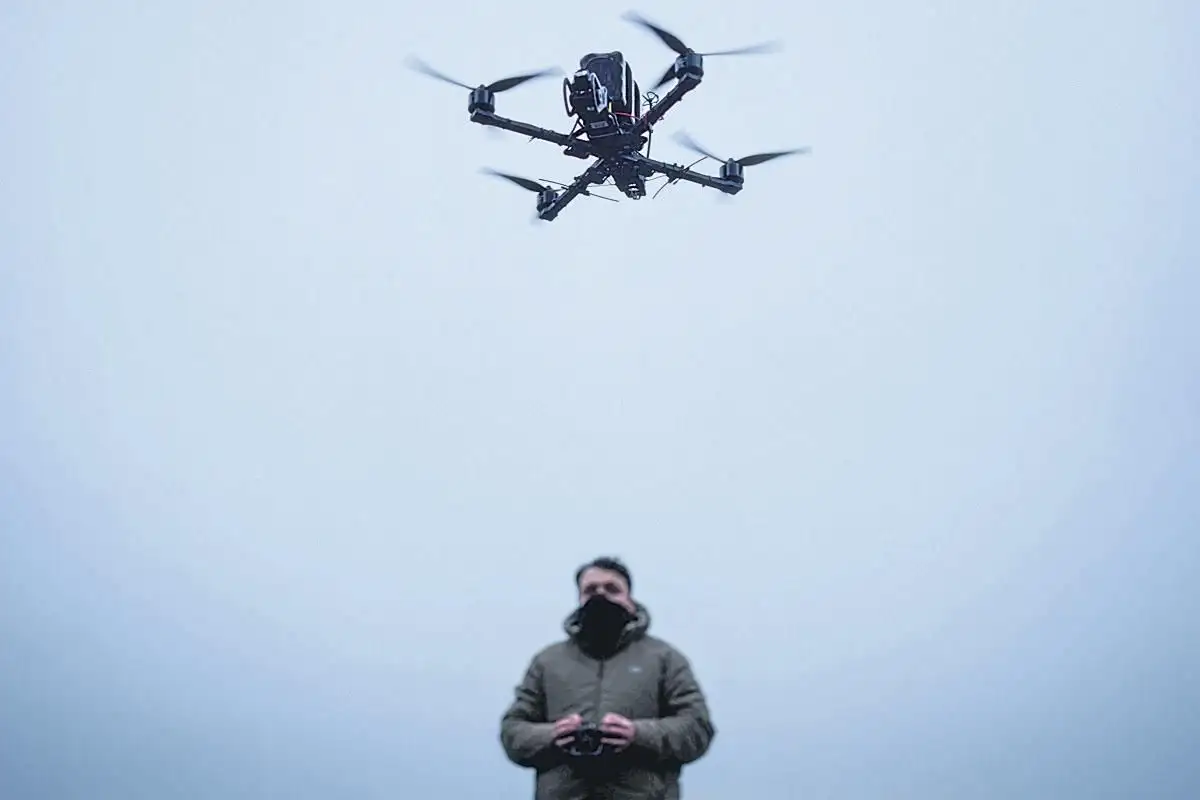
Conversely, Russia persists with its near-daily aerial attacks targeting civilian areas across Ukraine. These strikes have resulted in casualties, including the wounding of at least 17 people, two of them children, in overnight drone attacks on three separate cities.
Read More: Ukraine gets 100 Patriot missiles with $1 billion EU loan for defense
Tehran's Shadow and Kyiv's Mourning
The US-Israeli air strikes in Tehran, resulting in the demise of Ayatollah Ali Khamenei, have precipitated an unusual diplomatic interaction. The Iranian embassy in Kyiv observed several open days for public condolence signings following Khamenei's death. This event has drawn scrutiny, particularly concerning the implications for intelligence sharing, with observations suggesting that "sharing intelligence on US targets does not seem like it fits with their policy as we see it."
The overarching impact of the military actions in Iran on the battlefield and broader geopolitical dynamics concerning the Russia-Ukraine conflict remains uncertain. Nevertheless, the sentiment in Ukraine appears to be that few would lament the passing of the late Ayatollah or the regime he represented.
Background Dynamics
The conflict in Ukraine, now ongoing, has seen shifts in international engagement. The current focus on Iran marks a departure from previous alignments, potentially altering the strategic calculations of various global actors. Economic pressures on Russia have been a recurring theme, with their potential to influence Moscow's wartime strategies. The involvement of Gulf countries in Kyiv suggests a developing interest in regional stability and a possible recalibration of diplomatic overtures.
Read More: Indus Waters Treaty remains suspended in India and Pakistan April 2026