The prospect of transforming human urine into a viable fertilizer looms as a potential answer to mounting agricultural demands and environmental concerns. Experts are examining the practicalities of harvesting and processing this readily available resource.
The core proposition rests on urine’s significant nutrient content.== It is rich in nitrogen, phosphorus, and potassium, elements crucial for plant growth. Redirecting this waste stream could offer a sustainable alternative to conventional, energy-intensive fertilizer production, often reliant on fossil fuels.
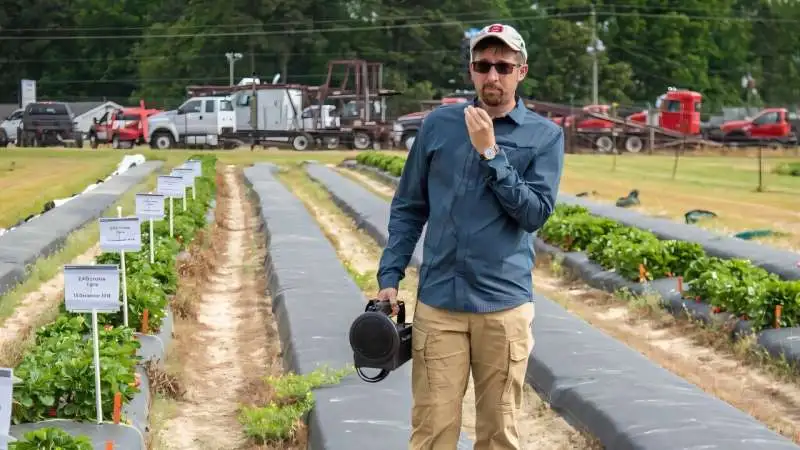
The process, while seemingly straightforward, involves considerable technical and logistical hurdles. Collection systems need to be devised that are both efficient and socially acceptable. Processing aims to neutralize pathogens and stabilize nutrients, making them safe and effective for agricultural use. This is not merely a theoretical exercise; pilot projects are exploring the efficacy and safety of using treated urine-based fertilizers on various crops.
Read More: New Wheat Makes Bigger Starch for Food and Industry
The environmental implications extend beyond just fertilizer production. Reducing the load of nutrient-rich wastewater entering sewage systems could also have a positive impact on water quality. However, questions persist about the long-term ecological effects of introducing such fertilizers into different soil types and ecosystems.
This emerging field faces resistance and skepticism, as well as cautious optimism. The established agricultural industry, accustomed to synthetic alternatives, will require substantial convincing. Public perception, naturally, is another significant barrier. The idea of fertilizing food crops with human waste, even after treatment, carries a strong psychological stigma.
Background Whispers
Early notions of using human waste for soil enrichment are as old as civilization itself. However, modern industrial agriculture largely abandoned such practices with the advent of synthetic fertilizers in the 20th century. This shift, while boosting yields, also ushered in an era of significant environmental consequence, including energy dependence and pollution. The recent focus on sustainability and circular economy principles has resurrected interest in reclaiming value from what was once discarded.
Read More: Amazon Land Use Changes Cause Disease Clusters in Brazil