Tamil Nadu government has issued a year-long extension for a land allocation permit to Indian Rare Earths Limited (IREL), greenlighting further steps for an atomic mineral mining project. The permit, covering 1,144 hectares in the Kanyakumari district, allows IREL to pursue crucial environmental clearances and Coastal Regulation Zone (CRZ) permits.
This extension effectively revives a project previously met with significant public and political opposition, raising concerns about the environmental and socio-economic repercussions for the region.
The decision has drawn sharp condemnation from various political parties and environmental groups. The Communist Party of India (CPI), through its state secretary M. Veerapandian, has denounced the move, stating it imperils Kanyakumari’s coastal environment, groundwater resources, agricultural sector, and the livelihoods of fishermen. The party has formally requested the immediate withdrawal of the Government Order (G.O.) facilitating this extension.
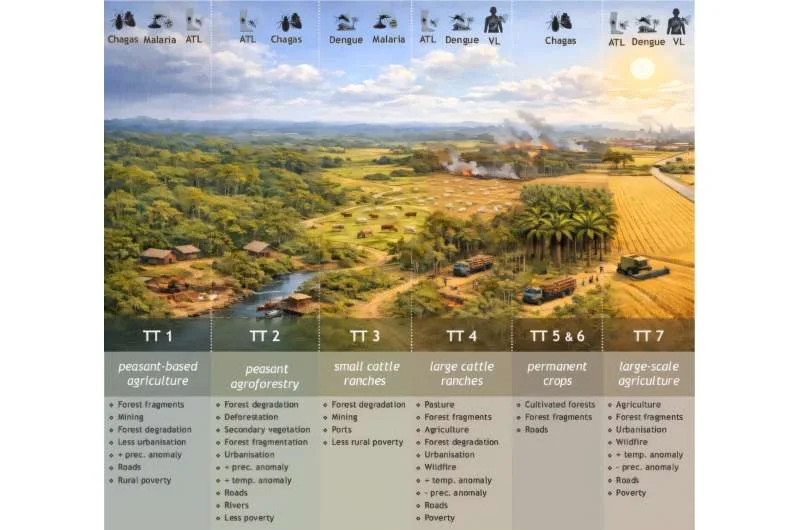
Read More: Amazon Land Use Changes Cause Disease Clusters in Brazil
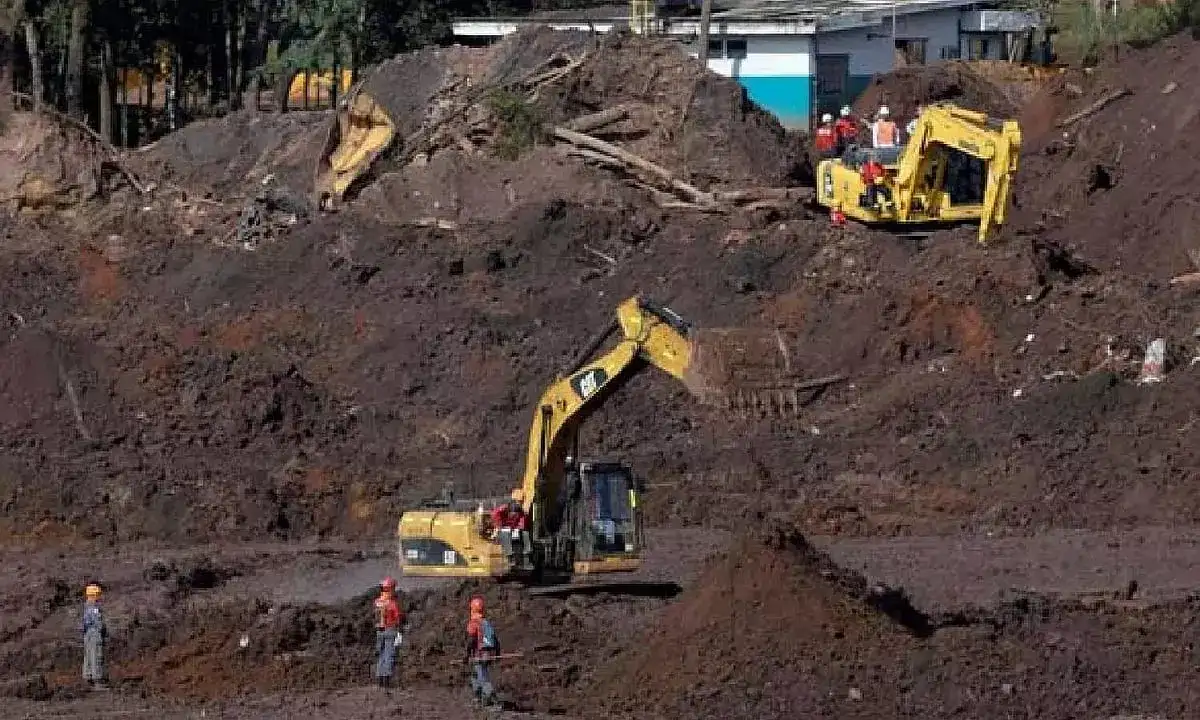
Environmental organization Poovulagin Nanbargal echoed these sentiments, demanding the revocation of the G.O. They highlight that the Mines and Minerals (Development and Regulation) Act (MMDR Act) mandates decisions on such requests within three months, a timeline that appears to have been bypassed. The organization questions the legality and timing of the extension, noting that IREL was supposed to secure all necessary statutory clearances and a mining lease within the original permit's validity.
Further criticism comes from political factions that have previously called for the abandonment of the project. The Tamizhaga Vazhvurimai Katchi (TVK), despite passing resolutions against the mining initiative, now faces accusations of facilitating its approval. This perceived shift has led to public questioning about the approval's origin, with suggestions of either direct Chief Minister knowledge or undue pressure from the Union government. The situation is framed by critics as a "grave betrayal" of the people in the southern districts.
Read More: Tamil Nadu lowers ration delivery age to 60 starting April 2026
The project's re-emergence under this extended permit prompts a broader debate about the balance between resource extraction and the preservation of ecologically sensitive coastal areas and the communities dependent upon them. The core of the controversy lies in the protracted process and the perceived disregard for existing public opposition and environmental safeguards.