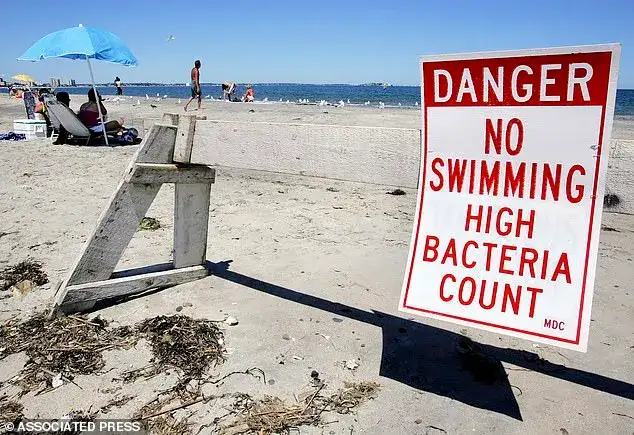
Elevated levels of fecal indicator bacteria have prompted health departments across the United States to issue swimming advisories and closures for dozens of beaches as of the July 4th weekend, 2026. Data from regional health agencies confirm that waters in states including California, New York, Massachusetts, Washington, Michigan, and Illinois have failed to meet safety standards, with some locations recording bacterial counts significantly above acceptable thresholds.
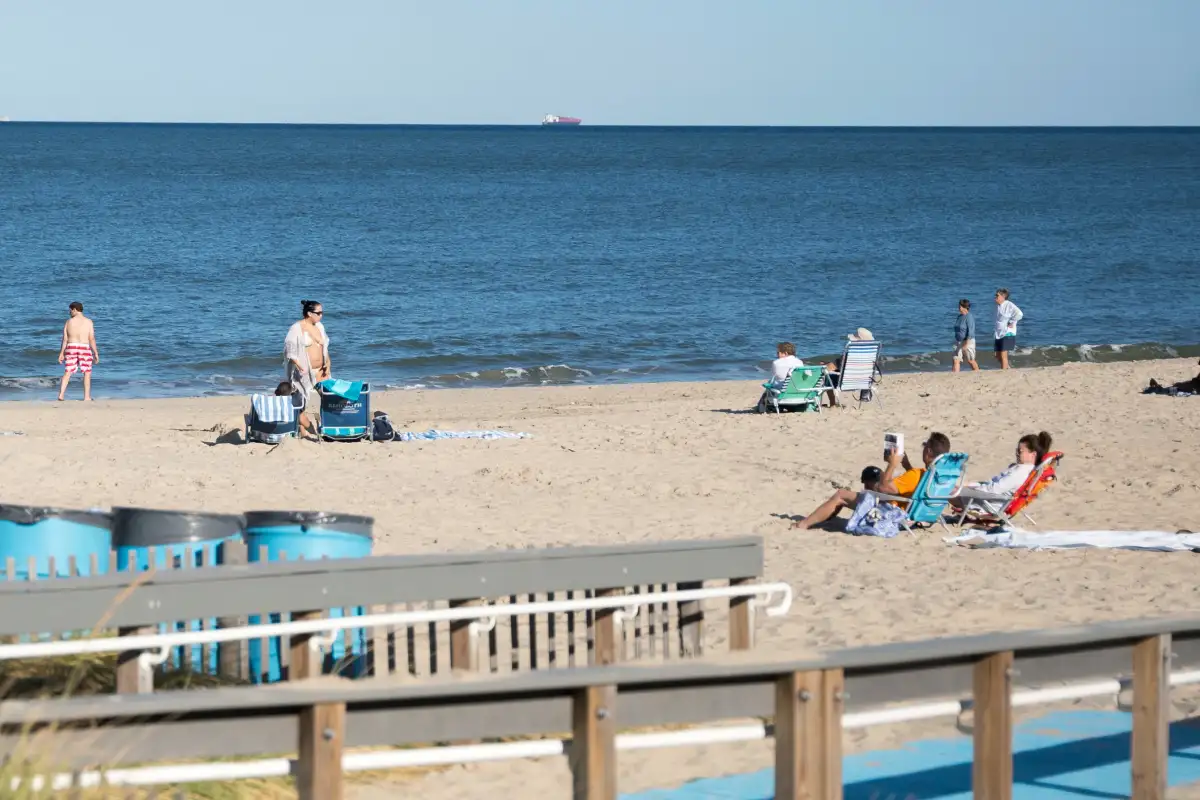
Impacted areas range from urban waterfronts like Douglaston Manor Beach in Queens—which recently reported levels roughly 13 times above city standards—to popular recreational spots in Brick Township, New Jersey, and Los Angeles County.
Authorities advise the public to avoid swimming, surfing, or wading in areas under advisory to prevent risks of gastrointestinal illness and skin irritation.
Closures remain fluid; testing is ongoing, and many sites may revert to "safe" status pending subsequent water quality samples.
Regional Status of Coastal Safety
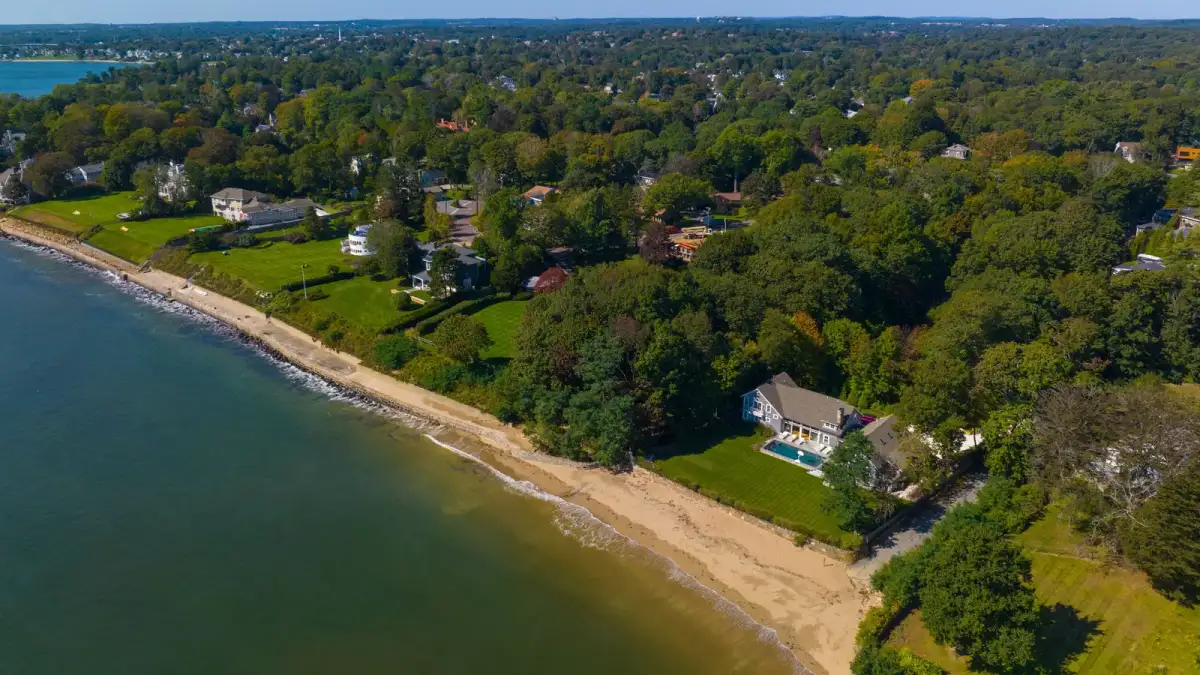
The following table summarizes states where widespread closures or health warnings have been verified due to water quality testing:
| State | Scope of Advisories | Primary Drivers |
|---|---|---|
| New York | Multiple sites in Nassau/Suffolk counties & NYC | Rainfall runoff, sewage overflow |
| Massachusetts | Approximately 20 beaches closed | Environmental contamination |
| California | LA County, Imperial Beach, and others | Urban runoff, storm drain discharge |
| Michigan | Nine beaches closed | Local bacterial surges |
| Washington | Multiple King County locations | Variable, including Vibrio |
Environmental Drivers and Pathogen Migration
While municipal health departments maintain that beach closures are a common procedural response to testing results, experts point to the role of severe weather in exacerbating contamination.
Heavy Rainfall: Significant storm events often trigger the overflow of municipal sewage systems and transport non-point source pollutants, such as animal waste and runoff, into coastal waters.
Vibrio Proliferation: Beyond standard fecal indicators, there is documented concern regarding Vibrio bacteria. Researchers have observed a gradual northern migration of these organisms, which thrive in warming brackish and marine environments.
Contextual Background
The cycle of testing and closing occurs regularly across the American coastline, though the intensity often scales during summer months when recreational usage reaches its peak. Public health frameworks operate on a "test-and-react" basis; when bacterial levels surpass established safety markers, authorities enact bans or advisories until follow-up testing proves a return to safety. For the visitor, the disparity between "open" beaches and "unsafe" water remains a recurring feature of the summer season, underscored by the ongoing tension between aging water infrastructure and volatile climate patterns.
Read More: US Health Experts Stopped Talking to WHO Today, Affecting Global Disease Watch
' Water Quality ' | ' Public Health ' | ' Coastal Infrastructure '