Concerns Rise as Parliament Considers Enfranchising Younger Voters
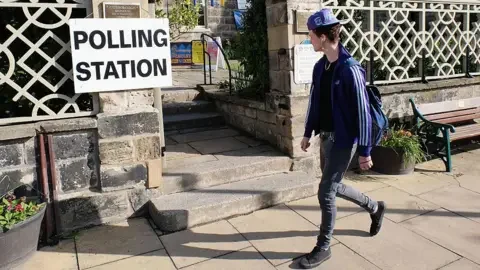
The prospect of granting voting rights to 16 and 17-year-olds has sparked significant discussion and debate across the United Kingdom. A new bill working its way through Parliament aims to allow these younger citizens to vote in the next general election. However, this move faces opposition, with critics questioning the readiness of younger individuals for such a responsibility and suggesting it could alter the political landscape. Supporters argue it will boost youth engagement in democracy, while opponents express fears of political manipulation and a lack of maturity among young voters. The debate also touches upon the uneven application of voting ages for different types of elections across the UK.
Parliamentary Bill Seeks to Expand Franchise
Legislation, known as the Representation of the People Bill, has been introduced in Parliament with the aim of enabling 16 and 17-year-olds to cast their ballots in the upcoming general election. This proposal marks a significant shift, as the voting age for UK Parliament, local elections in England, and all elections in Northern Ireland currently stands at 18. The bill also includes provisions to strengthen regulations concerning political donations and safeguard against foreign interference in elections. The government has stated its belief that lowering the voting age will serve to better engage young people with democratic processes and ensure their perspectives are heard.
Read More: Iowa Podcast Discusses Trump Tax Plan and Joni Ernst's Stance on Iran

Arguments For and Against Enfranchisement
Proponents of lowering the voting age highlight the potential for increased civic participation among young people. Research from countries like Germany, Austria, Argentina, and Brazil suggests that 16 to 18-year-olds can be highly engaged and exhibit turnout rates exceeding those of slightly older age groups. This suggests that enfranchising younger voters could lead to a more representative electorate.
Conversely, opponents raise several concerns. A prominent argument questions the maturity and life experience of 16 and 17-year-olds. Critics point out that at this age, individuals are restricted from activities such as drinking alcohol unsupervised, getting tattoos, or consuming explicit content. Furthermore, there is a view that the educational system might unduly influence younger voters, with some asserting that schools are predisposed to left-wing viewpoints and could indoctrinate rather than foster independent thought. Nigel Farage, leader of Reform UK, has labeled the move an "attempt to rig the political system," suggesting that a significant portion of young people may not even desire the vote and that mandatory schooling until 18 complicates the issue.
Read More: UK wants to keep Russia sanctions as US may change its mind in 2026

Disparities in Voting Rights Across the UK
The current political landscape already presents a degree of variation in voting ages. In Scotland and Wales, 16 and 17-year-olds already have the right to vote in local and devolved parliamentary elections. This bill aims to create a more uniform voting age across the UK for general elections, essentially equalizing the rights of these younger individuals throughout the country. Some analyses suggest that this broad extension of the franchise is unlikely to cause substantial direct shifts in election results, though it represents a significant equalization of rights.
Historical Context and Opposition Tactics
Past efforts to register young voters have encountered obstacles. Reports indicate that during certain periods, parents were prevented from registering young people at home, and students' ability to vote depended heavily on their personal initiative to register, often during times of personal upheaval and frequent address changes. Concerns have also been raised about past governmental actions, such as when David Cameron's government reportedly hindered colleges and universities from automatically registering students. The perceived political advantage for certain parties, like Labour, in gaining the youth vote is also a noted factor in the ongoing debate.
Read More: BRS Leader Asks Union Minister to Probe Chief Minister Over ₹2,500 Crore Contracts

Expert Perspectives on Youth Engagement
Analysis suggests that enfranchising 16 and 17-year-olds could indeed bring a shift in the political balance, potentially favoring parties that appeal to younger demographics. Some analyses suggest that while not an extension of the franchise per se, it is an equalization of rights across the UK for this age group. The argument that younger voters may be more easily swayed due to less established life experiences and potentially a more receptive educational environment is a point of contention, with some researchers indicating high engagement and turnout among this demographic in other nations.
Conclusion and Next Steps
The Representation of the People Bill is currently progressing through Parliament, proposing to lower the voting age to 16 for general elections. This initiative is met with both enthusiastic support for increased youth democracy and strong opposition concerned about maturity and potential political manipulation. The bill also aims to standardize voting age regulations across the UK and bolster election security. The journey of this bill through Parliament will be closely watched, as it has the potential to redefine the electorate and the political engagement of a younger generation.
Read More: Sussexes UK return plans face public and security questions in 2024
Sources
The Guardian: Published 9 minutes ago. Discusses the political advantages for Labour and the country if 16-year-olds can vote, referencing past barriers to youth registration.https://www.theguardian.com/commentisfree/2026/feb/13/votes-to-16-year-olds-young-people-labour-uk-nigel-farage
BBC News: Published 2 days ago. Reports on the introduction of the bill to lower the voting age to 16 for general elections, noting it's a step in Parliament's process and mentions stricter rules on donations and foreign interference.https://www.bbc.com/news/articles/cly2jjvx466o
Electoral Reform Society: Published 1 day ago. Provides a briefing on votes at 16, stating it's unlikely to have a direct impact on electoral outcomes and emphasizes equalizing rights across the UK.https://electoral-reform.org.uk/latest-news-and-research/parliamentary-briefings/briefing-on-votes-at-16-2026/
Fox News: Published Jul 17, 2025. Details the UK government's plan to lower the voting age, highlighting Conservative opposition and concerns about educational bias and political manipulation, while also noting existing voting rights for 16- and 17-year-olds in Scotland and Wales.https://www.foxnews.com/world/uk-government-lower-voting-age-16-before-next-national-election-despite-conservative-opposition
Academy of Ideas: Published 2 days ago. Explores the question of whether 16-year-olds should have the vote, presenting arguments from both sides and referencing international examples of youth voter engagement and political successes among young people for right-wing parties.https://academyofideas.org.uk/2026/02/11/should-16-year-olds-have-the-vote/