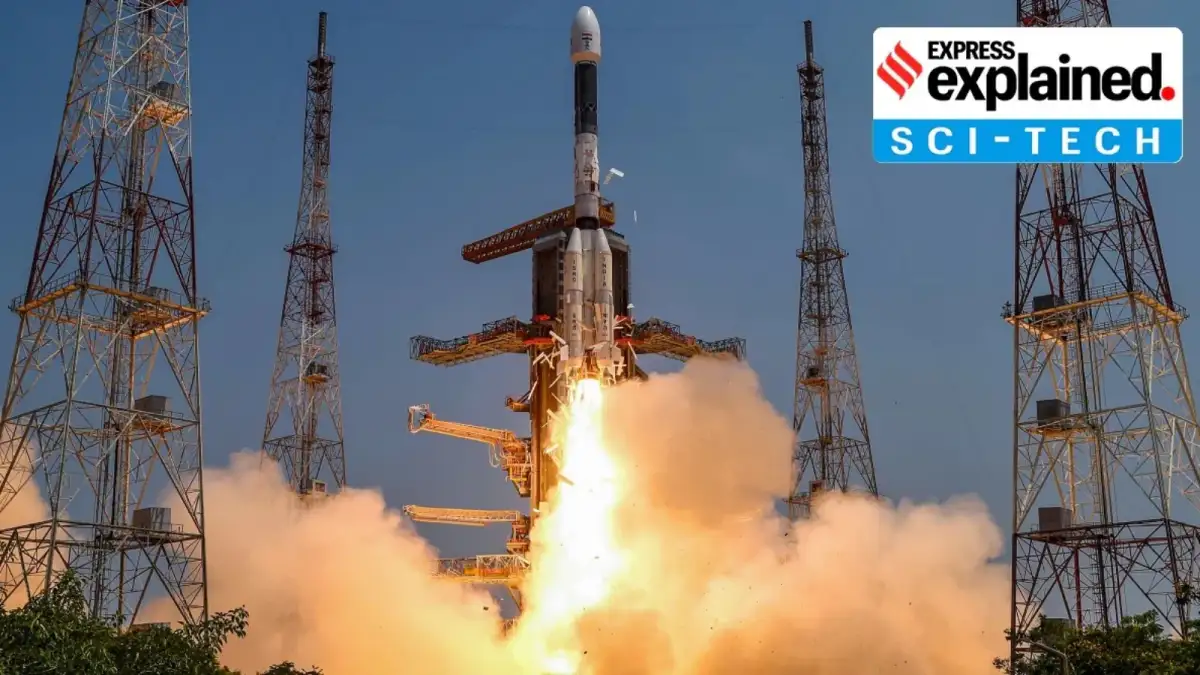
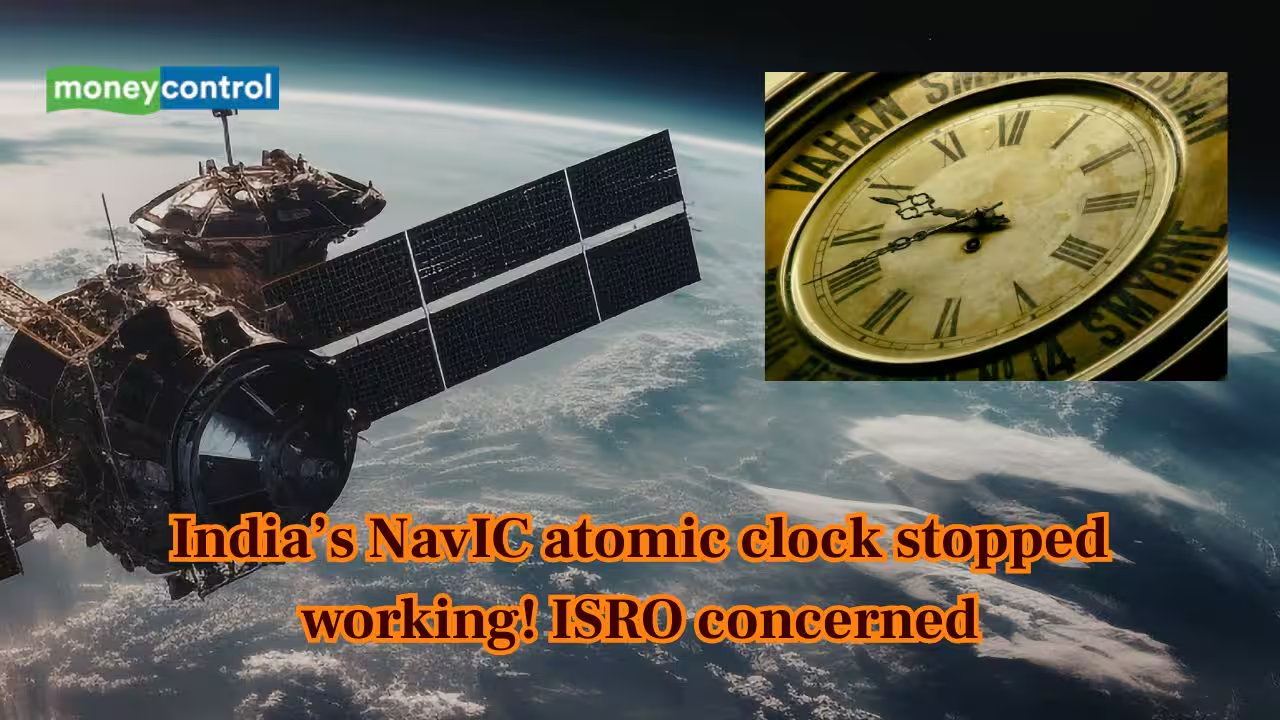
The critical atomic clock aboard ISRO's satellite IRNSS-1F has ceased functioning, a development that severely hampers India’s indigenous navigation system, NavIC. This failure reduces the number of operational satellites to just three, falling below the minimum threshold of four required for accurate positional, navigational, and timing (PNT) services.
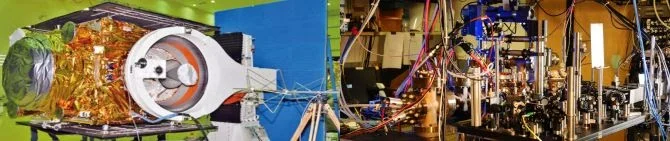
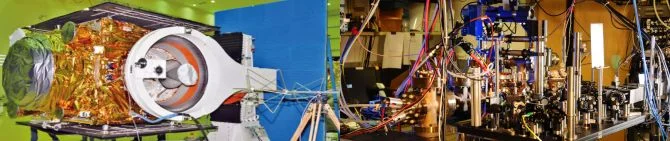
This situation places NavIC in a precarious state, undermining its capacity to serve as a reliable alternative to external systems like the U.S. Global Positioning System (GPS). The problem is not entirely new; atomic clocks on earlier NavIC satellites have experienced failures, prompting ISRO to develop its own, more advanced Rubidium atomic clocks for the newer generation of satellites. However, the recent failure on IRNSS-1F, which had completed a decade of service, highlights ongoing challenges with the system's core components.
Read More: Atlassian Cuts Jobs in Sydney Due to Company Restructuring
Constellation Weakened
With IRNSS-1F now offline, the NavIC constellation is left with a drastically reduced operational capacity. The remaining functional satellites providing PNT services are reported to be IRNSS-1B, IRNSS-1L, and the NVS-01 satellite. Reports indicate that previously, only four out of eleven deployed satellites were fully functional for PNT services.
Rebuilding and Future Prospects
The failure underscores an urgent need for ISRO to expedite the deployment of replacement satellites to restore NavIC's operational strength. The agency has planned for newer generation satellites with an extended mission life of 12 years, a step up from the 10-year lifespan of previous models, presumably to mitigate such eventualities.
NavIC's Purpose and Context
NavIC, or Navigation with Indian Constellation, was conceived as India’s independent, regional satellite navigation system, originally known as the Indian Regional Navigation Satellite System (IRNSS). It aims to provide crucial PNT services to civilian users and defense agencies, enhancing India's strategic autonomy in a domain heavily reliant on external infrastructure. The estimated cost of the NavIC project is around Rs 2,250 crore. Unlike GPS satellites which are in constant motion relative to Earth, NavIC satellites are positioned in higher orbits, intended to maintain constant visibility over the Indian subcontinent.
Read More: India Child Health Warning 2024: Poor Diets Cause Adult Diseases in 2 in 3 Kids