

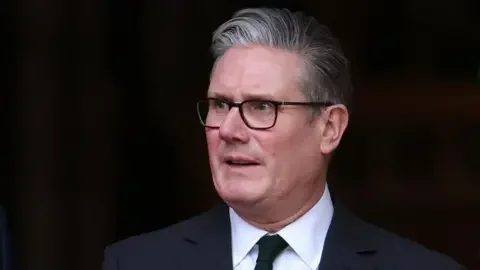
Questions persist regarding Prime Minister Sir Keir Starmer's handling of the appointment and subsequent removal of Lord Mandelson as UK ambassador to the US, amid revelations of prior warnings about his association with Jeffrey Epstein
The unfolding saga surrounding Lord Mandelson's brief tenure as ambassador to the United States has escalated, with new information surfacing that indicates Sir Keir Starmer was cautioned about the reputational risks associated with the peer's relationship with convicted sex offender Jeffrey Epstein prior to the appointment. This development fuels ongoing scrutiny of the Prime Minister's judgment and the vetting processes employed by Downing Street.

Lord Mandelson was ultimately sacked from his ambassadorial post, a decision that followed his arrest on suspicion of misconduct in public office related to allegations of passing market-sensitive government information to Epstein. While his bail conditions were reportedly lifted recently, the shadow of these allegations continues to loom large. The Prime Minister himself has expressed anger over the situation, suggesting he was unaware of the "detailed allegations" prior to a public defense of Mandelson, a defense he later retracted. This rapid pivot from defense to dismissal has drawn particular attention, raising further queries about the timeline of information acquisition and decision-making within Number 10.
Read More: KSU Leaders Get Bail After Kannur Protest; Court Questions Evidence Against Minister George
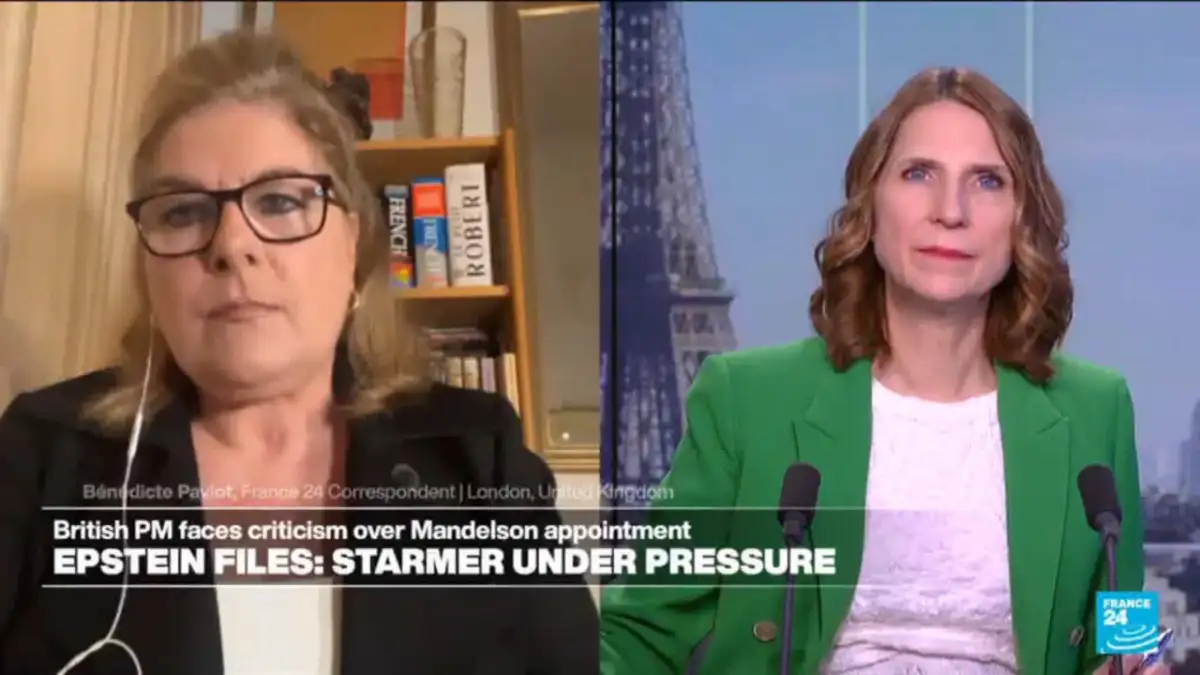
The controversy has led to demands for the release of all relevant documents, including vetting papers and communications concerning Mandelson's appointment, as political opponents seek greater transparency and accountability. Critics, such as Conservative Party leader Kemi Badenoch, have voiced skepticism about the vetting procedures, suggesting that the expected documentation from Sir Keir's office to explain the rationale behind the appointment should have been available.

The initial appointment itself, made on January 30th of the previous year, was confirmed following Mandelson's developed vetting clearance. However, his links to Epstein, a disgraced billionaire financier with a history of sex offenses, immediately raised concerns and, ultimately, proved to be his undoing. The situation is further complicated by the timing, with the fallout occurring shortly before a state visit by US President Donald Trump, who has also faced his own scrutiny related to Epstein.
Read More: UK Faces 70mph Winds Today, Snow Possible Friday
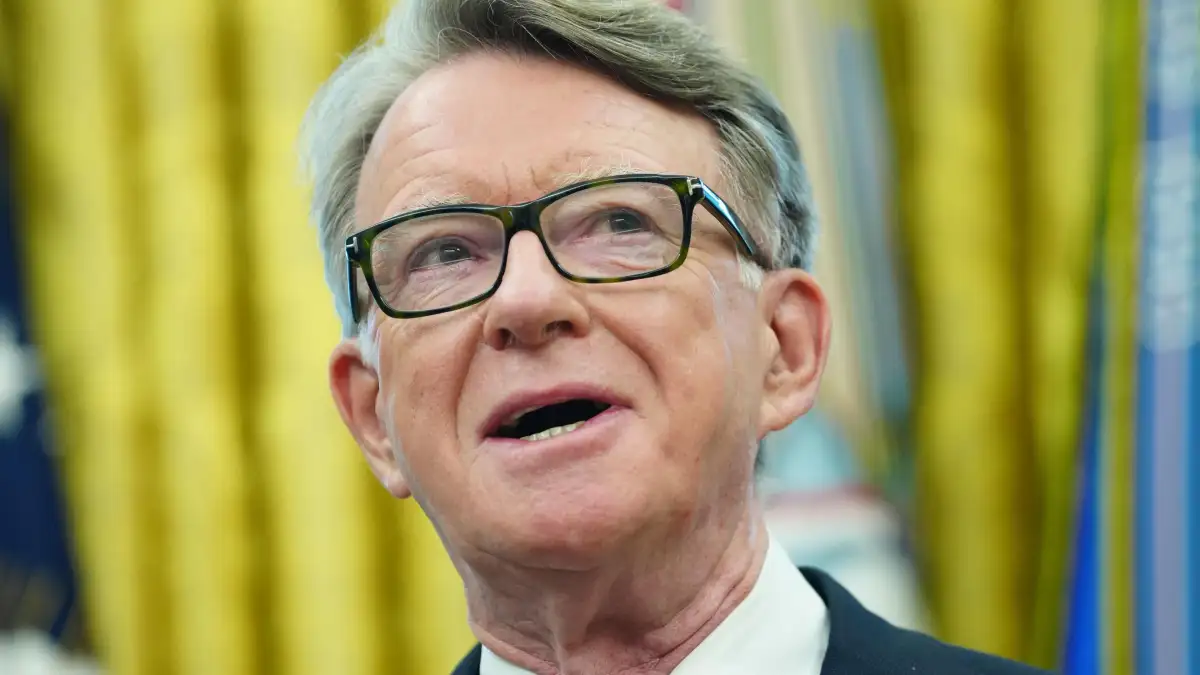
Background: A Risky Nomination
The decision to nominate Lord Mandelson, a figure once described as Labour's "political fixer," for such a prominent international role was, in retrospect, a high-stakes gamble. Reports indicate that warnings about the "reputational risk" stemming from his connection to Epstein were indeed present, suggesting that the potential for controversy was known within government circles. The subsequent uncovering of these warnings adds another layer of complexity to the narrative, moving beyond a simple oversight to a potentially deliberate decision to proceed despite known risks. The full ramifications of this diplomatic misstep continue to unfold, impacting not only the Prime Minister's standing but also raising broader questions about the thoroughness and transparency of senior appointments within the government.
Read More: Swinney Asks UK Govt About US Military Flights Through Prestwick Airport