


CALIFORNIA VOTERS SIGNAL DISCONTENT WITH INDUSTRY'S INFLUENCE
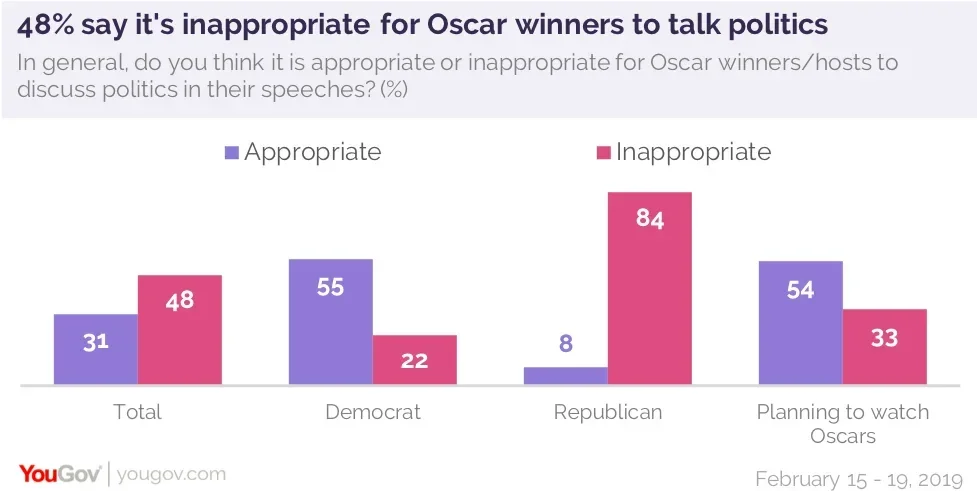
A significant portion of Californians believe the entertainment industry wields excessive political sway, with many advocating for a more muted public stance from actors and directors on political matters. A poll indicates that 48% of surveyed voters feel Hollywood has "too much influence on politics." Furthermore, nearly half of those polled suggested that prominent figures in film and television should temper their political pronouncements. The sentiment extends to cultural impact, as a plurality of voters view Hollywood's contribution to American culture negatively.

The approaching Academy Awards ceremony finds the event navigating a complex landscape, where the industry's prominent voices are increasingly scrutinized for their political engagement. Host Conan O'Brien has indicated an intention to address current realities but plans to proceed with caution, aiming to balance entertainment with a nod to the times.
Read More: US visa limits for Rwandan officials after military sanctions

DEBATES OVER OSCARS' POLITICAL CONTENTION
The perception of the Oscars as overly political is not new, sparking ongoing debate. While some argue that the awards show has always featured moments of political commentary, others suggest a rise in such instances correlates with declining viewership over the past two decades. The inclusion of films tackling issues of race, LGBTQ identity, and political controversy in nominations further fuels these discussions.
"Unless, of course, you consider thanking God to be political."
This framing suggests a historical tendency for political undertones in acceptance speeches or film themes, with the question being one of degree and reception rather than outright absence. The discussion points to a long-standing tension between artistic expression and public political engagement within the context of the awards.
PUBLIC TRUST AND ENTERTAINMENT'S ROLE
Despite concerns about politics, a portion of the public still expresses trust in established film awards, with exactly half of survey takers favoring the Academy Awards over other high-profile movie accolades. This suggests a divided public opinion, where appreciation for cinematic achievement coexists with weariness over perceived political agendas. The notion of entertainment itself serving as a unifying force, offering an "illusion that everyone could be an insider," is presented as a counterpoint to political divisiveness.
Read More: Oscars Always Political, Not Just Now, Old Films Show
"The movie business may be exclusive, biased, and brutal, but this year’s Oscars — which, for once, were not in a hurry and hardly played anyone off — spun out the illusion that everyone could be an insider, all of us in it together, even those of us watching at home."
HISTORICAL CONTEXT AND CULTURAL REVERBERATIONS
The Oscars' relationship with politics stretches back decades. In some years, the discourse surrounding the awards has been inseparable from broader societal and political climates, with films often reflecting or commenting on prevailing national narratives.
"Everything is a referendum on identity in the age of Trump. Now is a moment when we might see clearer than ever that a progressive political attitude itself doesn’t always mean much."
This highlights how cultural events, including the Oscars, can become focal points for discussions on identity and political alignment, sometimes overshadowing purely artistic merit. The influence of powerful industry figures and the economics of film campaigns have also been noted as factors shaping the awards' trajectory.
The perception of Hollywood's political leanings, particularly its vocal stances, remains a persistent undercurrent in public discourse surrounding major entertainment events like the Oscars.


