Global Weather Patterns Poised for Disruption
Scientists are sounding alarms about a "very strong" El Niño event on the horizon. This recurring climate pattern, marked by the unusual warming of Pacific Ocean surface temperatures, is expected to trigger a cascade of significant shifts in global weather systems. The imminent arrival of this powerful El Niño event signifies a period of profound climatic instability, with widespread consequences for weather patterns across the globe. Experts emphasize that the intensity of this particular El Niño is a cause for considerable concern.
El Niño's influence extends far beyond its oceanic origins. Historically, strong El Niño years have been associated with:
Altered rainfall patterns: Expect intensified droughts in some regions and increased flooding in others. Areas like Australia and Indonesia often face severe dry spells, while parts of South America might experience torrential downpours.
Temperature fluctuations: Many parts of the world are likely to see higher average temperatures. This can exacerbate heatwaves and impact ecosystems.
Increased extreme weather events: The pattern is linked to a greater frequency and intensity of storms, including tropical cyclones in some basins, and changes in the jet stream's behavior.
A Closer Look at El Niño's Mechanism
El Niño, a Spanish term meaning "the boy child," refers to the irregular but recurring pattern of warming in the central and eastern equatorial Pacific Ocean. This warming disrupts the normal flow of atmospheric currents, leading to the far-reaching climatic anomalies observed worldwide.
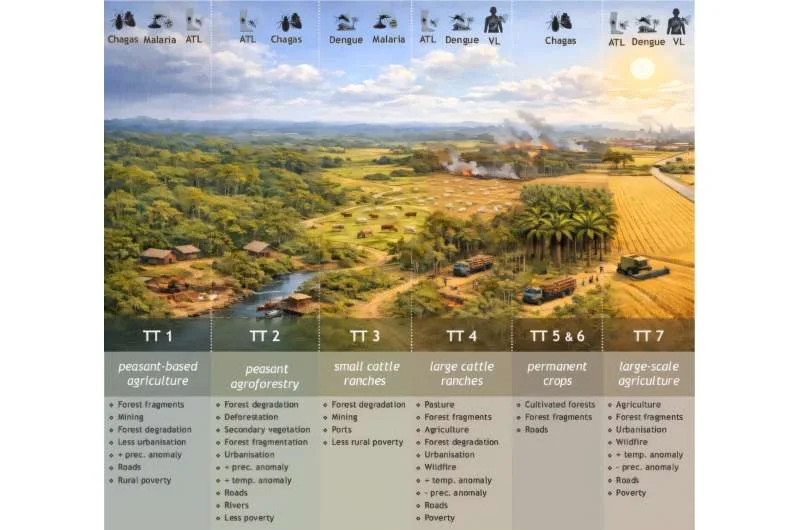
Read More: Amazon Land Use Changes Cause Disease Clusters in Brazil
Normally, trade winds push warm surface water from east to west across the Pacific. During El Niño, these winds weaken or even reverse, allowing warmer water to accumulate in the central and eastern Pacific. This shift in ocean temperature has profound implications for the atmosphere above it, altering weather patterns across continents. The current indications suggest a potent manifestation of this phenomenon, prompting urgent attention from climate observers and policymakers alike.