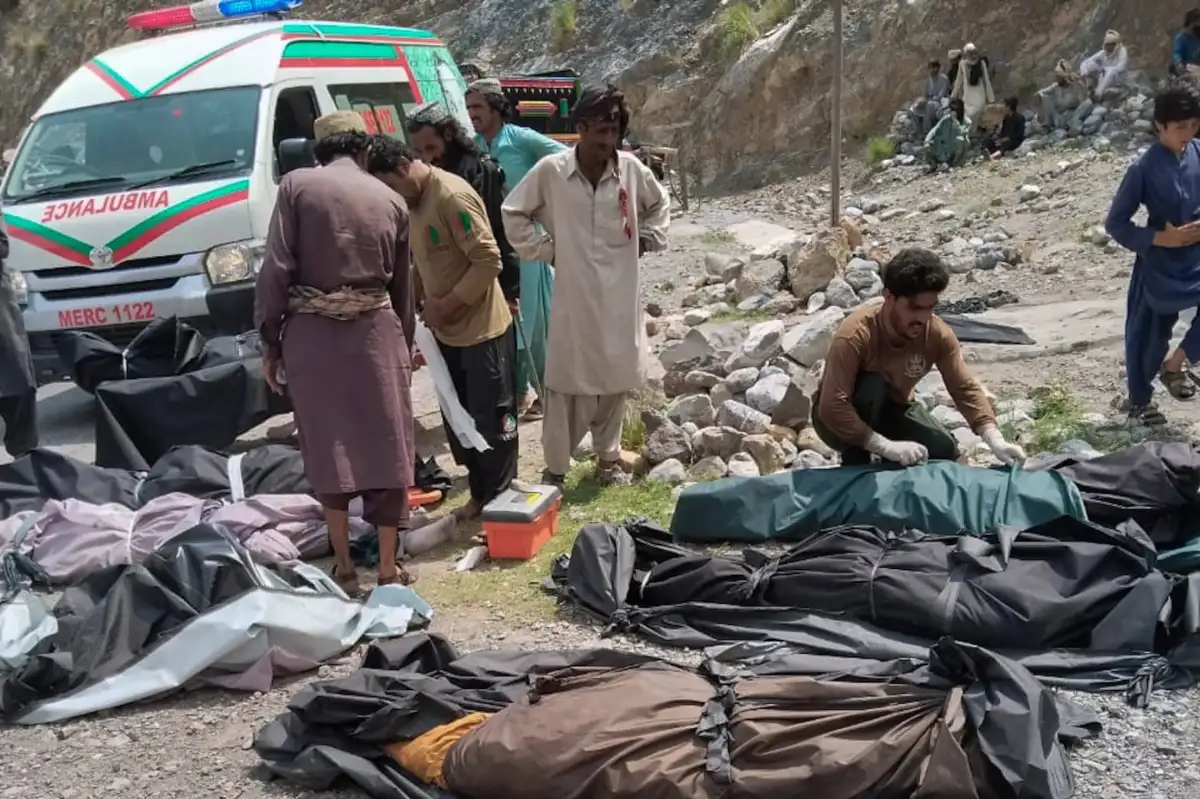
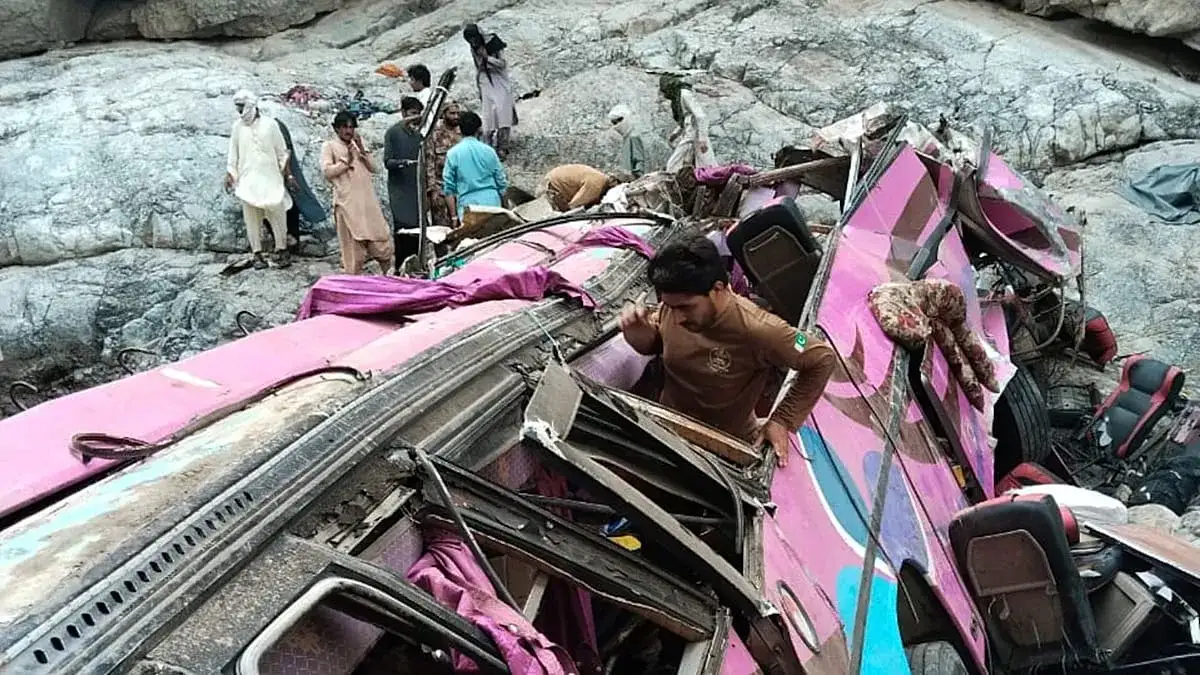
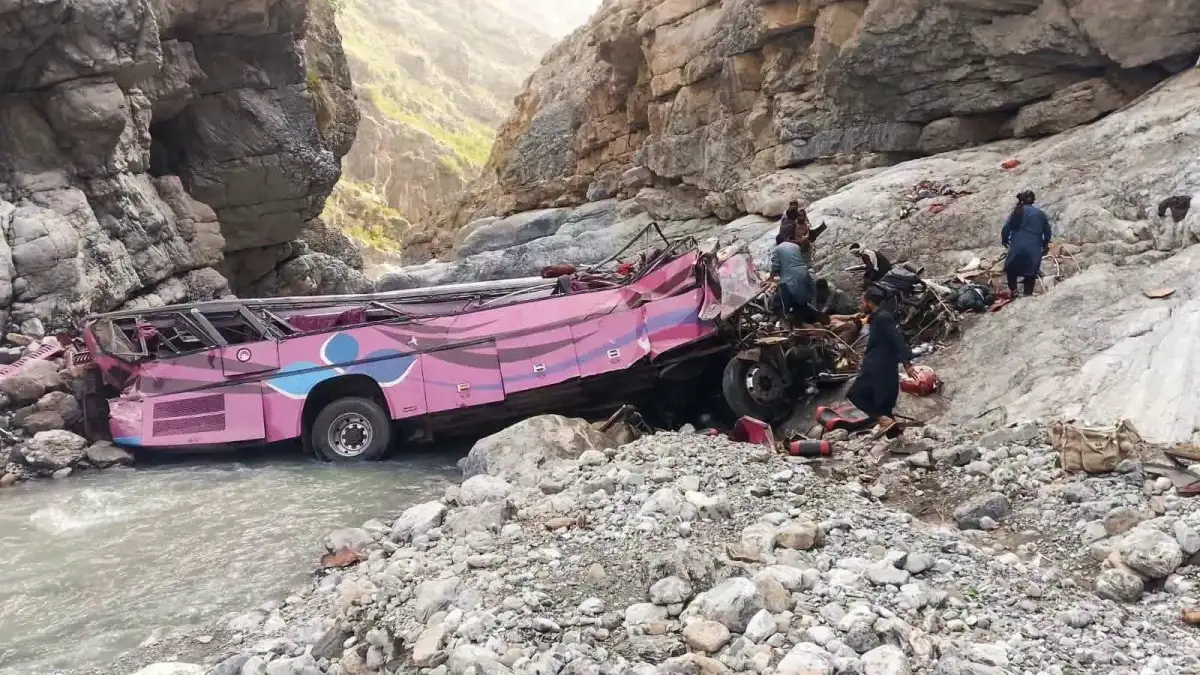
Early Friday, an overcrowded bus traveling from Quetta to Peshawar veered off a highway and plunged into a rocky ravine in the Dana Sar mountain range. Officials confirm that 40 people were killed in the incident, which occurred at the border of Balochistan and Khyber Pakhtunkhwa provinces.
Core Facts of the Incident| Detail | Status || :—- | :—- || Fatalities | 40 || Injuries | 8 to 11 reported || Total Passengers | 48 || Primary Cause | Speeding and vehicle overcrowding |

The vehicle was operating at a capacity that included passengers taken on from a second bus that had previously suffered a mechanical failure. Local officials noted the complexity of the rescue operation, as the rugged, mountainous terrain of Dana Sar hindered emergency access.

"The bus was carrying not only its own passengers but also those from another bus that had broken down, leaving the vehicle overcrowded," stated Shahid Rind, a spokesperson for the Balochistan chief minister.
Structural Failures and Safety Standards
The crash is symptomatic of broader, systemic issues regarding road safety in the region. Analysts often point to the following factors contributing to such frequent disasters:
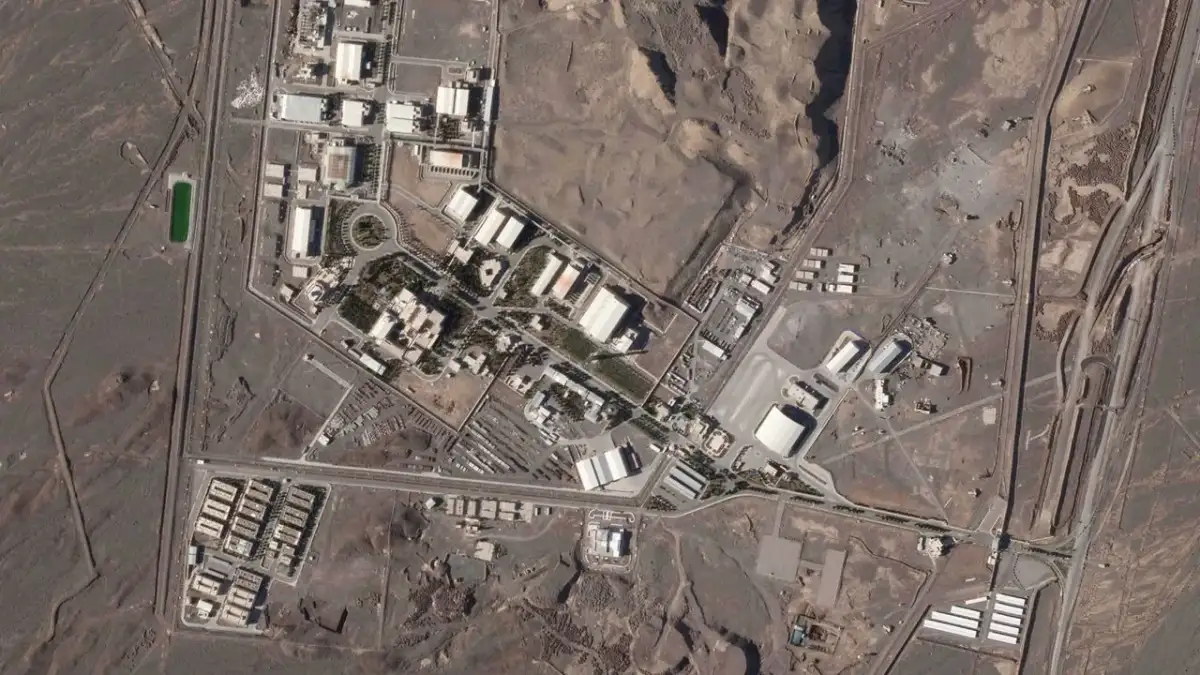
Read More: Iran Zagros Mountain Nuclear Site Construction Update April 2026
Infrastructure Degradation: Poorly maintained mountain highways that lack sufficient barriers.
Regulatory Failure: Weak enforcement of transit laws regarding speed limits and occupancy caps.
Unsafe Practices: Persistent reliance on overtaxed transit vehicles to compensate for limited transport networks.
While some reports cite allegations of human interference—specifically claims that a passenger physically engaged the driver—authorities are currently focused on the logistical fallout and the recovery of victims. President Asif Ali Zardari has formally offered condolences to the families affected by the disaster.
This incident is currently ranked among the most lethal road accidents in recent years, serving as a harsh marker of the hazards inherent in regional transit corridors where oversight remains secondary to necessity.