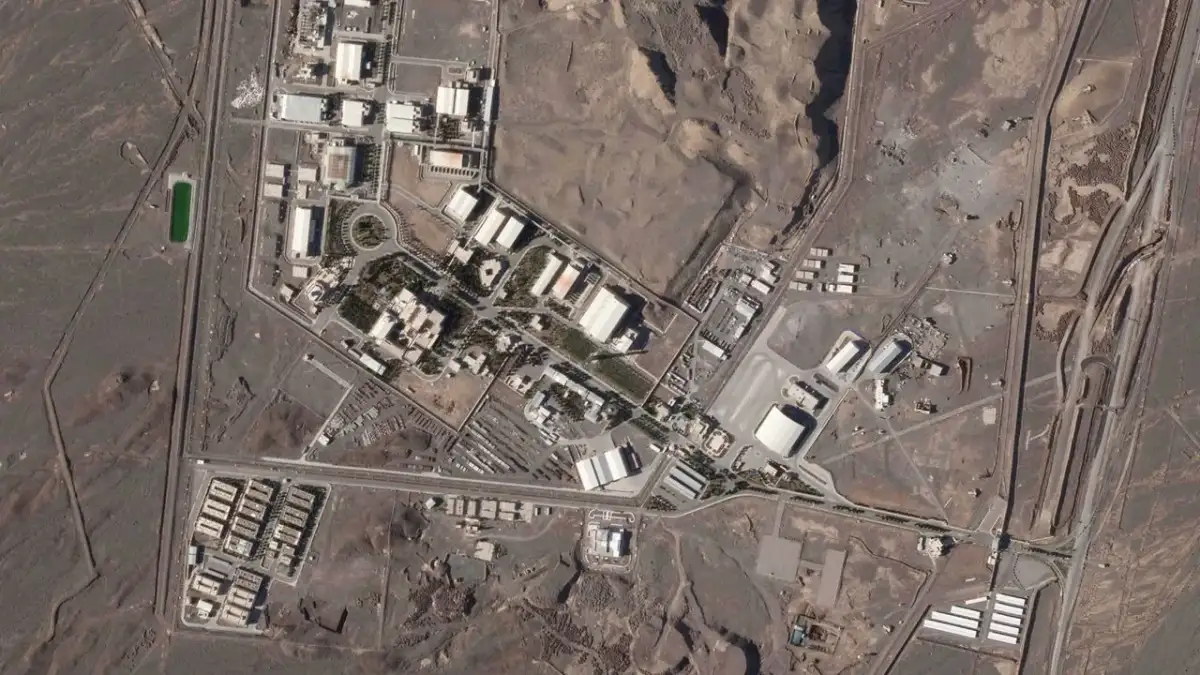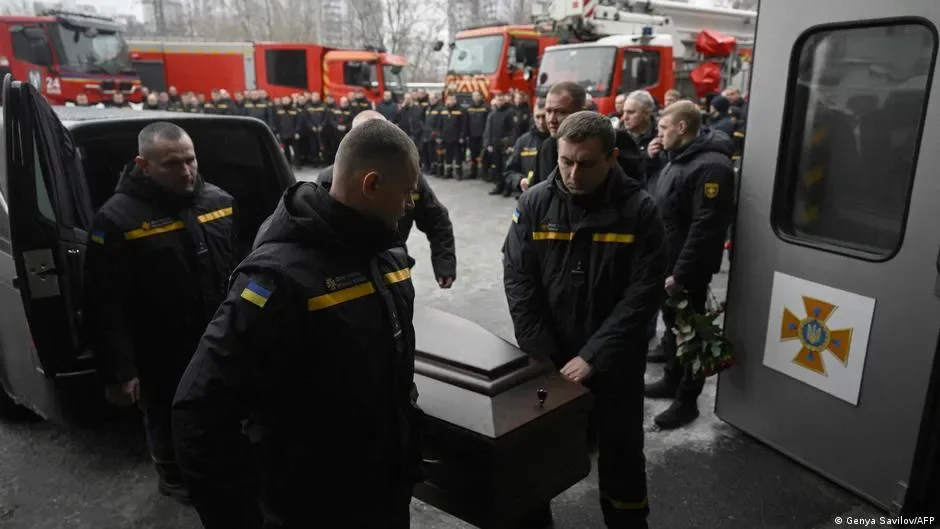
The body of Ayatollah Ali Khamenei currently lies in state in Tehran. This ceremonial display initiates a week-long series of processions spanning across Iran and Iraq, following his death in the opening Israel-US airstrikes on February 28, 2026.
The ritual tour serves as both a funeral and a deliberate projection of institutional continuity amidst internal fracture.
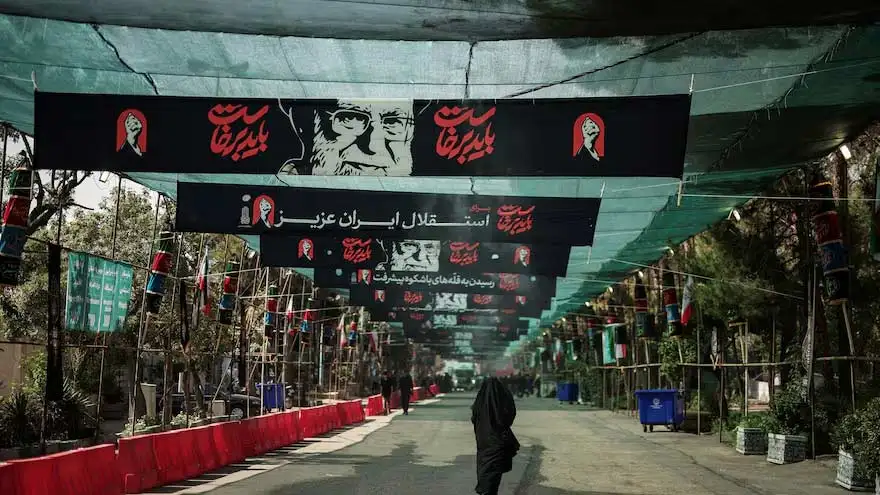
The Itinerary of Succession
The movement of the late leader's remains reflects the structural weight of the Shi’ite theological hierarchy:
| Location | Day | Strategic Significance |
|---|---|---|
| Tehran | Friday–Monday | Central seat of government power. |
| Qom | Tuesday | Core of the clerical and seminary hierarchy. |
| Najaf / Kerbala | Wednesday | Essential nodes of regional influence via proxies. |
| Mashhad | Thursday | Final resting place near the Imam Reza shrine. |
The processions are being orchestrated by state authorities to project an image of absolute devotion.
The selection of sites—specifically those in Iraq—highlights the operational integration between the late leader's network and the broader Shi’ite religious infrastructure.
State media has issued warnings against military provocation from the US or Israel throughout the mourning period.
Fractured Reality vs. Institutional Projection
While the official state narrative emphasizes a monolithic, grieving public, observers note a sharp discrepancy between these performative displays and the current state of domestic affairs. The [ Islamic Republic ] is navigating one of its most unstable periods since the 1979 revolution. The transition of authority remains opaque, with the [ Theocracy ] attempting to bridge the gap between its roles as a revolutionary movement and a governing state apparatus.
Read More: Iran Zagros Mountain Nuclear Site Construction Update April 2026
"In Iran's theocratic system, Khamenei was not only head of state and leader of a revolutionary movement, but the representative on earth for Shi’ite Islam’s 12th imam."
Contextual Underpinnings
Khamenei, who governed for 37 years, occupied a position that functioned as a singular pivot for both political and spiritual life in Iran. His death in the initial days of the war has left a vacuum that current state institutions are attempting to fill through the optics of tradition and collective grief. The use of [ Funeral Diplomacy ] in Najaf and Kerbala acts as an signal to regional proxies that the underlying structure of the [ Revolutionary State ] remains intact, despite the total loss of its primary architect.