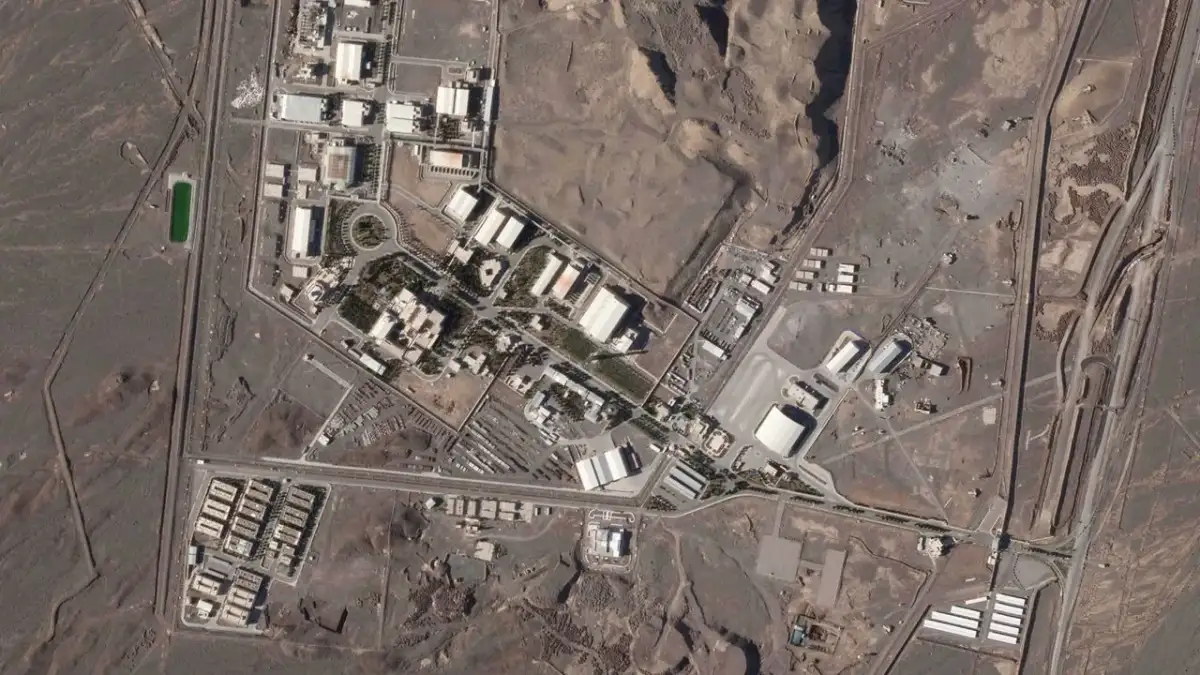
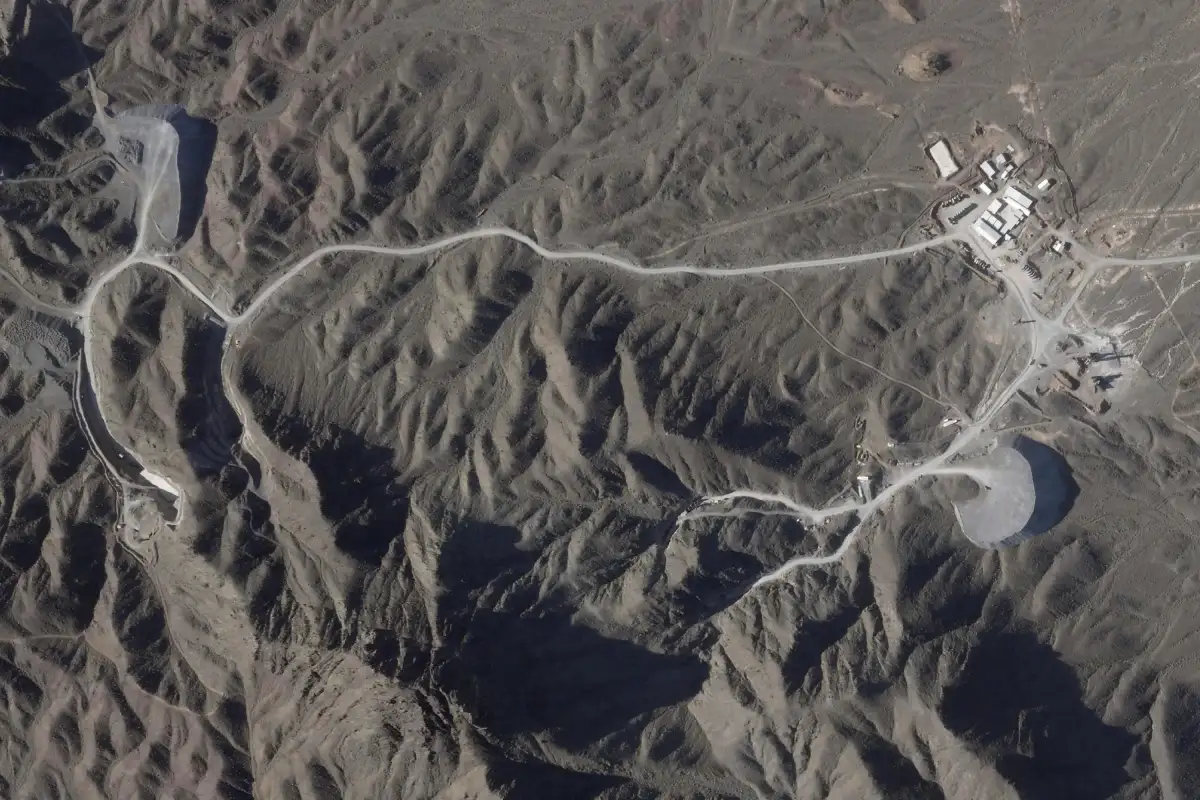
As of April 7, 2026, satellite surveillance confirms that Iran is actively expanding a subterranean installation deep within the Zagros Mountains. This site, colloquially dubbed "Pickaxe Mountain," appears designed to house critical nuclear infrastructure beyond the reach of conventional munitions. The ongoing excavation suggests a strategic pivot from the surface-level facilities destroyed during the joint U.S.-Israeli strikes of June 2025.
The core tension rests on the burial depth of the site, which analysts believe renders it impervious to existing bunker-busting weaponry, effectively neutralizing the kinetic deterrence established by the 2025 bombing campaigns.
Current Status of the Nuclear Program
The construction of the Zagros complex marks a distinct shift in how Tehran manages its nuclear ambitions. Following the decimation of centrifuge capacities at Fordow, Natanz, and Isfahan last year, the state appears to have prioritized hardening over transparency.
IAEA Compliance: While a nominal agreement was reached on September 9, 2025, to grant international inspectors broader access to nuclear sites, Iranian officials have repeatedly obstructed implementation, casting significant doubt on the viability of the accord.
Missing Material: The whereabouts of approximately 900 pounds of uranium enriched to 60 percent purity—a byproduct of pre-strike operations—remain unaccounted for, fueling concerns about potential illicit stockpiling.
Geopolitical Alignment: The proximity of the new facility to the mountainous terrain serves as a physical manifestation of the breakdown in diplomacy. Since the collapse of the formal nuclear deal, Tehran has leveraged increased defense cooperation with Russia to sustain its technical progress despite isolation from Western markets.
Historical Context and Strategic Implications
The Zagros Mountains provide a rugged, geologically complex backdrop that has long been considered a natural fortress for the Iranian military. The range, stretching from the Turkish-Iraqi border to the Strait of Hormuz, spans roughly 990 miles, offering ample, remote locations for deep-earth tunneling.
Read More: 40 Die in Quetta to Peshawar Bus Crash in Balochistan on April 3 2026
| Facility Context | Status Post-June 2025 Strikes | Strategic Role |
|---|---|---|
| Fordow/Natanz | Heavily Damaged | Publicly acknowledged; vulnerable |
| Pickaxe Mountain | Active/Under Construction | Shielded/High-secrecy |
The shift toward this new facility forces a reconfiguration of regional security doctrine. The Institute for Science and International Security has consistently flagged these tunneling efforts as an attempt to protect enrichment cascades that could be utilized to push toward weapons-grade output.
As of today, the standoff remains a static confrontation between the Supreme Leader's control over internal development and the stated refusal by the U.S. and Israel to tolerate an atomic weaponization of the program. With diplomacy largely stalled, the focus of intelligence services has moved toward tracking the rate of subterranean progress and the potential for a new "cascade" of centrifuges to emerge within the mountain’s shelter.
Read More: Ayatollah Ali Khamenei Funeral Schedule in Iran and Iraq April 2026