A new solar telescope, PoET (Paranal solar ESPRESSO Telescope), recently completed its initial observations at the European Southern Observatory's Paranal site in Chile. This instrument is designed to analyze variations in starlight, aiming to overcome a significant hurdle in detecting exoplanets – the "stellar noise" that can obscure the subtle signals of orbiting worlds. By studying our own sun in unprecedented detail, PoET seeks to refine methods for identifying planets around other stars.
The telescope's capability to capture light from the sun's entire visible surface is key to its function. This data will be used in conjunction with ESO's ESPRESSO instrument, a high-precision spectrograph. Researchers believe this combination will offer a substantial improvement over current detection limits. While some current methods can measure star movements down to about one meter per second, European scientists, through instruments like ESPRESSO and now PoET, are pushing towards a sensitivity of 10 centimeters per second. This heightened precision is crucial for identifying smaller, potentially Earth-like planets by detecting the minute wobbles they induce in their host stars.
Read More: JWST Finds Oldest Barred Spiral Galaxy M1149-BSG-z5
PoET's development is situated within a broader European effort to advance exoplanet research. It is expected to complement missions like PLATO (PLAnetary Transits and Oscillations of stars), another European Space Agency initiative focused on finding habitable exoplanets. The ambition for 2026 includes pushing the boundaries of astronomical observation and deepening our understanding of planetary systems beyond our own.
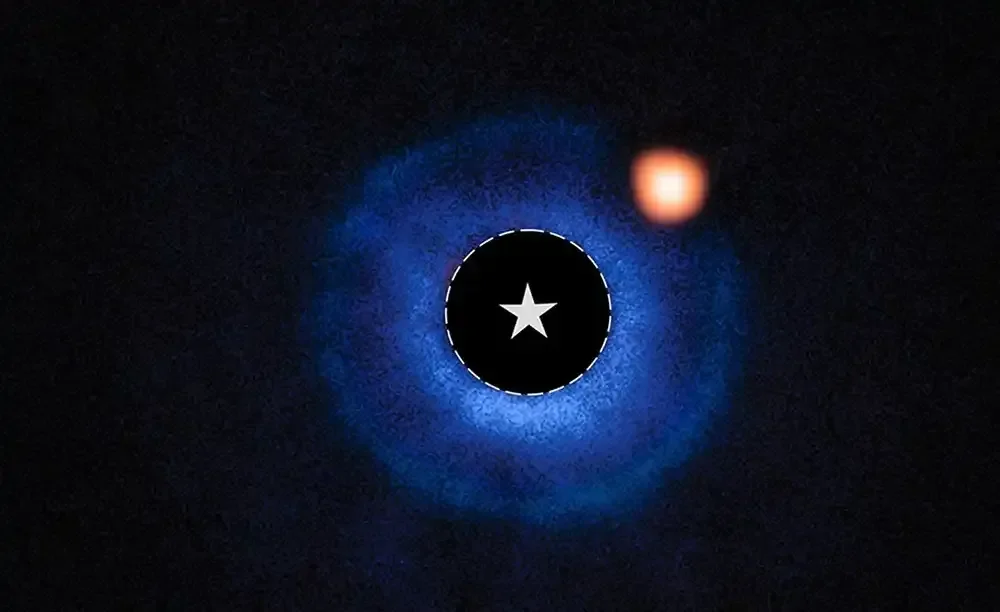
The "stellar noise" problem refers to the natural fluctuations in a star's brightness and movement, which can mimic or hide the signs of a transiting or orbiting planet. By using PoET to understand these variations in a star similar to our sun, scientists can develop better algorithms and techniques to filter out this noise. This advancement is seen as a significant step toward finding "true Earth analogs" – planets with similar size, composition, and orbital characteristics to our own world.
Read More: NASA Robot Mission Launched to Raise Swift Telescope Orbit, Add 10 Years
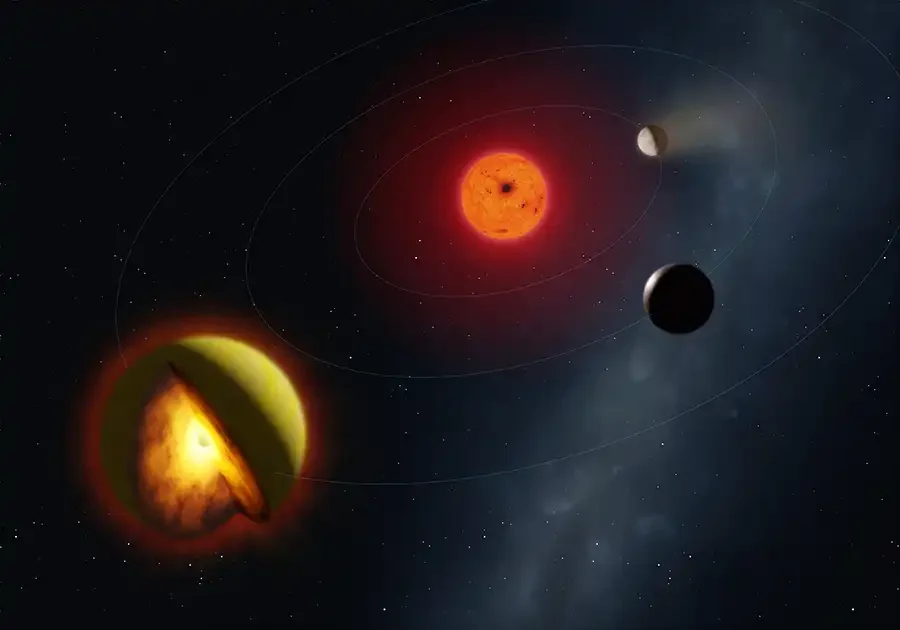
This initiative underscores a period of rapid progress in exoplanet detection, with numerous discoveries and technological advancements being reported. Events throughout 2026 are anticipated to further define the frontiers of astronomy. The broader field has seen milestones such as the discovery of over 5,500 exoplanets, including recent findings of giant protoplanets and planets forming in disks around young stars. Instruments like the James Webb Space Telescope and the Hubble Space Telescope continue to provide detailed insights into exoplanetary atmospheres and the life cycles of planets.