FLASH: Operational Focus and Function
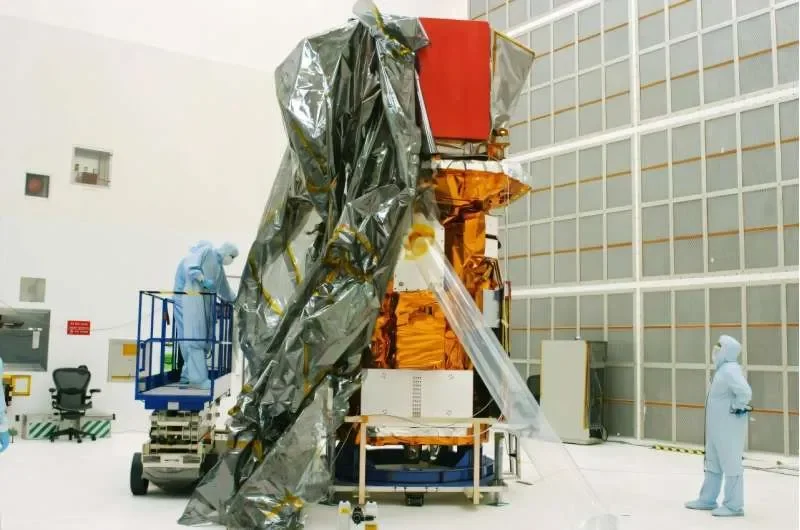
Two distinct control rooms at NASA's Marshall Space Flight Center in Huntsville, Alabama, are currently engaged in real-time support for the Artemis II mission, focusing on astronaut safety and the impending return of the crew to Earth on Friday, April 10. These facilities, known as LUCA (Lunar Utilization Control Area) and LESA (Lander Engineering Support Area), operate as parallel yet specialized entities within the Huntsville Operations Support Center. LUCA is oriented toward supporting the scientific objectives of the Artemis missions, while LESA is tasked with providing crucial engineering oversight for the lunar landing segments.

The dual control rooms are integral to monitoring and managing the complex operations of the Artemis program. Teams stationed within LESA, comprising engineers, safety specialists, flight operations experts, and technical authorities, are actively observing lander systems and contributing to critical decision-making processes. These centers are equipped with advanced technology for precise spacecraft monitoring and data management. The support services extend beyond Artemis, also encompassing operations for the Commercial Crew Program, the Space Launch System (SLS) rocket, and International Space Station science activities. This includes managing spacecraft command and telemetry, facilitating global voice communications, handling live and recorded video feeds, and employing specialized telescience software to ensure seamless, automated data exchange between distant systems.
Differentiated Roles

While visually similar, the LUCA and LESA control rooms possess distinct operational mandates. LUCA is specifically geared towards managing and supporting the scientific endeavors planned for lunar missions, with its role set to expand with future Artemis missions. LESA, on the other hand, is dedicated to the engineering aspects of landing astronauts on the Moon, a critical function anticipated to begin with the Artemis III mission. Personnel within LESA are currently engaged in real-time monitoring of mission operations.
UPDATE: Historical Context and Future Trajectory

The Huntsville Operations Support Center, housing LUCA and LESA, has a history of supporting various critical NASA programs. The development of these twin control rooms reflects a strategic approach to enhancing reliability and ensuring mission success for the ambitious goals of the Artemis program, which aims to establish a long-term human presence on the Moon and eventually support missions to Mars.
FLASH: The Artemis II mission itself represents a significant...
The Artemis II mission itself represents a significant step, being the first crewed flight of NASA’s SLS rocket and Orion spacecraft. The launch countdown for this test flight commenced on March 30, 2026, from the Kennedy Space Center in Florida, with the crew comprising NASA astronauts Reid Wiseman, Victor Glover, Christina Koch, and Canadian Space Agency astronaut Jeremy Hansen. The launch was targeted for April 1, 2026.