New Models Demand Deeper Ethical Scrutiny
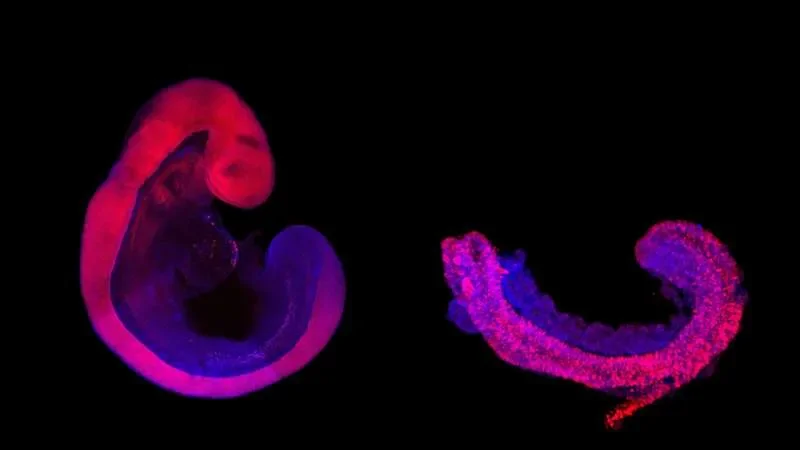
Human stem-cell-based embryo models (hSCBEMs), recently developed from pluripotent stem cells, represent a significant stride in understanding early human development and furthering medical science. Their creation and study, however, are now outpacing traditional ethics approval mechanisms, which are proving insufficient for the novel challenges they present.
The rapid advancement of hSCBEM research outstrips the adaptability of existing ethical review processes. This fast-moving area necessitates a move beyond simple checklist-style approvals to a more nuanced and continuous engagement with ethical considerations.
Beyond Box-Checking
Conventional ethical frameworks are designed for established research practices. They falter when faced with the unexpected challenges, novel methodologies, unanticipated research trajectories, or unforeseen outcomes inherent in pioneering fields like hSCBEM development. These traditional methods offer scant flexibility for situations where ethical boundaries are not clearly defined.
To navigate this complex terrain and ensure both scientific rigor and ethical integrity, the scientific community is exploring approaches such as embedded ethics. This model aims to integrate ethicists, legal experts, and scientists into an ongoing dialogue, fostering a more dynamic and responsive ethical framework. The goal is to translate broad ethical guidelines into practical, everyday considerations for researchers working with these powerful new tools.
Read More: Indigenous Data Rights Now Key in Conservation Genomics