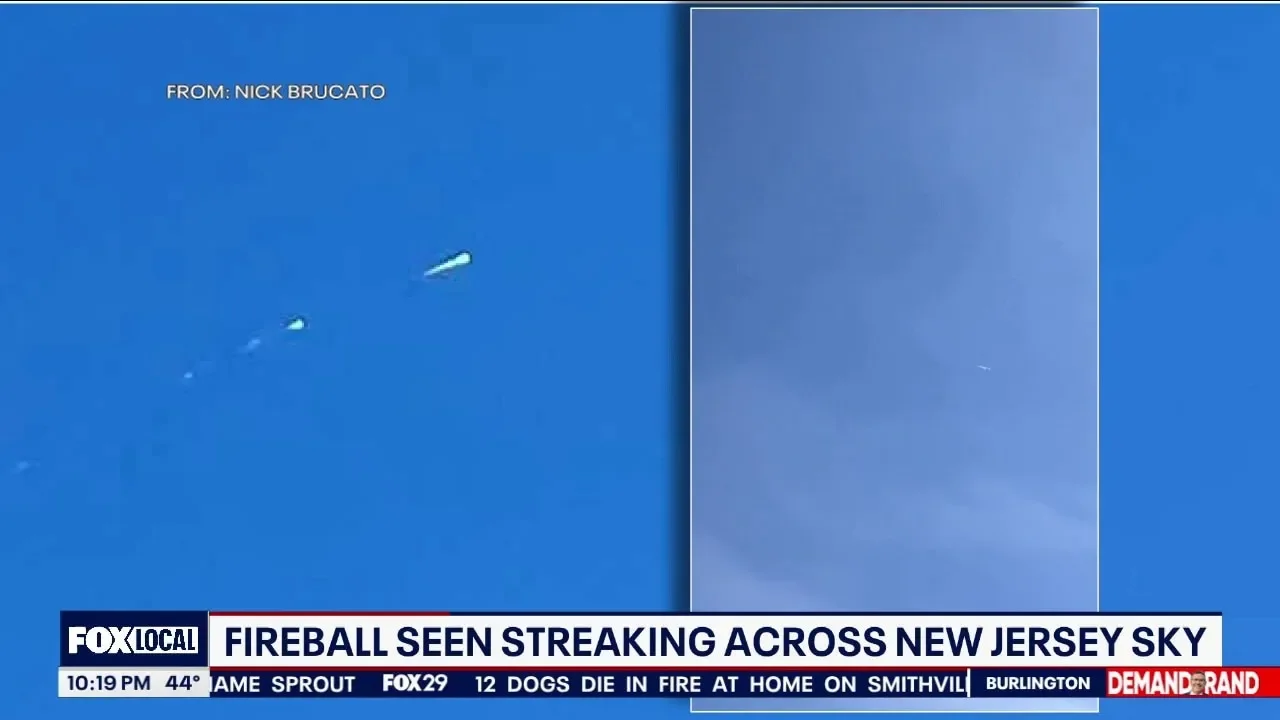
A brilliant celestial event, identified as a fireball meteor, captivated onlookers across five northeastern U.S. states on Tuesday, April 7. NASA has confirmed the object's trajectory and speed, reporting it traveled approximately 117 miles at speeds nearing 30,000 miles per hour before disintegrating about 27 miles above southern New Jersey. The event, occurring in broad daylight around 2:34 p.m. Eastern Time, prompted hundreds of eyewitness reports to the American Meteor Society, with sightings concentrated in Connecticut, Delaware, New Jersey, New York, and Pennsylvania.

The object first became visible approximately 48 miles above the Atlantic Ocean, off the coast of Long Island, New York. Its path tracked southwestward, culminating in its disintegration over southern New Jersey. NASA defines a fireball as a meteor significantly brighter than the planet Venus, a characteristic consistent with the event observed.
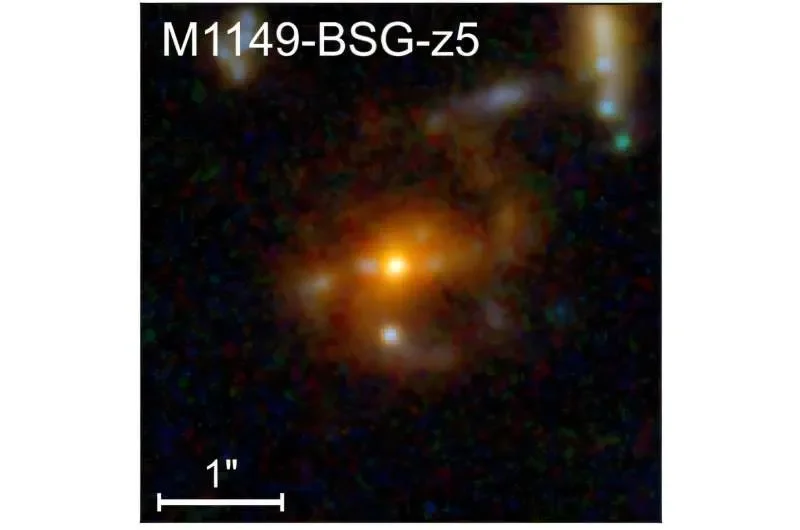
Read More: JWST Finds Oldest Barred Spiral Galaxy M1149-BSG-z5

Reports suggest the phenomenon was not just a visual spectacle. Some residents in South Jersey described hearing a loud boom and feeling their houses rattle simultaneously with the fireball's appearance. The swiftness and brightness of the meteor, visible despite afternoon sunlight, transformed an ordinary day into a widespread public curiosity, quickly documented and shared across social media platforms and news outlets.

Technical Details and Observations
The American Meteor Society logged at least 186 confirmed sightings, with numbers continuing to climb. Specific observations detail the meteor's initial appearance off Long Island and its final breakdown point above Galloway Township, New Jersey. Eyewitness accounts described a bright streak lasting for several seconds. While the primary sightings were within the five listed states, scattered reports also emerged from areas as far north as Hartford, Connecticut, and as far south as the Philadelphia region.
Read More: US 250th Anniversary on July 7, 2026, sees 20% not celebrating

Contextualizing the Event
Meteors, often described as space rocks entering Earth's atmosphere and burning up, are common occurrences. However, daytime fireballs of this magnitude are less frequent. NASA notes that while meteors occur constantly, fireballs can be spotted on any given night. This event occurs during what NASA terms "fireball season," encouraging public engagement with sky-watching and meteor observation.
Previous incidents, such as a meteor weighing approximately one ton that dropped debris through a Texas roof on March 21, highlight the varied impacts and nature of celestial objects entering Earth's atmosphere. These events underscore the dynamic relationship between Earth and its cosmic surroundings, often reminding populations of the vastness and unpredictability of space.