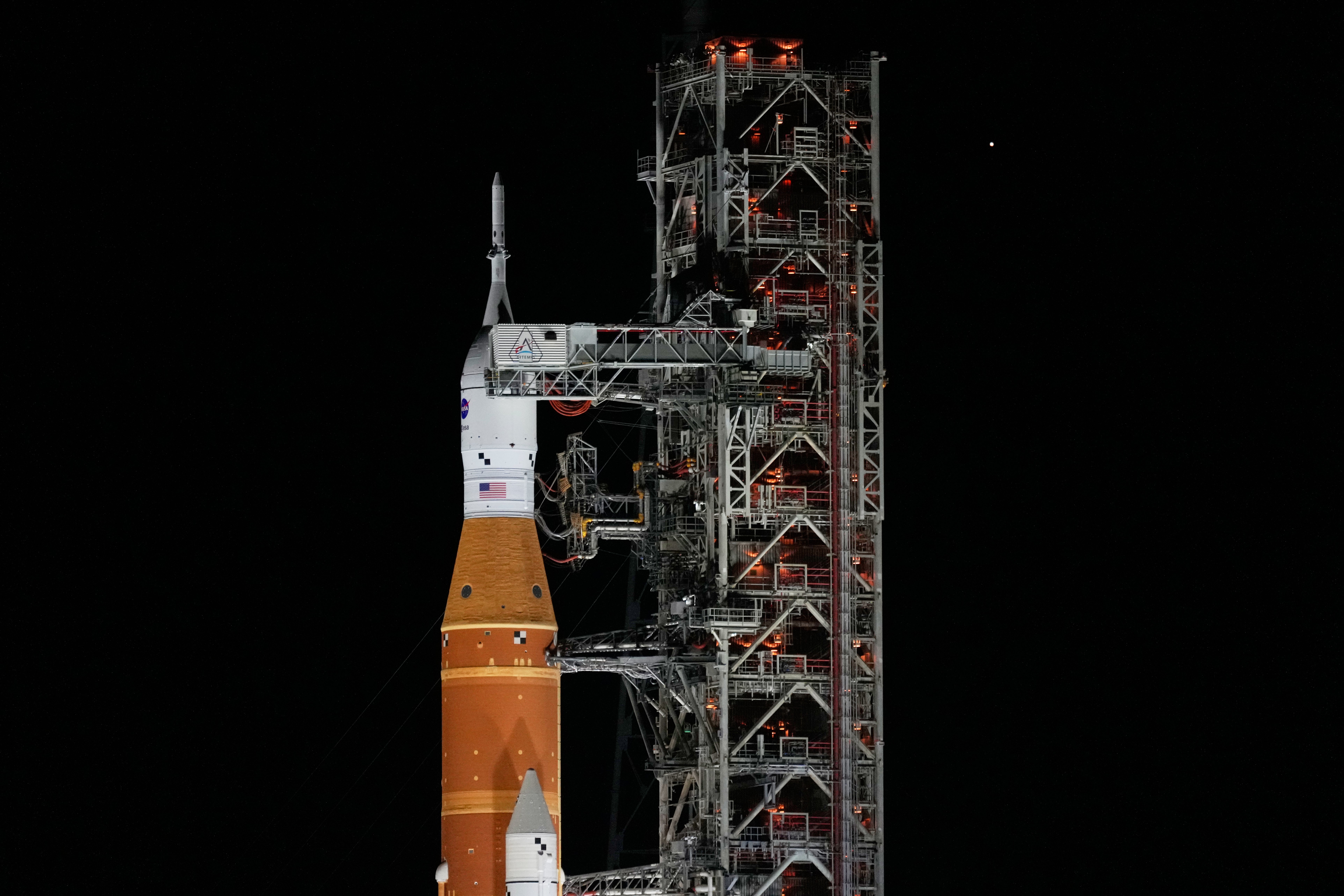
NASA has successfully finished a major test of its giant Moon rocket, known as the Space Launch System (SLS). This test, called a "wet dress rehearsal," involved filling the rocket with over 730,000 gallons of liquid fuel to see if it could handle the pressure of a real launch. This success follows a failed attempt in early February when a hydrogen leak forced engineers to stop the clock. By completing this rehearsal on February 19, NASA has removed a primary obstacle to the Artemis II mission. This mission will carry four people around the Moon, marking the first time humans have traveled that far since the 1970s. The success of this test confirms that recent repairs were effective and keeps a March launch date possible.

Timeline and Key Participants
The path to this successful test involved several weeks of repair work and planning after a technical setback.
Read More: NASA Artemis II Rocket Completes Second Fueling Test, Launch Date Expected Soon

Early February: The first fueling test was stopped due to a liquid hydrogen leak.
February 19: NASA successfully completes the second fueling test at Kennedy Space Center.
Early March (Proposed): Potential launch window for the actual mission.
The mission includes a four-person crew:
Reid Wiseman (Commander, NASA)
Victor Glover (Pilot, NASA)
Christina Koch (Mission Specialist, NASA)
Jeremy Hansen (Mission Specialist, Canadian Space Agency)
Recorded Evidence and Test Data
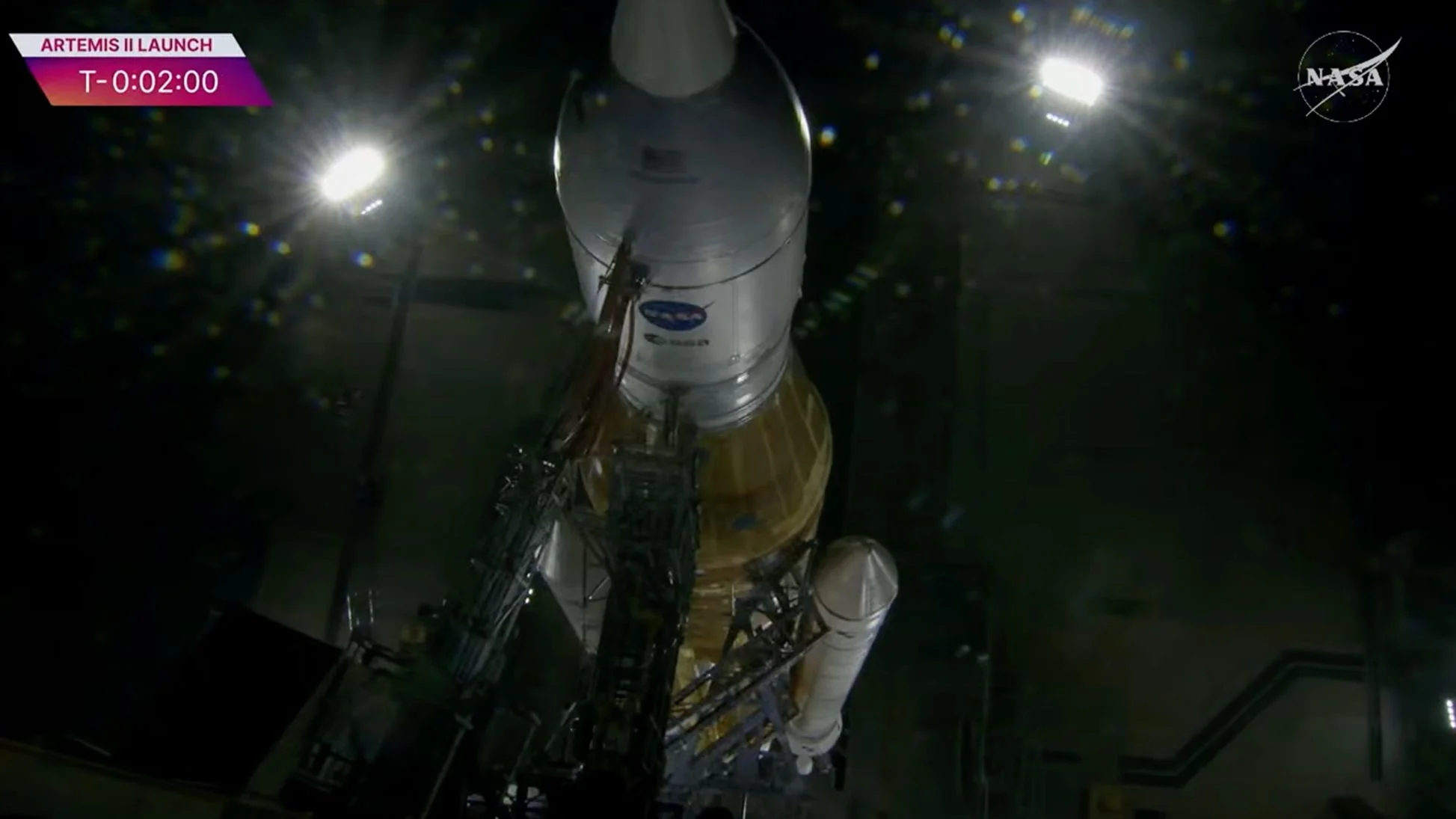
Official reports and live tracking from the test day show that the rocket reached several "milestones" that it missed during the previous attempt.
| Test Phase | Status | Observation |
|---|---|---|
| Core Stage Loading | Complete | Liquid oxygen and hydrogen tanks reached "replenish" mode. |
| Upper Stage Loading | Complete | The interim cryogenic propulsion stage reached "fast fill" status. |
| Hatch Closure | Success | Teams simulated final launch day procedures, including closing the abort system hatch. |
| Simulated Cutoff | Success | The countdown reached its planned stop point without a leak-related shutdown. |
"NASA fueled up its giant lunar rocket and completed a launch-day walkthrough on Thursday… the results will help mission managers assess recent repairs." — Official report from NBC News.
Technical Resolution and Remaining Questions
Fixing the Fuel Leaks
The main goal of this second test was to see if the repairs made after the February 2 failure were strong enough. During that first try, a leak was found as the rocket was being filled. This is a common problem with liquid hydrogen because it is a very thin gas that can escape through tiny gaps.
Did the specific modifications made to the seals and pipes completely remove the risk of future leaks, or did they simply hold up long enough for this specific test?
How much of the success was due to weather conditions compared to the mechanical repairs?
Preparing the Crew
Unlike the first Artemis mission, which was empty, this rocket will carry humans. During the rehearsal, the crew practiced entering the Orion capsule and going through the final hours of a launch.
Quarantine: The four astronauts are expected to enter a two-week isolation period in Houston soon to ensure they do not get sick before the flight.
Safety Checks: The team also practiced "contingency flows," which are the steps they take if something goes wrong during the countdown.
Setting the Final Launch Date
While the test appeared successful, NASA has not yet named a final day for the actual launch.
Read More: Actor Eric Dane Dies on February 19 2026 at Age 53 from ALS Disease
Data Review: Engineers must now look at thousands of sensors to ensure there were no "hidden" issues during the fueling process.
The March Target: Although March 6 has been mentioned as the earliest possible date, the agency must complete a "flight-readiness review" before making it official.
Is the March 6 date firm, or could the "additional modifications" mentioned by NASA officials suggest a need for more pad work before liftoff?
Expert Analysis
NASA leadership and external observers suggest that this test was the final major "gate" the agency had to pass. Because the Artemis I mission also suffered from similar hydrogen leaks, experts note that the agency seems to be learning how to manage the temperamental SLS fueling system.
According to mission summaries, the ability to reach "fast fill" on the upper stage is a strong sign that the plumbing of the rocket is now stable. The focus now shifts from the hardware of the rocket to the readiness of the flight software and the recovery teams that will wait for the crew in the Pacific Ocean.
Investigation Findings
The second wet dress rehearsal was a success in terms of hardware performance. The rocket was fully fueled, and the countdown reached its planned conclusion.
Read More: NASA Chief Blames Boeing and NASA for Starliner Spacecraft Problems After 9-Month Astronaut Stay
Findings: The liquid hydrogen leak that stopped the February 2 attempt did not return during this test. All stages of the rocket accepted fuel as expected.
Implications: NASA is now in a position to set a launch date. The crew is beginning final preparations, including medical isolation.
Next Steps: NASA will perform a final "communications verification" and an "emergency egress exercise" (practicing how to leave the rocket quickly in an emergency) before moving the rocket into its final launch position at Pad 39B.
Verified Sources
CBC News: NASA successfully completes second launch rehearsal
The Hindu: NASA conducts successful rehearsal of Artemis 2 lunar launch
NASA Mission Blog: Artemis II Wet Dress Rehearsal Coverage
Space.com: NASA fueled up its Artemis 2 moon rocket in 2nd critical test
NBC News: NASA completes moon launch rehearsal after repairing rocket
Live Science: NASA starts countdown clock for second Artemis II wet dress