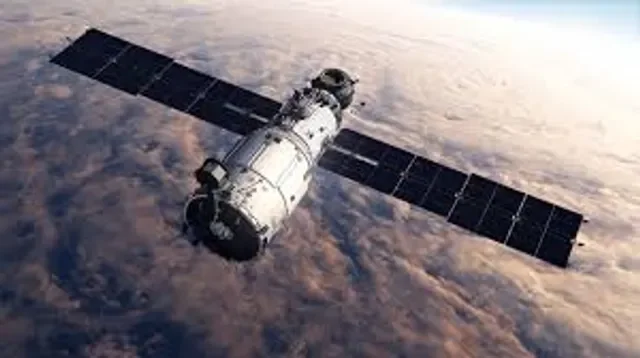
A new report from investigators shows that serious mistakes by NASA and Boeing put two astronauts in danger. The Starliner mission, which was only supposed to last eight days, ended with the crew staying in space for nine months. The 311-page report labels the event as a "Type A" mishap. This is the most serious level of accident at NASA, usually reserved for events where people are lost or property is destroyed. While the crew returned safely on a different ship, investigators say they were lucky to be alive.
"A considerable portion of the responsibility and accountability rests here," stated Jared Isaacman, the current NASA Administrator, during a press meeting on Thursday.
Timeline of the Starliner Mission Failure
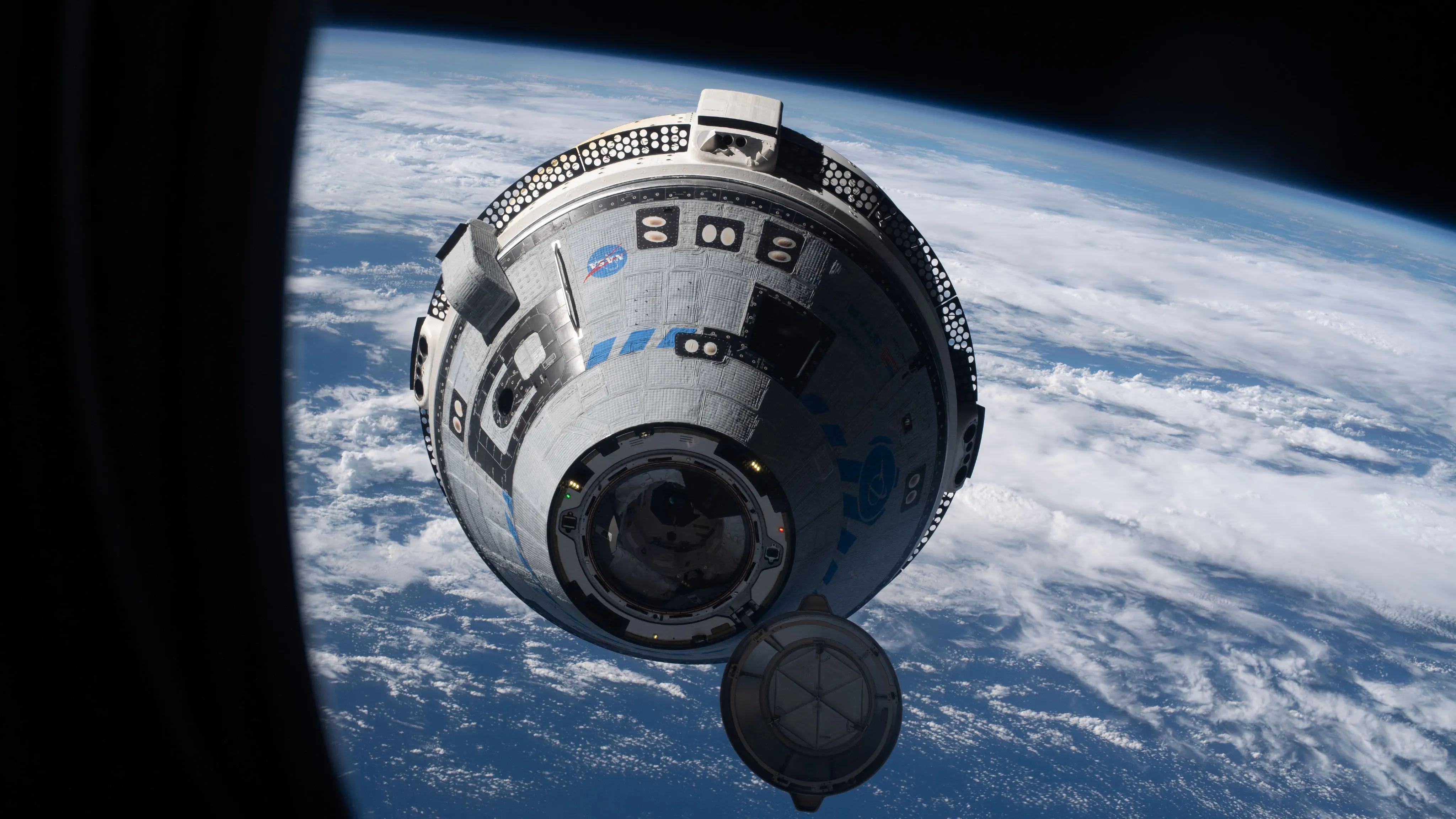
The mission began as a test to see if Boeing’s CST-100 Starliner could safely carry people to the International Space Station (ISS). Instead, the mission faced a series of technical problems that changed the plan entirely.

Launch and Docking: During the trip to the ISS, the ship’s thrusters—the small engines used to move in space—began to fail.
Loss of Control: The ship, named Calypso, briefly lost its ability to stay in the right position while trying to connect to the station.
The Wait: Astronauts Butch Wilmore and Suni Williams stayed on the ISS for months while teams on the ground tried to fix the issues.
The Return: NASA decided it was too dangerous for the crew to fly home on Starliner. The ship returned empty, and the astronauts stayed behind until they could get a ride with SpaceX.
| Key Factor | Investigation Finding |
|---|---|
| Mission Duration | Planned: 8–14 days |
| Crew Status | Butch Wilmore and Suni Williams have both retired from NASA. |
| Safety Level | Rated as a "Type A" mishap (highest risk level). |
| Technical Cause | Thruster malfunctions and software communication errors. |
| Root Cause | Poor oversight and failures in management. |
Technical Faults and Ground Testing
The investigation focused on why the thrusters failed in space. NASA engineers conducted tests at the White Sands Test Facility to recreate the problem. They found that the ship’s propulsion system was not fully ready for the mission.
Read More: New Glenn Rocket Grounded After Failed Satellite Launch on Sunday
The report makes it clear: the technical errors were a symptom of a much larger problem in how the project was managed.

Investigators found that:
Testing was not enough: The parts were not tested in ways that matched the real stress of space travel.
Subcontractor issues: Boeing relied heavily on other companies to build parts but did not check their work closely enough.
Design flaws: The spacecraft design had weaknesses that the teams did not find before launch.
Side-by-Side: Where the Blame Lies
The report does not blame just one group. It describes a "breakdown in communication" between the private company and the government agency.
The Findings Against Boeing
Investigators found that Boeing’s internal culture focused too much on finishing the project and not enough on finding small errors. The company had "inadequate systems engineering," which means they did not look at how all the parts of the ship worked together as one unit.
The Findings Against NASA
NASA was criticized for being "too hands-off." Because Boeing is a long-time partner, NASA leaders trusted them too much and did not provide enough oversight. The Commercial Crew Program (CCP) was more focused on making the mission a success than on checking if the ship was truly safe for humans.
Read More: Norse Atlantic Cancels LAX to London Flights Due to Fuel Costs
Expert Analysis of Cultural Failings
Experts who looked at the 311-page document say the issues are remarkably similar to past space disasters. By calling this a "Type A" mishap, NASA is acknowledging that the mission was on the edge of a catastrophe.
Jared Isaacman noted that NASA failed to "push back" on Boeing when things looked wrong. He explained that leadership across the entire organization failed to prioritize safety.
"NASA will not fly another crew on Starliner until technical causes are understood and corrected," Isaacman confirmed.
This statement suggests that the agency knows it cannot continue with business as usual. The question remains: Could these failures have been caught years ago if NASA had been more strict with its safety checks?
Conclusion and Next Steps
The investigation concludes that the Starliner mission failed because of a mix of bad engineering and weak leadership. While both NASA and Boeing say they want to keep working together, the path forward is difficult.
Read More: NASA tests fire safety for Moon missions
Core Findings:
The mission put human lives at high risk due to avoidable errors.
Both organizations failed to communicate about technical risks.
The "Type A" rating serves as a formal warning that the program must change.
Immediate Actions:
Boeing must redo the qualification of the propulsion system.
NASA must change how it supervises private contractors.
No new crewed missions will be allowed until every recommendation in the report is met.
NASA maintains that having two different companies (Boeing and SpaceX) to carry astronauts is important for "redundancy." However, this report shows that having a backup plan is only useful if both ships are safe to fly.
Sources Used
NASA Official Release: NASA Releases Report on Starliner Crewed Flight Test Investigation (Context: Official findings from the Program Investigation Team).
NBC News: NASA report paints damning picture of Boeing mishap (Context: Summary of leadership failings and astronaut retirement).
The Register: NASA says Boeing, leadership to blame for Starliner (Context: Details on the 311-page report and "Type-A" mishap status).
Scientific American: NASA declares Starliner flight a mishap on par with shuttle disasters (Context: Risk assessment and the role of Administrator Isaacman).
CBS News: NASA's new chief rebukes Boeing, space agency (Context: Accountability and requirements for future flights).
Florida Today: NASA's investigation calls Starliner most serious 'Type A' mishap (Context: Mission timeline and spacecraft malfunction details).