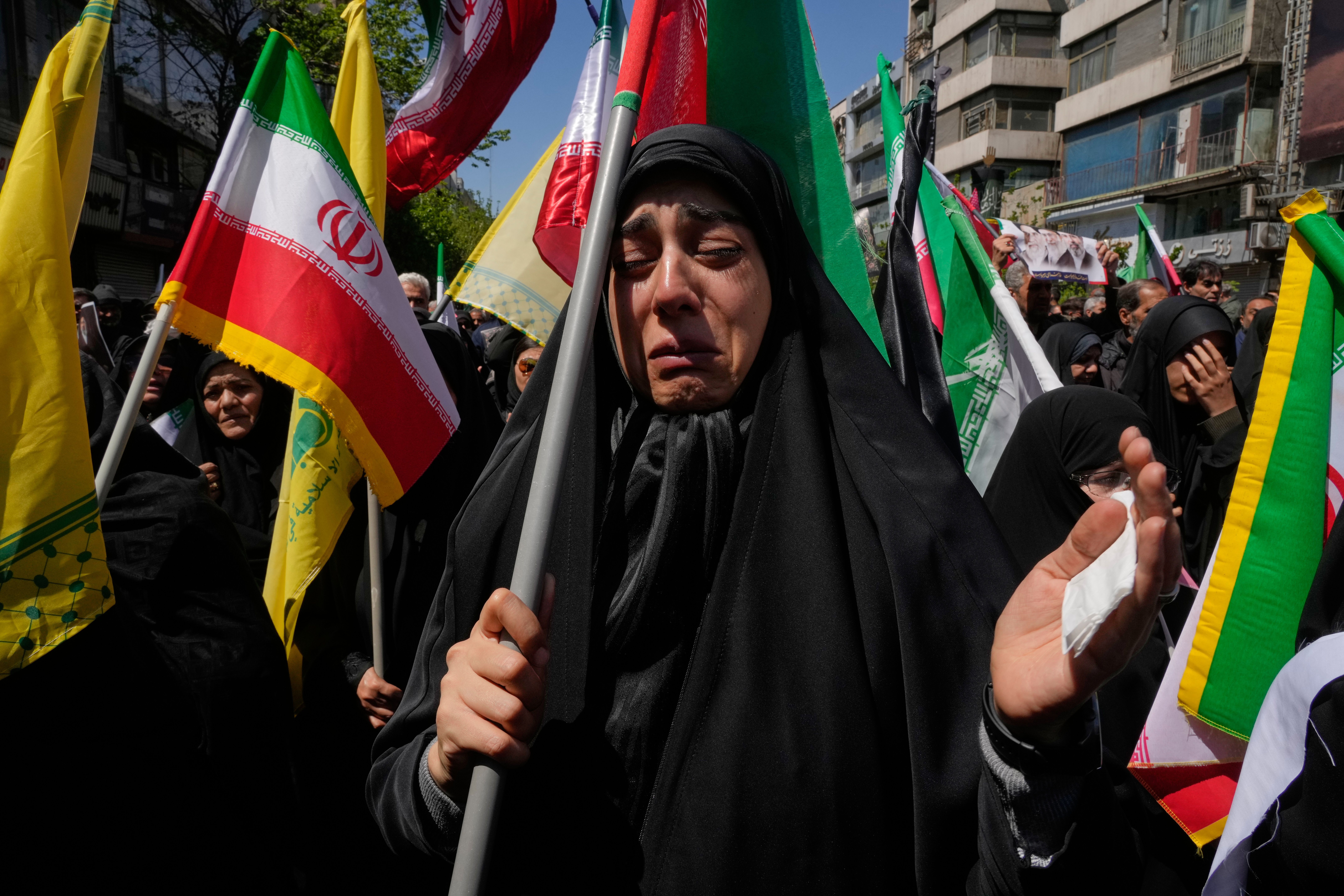
Tension escalates as President Trump has set a 10-day ultimatum for Iran to agree to a deal, warning that "bad things will happen" if an agreement is not reached. This statement comes amid increased military posturing by the U.S. in the Middle East and renewed rhetoric from both sides. The timeframe suggests a critical juncture in U.S.-Iran relations, with potential military conflict a distinct possibility.
Iran Responds to U.S. Pressure
In response to President Trump's declaration, Iran has conveyed to the UN Secretary-General that it views U.S. bases in the region as potential targets if they are used in any military aggression against Iran. This communication was delivered via a letter to António Guterres, where Iran’s UN mission signaled a significant risk of an attack, while also stating a desire to avoid war.
Read More: Eric Swalwell California Governor Campaign Hit by Sexual Assault Claims
Iran has communicated its stance to the UN.
The message highlighted the perceived risk of an attack.
Iran has also stated it does not seek conflict.
U.S. Military Preparations and Diplomatic Efforts
The 10-day deadline coincides with notable military movements and diplomatic meetings. President Trump has directed a second aircraft carrier group, the USS Gerald Ford, to the Middle East, joining the already present USS Abraham Lincoln. This build-up of naval assets has reportedly reached a stage where military action against Iran is a viable option. Concurrently, U.S. national security advisers have met to discuss Iran, and Secretary of State Marco Rubio is scheduled to meet with Israeli Prime Minister Benjamin Netanyahu on February 28 to discuss Iran.
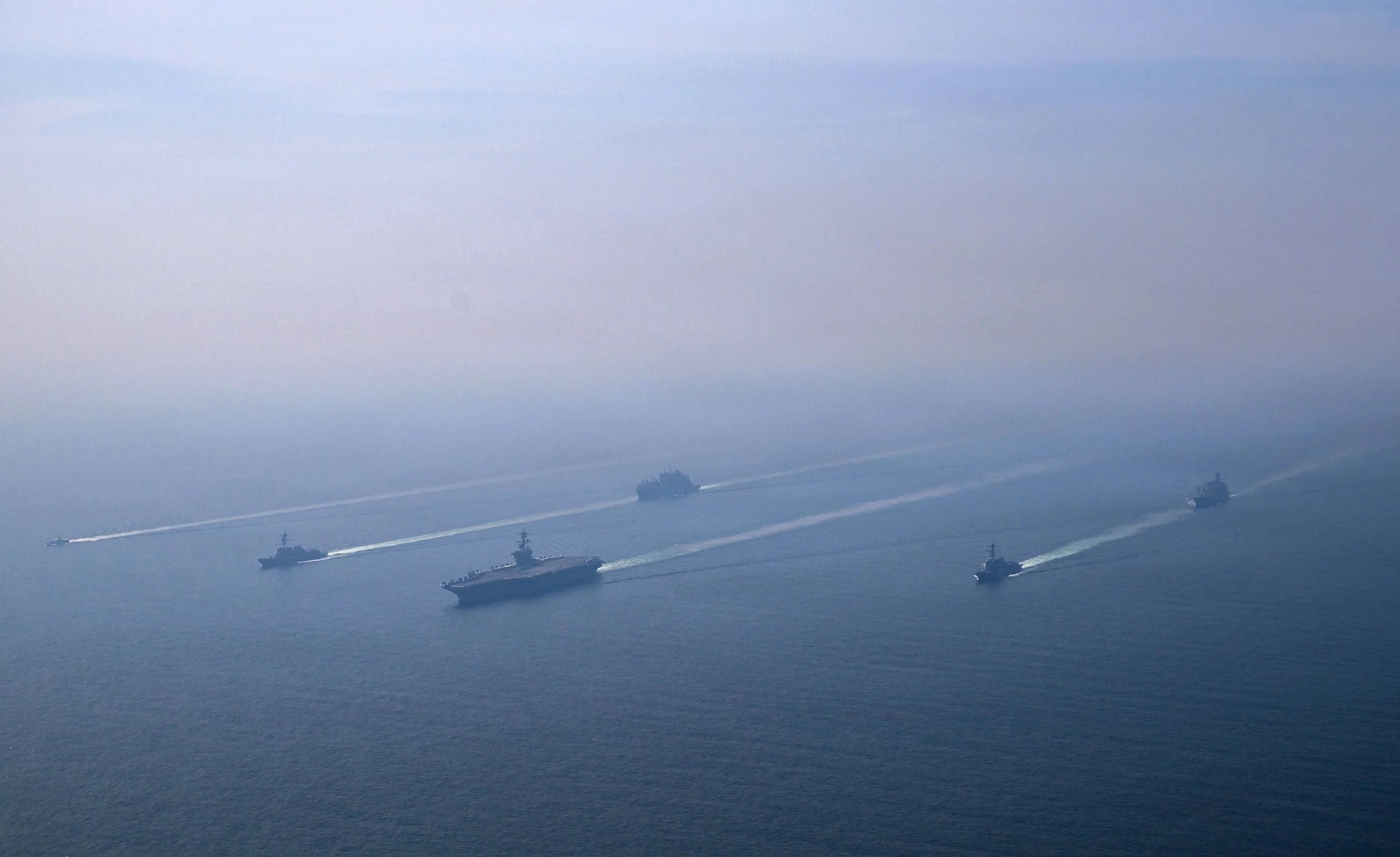
A second aircraft carrier is en route to the Middle East.
U.S. officials have met to discuss military options.
High-level diplomatic meetings concerning Iran are scheduled.
Iran's Position and Past Confrontations
Iran has responded to Trump's comments through diplomatic channels, and its Supreme Leader, Ayatollah Ali Khamenei, has posted threatening messages towards U.S. forces on social media. Satellite imagery indicates Iran has reinforced its military facilities. This heightened tension follows previous U.S.-Iran talks, some mediated by Oman, which have yielded constructive discussions but failed to resolve major differences. In the past, the U.S. and Israel have accused Tehran of seeking to develop nuclear weapons, and both countries reportedly bombed Iran's nuclear and military sites in June.
Read More: US-Iran Talks Fail: Ceasefire Scope and Regional Demands Cause Disagreement

Iran has reinforced military sites.
Social media posts from Iran's leadership have contained threats.
Previous U.S.-Iran talks have faced significant challenges.
International Reactions and Economic Impact
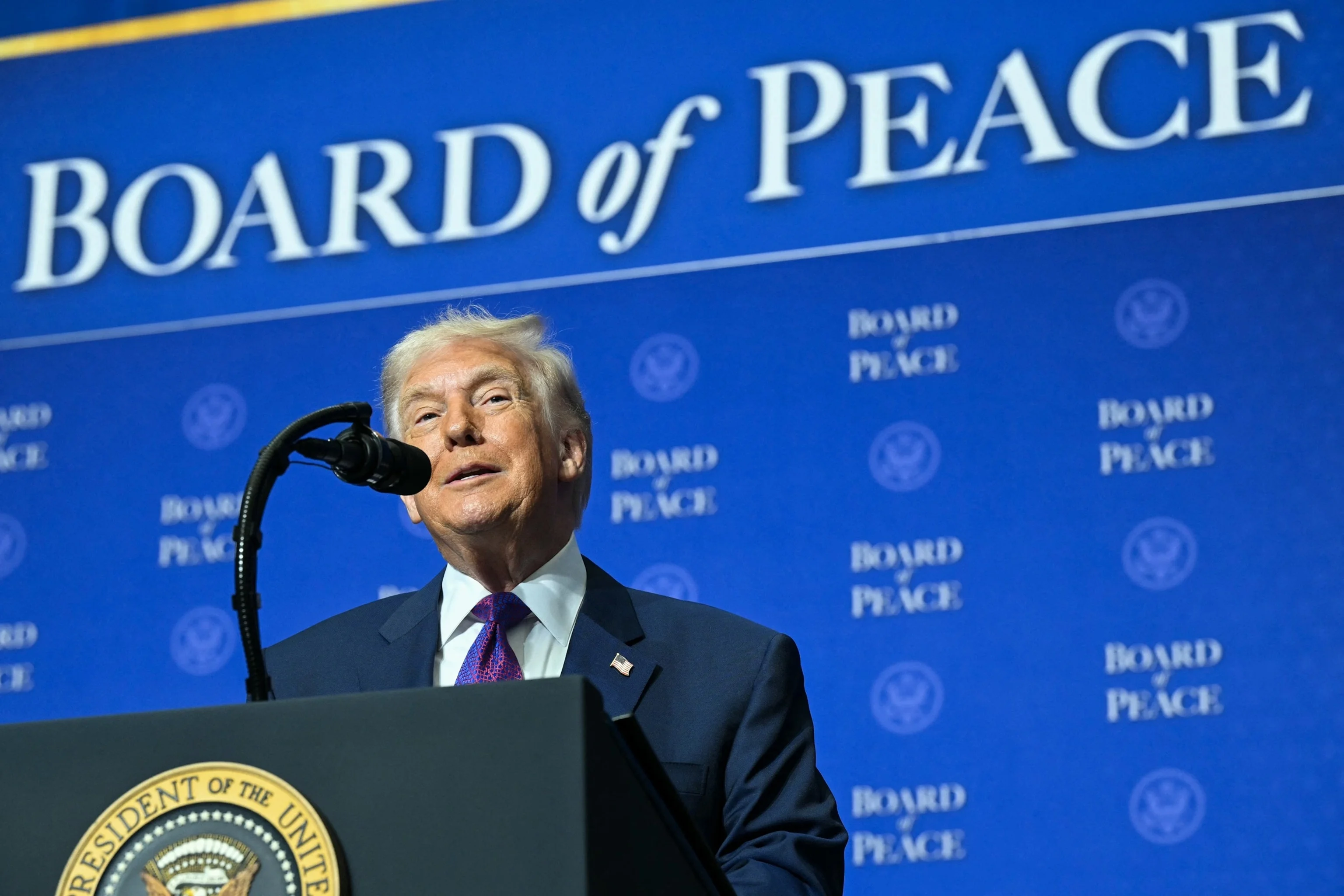
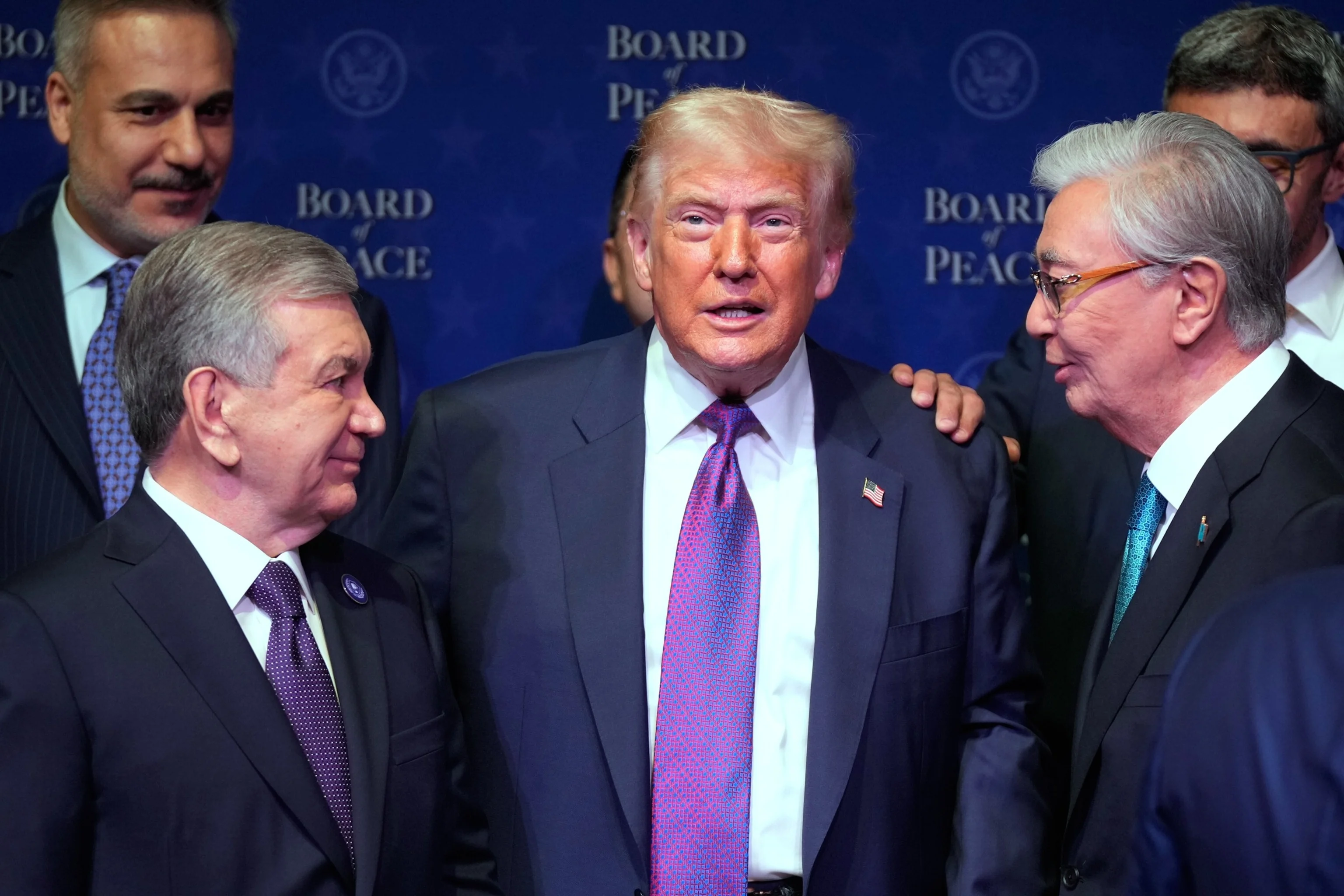
While the U.S. frames its actions within the context of a "Board of Peace" initiative, a body focused on Gaza reconstruction, concerns about potential military action are evident. Democratic lawmakers and some Republicans have expressed opposition to military action without congressional approval. Notably, the British government has indicated it has not granted permission for the U.S. to use UK military bases for potential strikes on Iran. The escalating situation has also impacted global markets, with oil prices rising due to concerns that a U.S.-Iran conflict could disrupt crude oil flow through the Strait of Hormuz, a vital chokepoint for global trade.
Congressional approval for military action is being sought.
The UK has not authorized the use of its bases for potential strikes.
Oil prices have increased amid fears of conflict.
Unresolved Questions in Negotiations
The exact scope of the current U.S.-Iran negotiations remains unclear. Reports suggest discussions may involve Iran's nuclear program and its ballistic missiles, though the precise objectives are not publicly defined. Previous prolonged negotiations between the U.S. and Iran, which lasted months earlier last year, ultimately collapsed, leading to U.S. strikes on Iran’s uranium enrichment sites. The current talks are characterized by loose deadlines, with Iran seeking additional time for detailed proposals.
Read More: Outside Groups Outspend Candidates in Democratic Primaries This Year
The specific topics of negotiation are not fully clear.
Previous diplomatic efforts have failed.
Iran has requested more time for proposals.
Sources
BBC News: Trump says world has 10 days to see if Iran agrees deal or 'bad things happen' - Published 1 day ago - https://www.bbc.com/news/articles/c86yjnw4x49o
USA Today: Trump says Iran has 10 days to reach nuclear deal to avoid military action - Published 6 hours ago - https://www.usatoday.com/story/news/politics/2026/02/19/trump-iran-nuclear-deal-10-days/88766474007/
ABC News: Trump gives Iran a 10-day timeline in Board of Peace meeting on whether he'll continue talks or strike - Published 1 day ago - https://abcnews.com/Politics/trump-iran-10-day-timeline-board-peace-meeting/story?id=130302044
Gulf News: US forces build up as Trump gives Iran 10 days - Published 12 hours ago - https://gulfnews.com/world/mena/trump-gives-iran-10-days-us-israel-mount-pressure-over-nuclear-standoff-1.500449180
France 24: Trump sets Iran nuclear deal deadline, Tehran threatens retaliation against US bases - Published 1 day ago - https://www.france24.com/en/middle-east/20260219-trump-iran-nuclear-deal-deadline-tehran-threatens-retaliation-us-bases
CNBC: Trump to decide whether to attack Iran in next 10 days — oil prices rise - Published 12 hours ago - https://www.cnbc.com/2026/02/19/trump-to-decide-whether-to-attack-iran-in-next-10-days-oil-prices-jump.html?msockid=1b3665740b7e63b30f0172720a6362e3
CNN Politics: As Iran talks drag on, questions emerge over how long Trump will indulge diplomacy - Published 3 days ago - https://www.cnn.com/2026/02/17/politics/trump-iran-negotiation-war-diplomacy