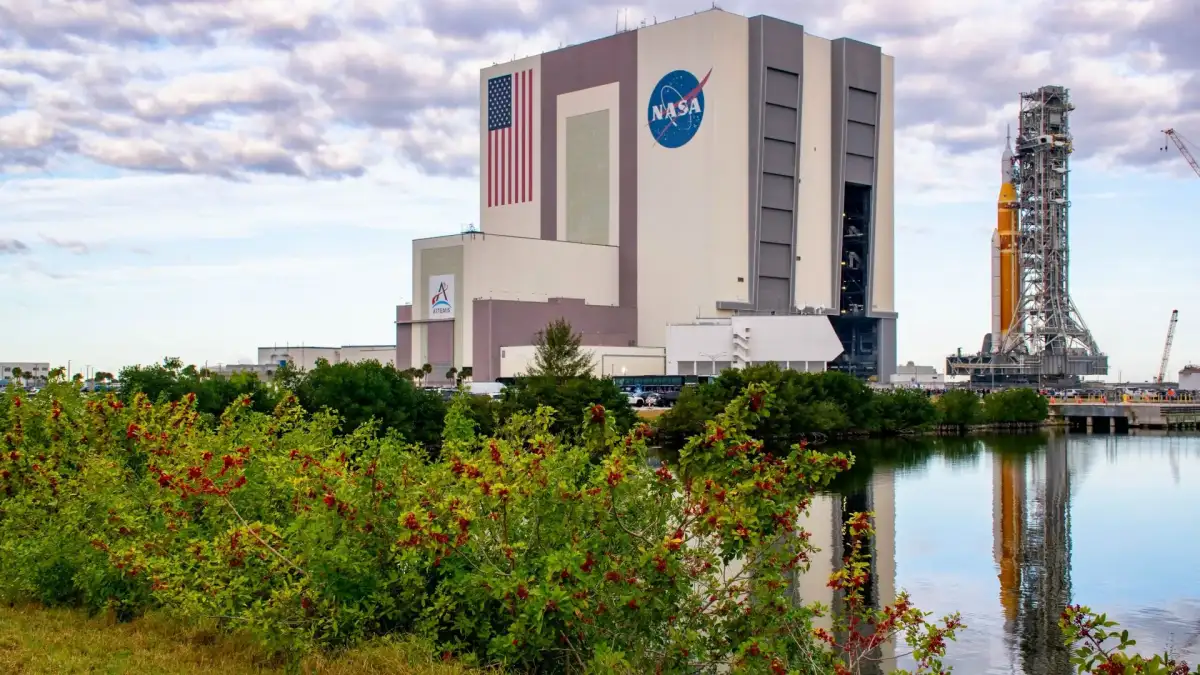
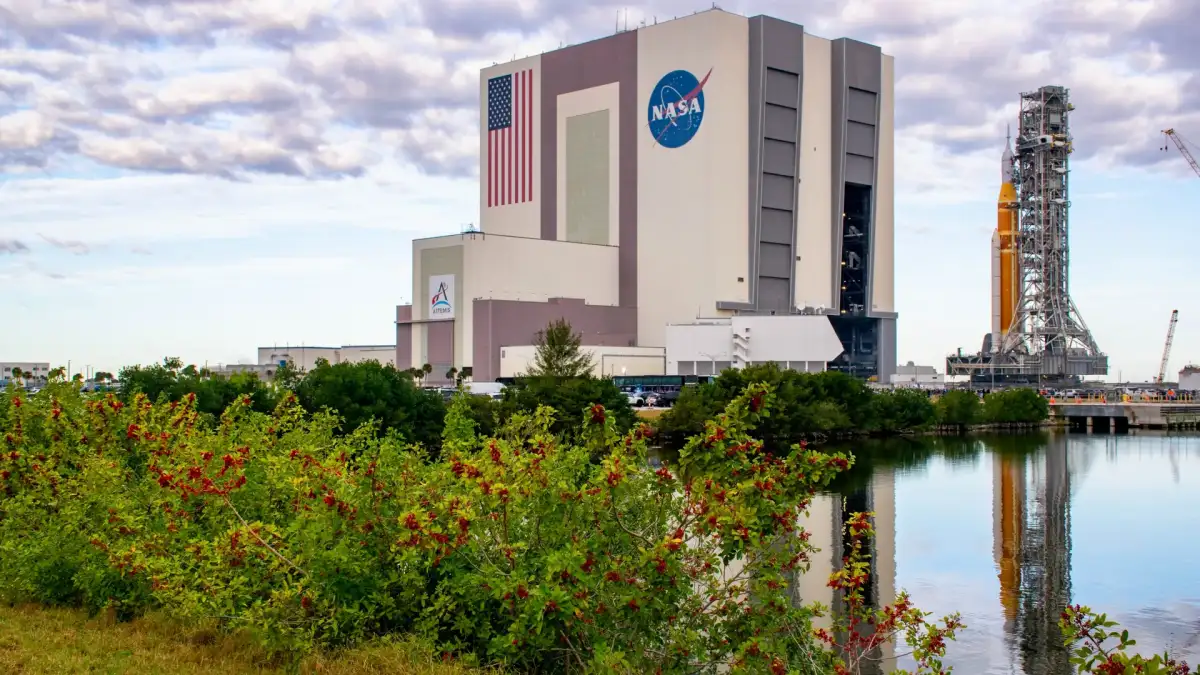
NASA finished a major test of its moon rocket late Thursday night. This test, called a "wet dress rehearsal," is used to see if the rocket can safely hold the cold fuel needed for flight. The result of this test is the main factor in deciding when four astronauts will fly around the moon. After a first attempt earlier this month failed due to fuel leaks, this second test was necessary to prove the hardware is reliable. Engineers filled the Space Launch System (SLS) rocket with over 750,000 gallons of fuel to simulate a real countdown.
The Timeline and Key Participants
The path to this test involved several weeks of technical checks and schedule changes.

January 31, 2026: NASA moved the first major fueling test up to this date to stay on schedule.
Early February 2026: The first fueling test was stopped when sensors found hydrogen leaks near the bottom of the rocket.
February 17, 2026: The team began a new "practice countdown" to prepare for a second attempt.
February 19, 2026: NASA completed the second fueling test at 8:30 p.m. EST.
The Crew: Commander Reid Wiseman and three other astronauts are waiting for the final data before their flight is confirmed.
Leadership: Jared Isaacman, recently appointed to a leadership role regarding the mission, is already looking at how to change the fuel parts before the next mission, Artemis III.
The second test was finished without the hydrogen leaks that stopped the first attempt.
Evidence From the Test Site
The following data points were recorded during the rehearsal at the Kennedy Space Center:
Read More: NASA Fuel Cell Test For Moon Energy Storage Successful

Fuel Volume: Workers pumped 750,000 gallons of super-cold liquid oxygen and hydrogen into the main rocket.
Secondary Stage: An additional 22,500 gallons of fuel were loaded into the upper part of the rocket.
Leak Sensors: During the second test, sensors did not find any "significant" leaks, which allowed the tanks to be filled completely.
Outcome: NASA officials declared the test "complete" but have not yet released the final data report.
"The clocks began ticking Saturday night, giving launch controllers the chance to go through all the motions and deal with any lingering problems." — Official Launch Record
Analyzing Technical Stability and Schedules
Hardware Reliability: Current Success vs. Future Changes
| Viewpoint A: Current Confidence | Viewpoint B: Future Redesign |
|---|---|
| Launch managers stated they are confident that the fuel leak issues from the first test are now solved. | Jared Isaacman has stated plans to redesign the fuel connections between the rocket and the pad. |
| The second test reached "full" status without major incident, suggesting the current parts work. | This suggests that while the parts worked this time, they may not be reliable enough for long-term use in the Artemis program. |
The Launch Window: March vs. Delayed Planning
The March Target: Some reports and engineers point to March 6, 2026, as the earliest possible day the astronauts could fly.
The Data Gap: NASA's official stance is that a launch date will not be chosen until all data from Thursday's test is studied.
The February Goal: Earlier plans suggested a launch as early as "Super Bowl Sunday" (February 8 or 9), but the need for a second fueling test pushed this date back.
Mission Scope: Artemis II vs. Artemis III
Artemis II: This mission will carry four astronauts around the moon. It is a "fly-around" and will not land on the lunar surface.
Artemis III: This later mission aims to land two people near the moon's south pole.
The Connection: The success of the current fueling test is a requirement for both missions, as they use the same SLS rocket design.
Expert Insight and Attributed Findings
NASA engineers and managers have expressed different levels of caution regarding the next steps.
Launch ManagementManagers stated they are satisfied with the second rehearsal. They noted that the rocket's tanks were "topped off" without the issues seen in the first attempt. This suggests the repairs made after the first leak were effective.
Leadership ObservationsJared Isaacman has provided a more critical view of the hardware. By promising to redesign fuel connections before Artemis III, he indicates that the current system might be difficult to maintain, even if it passed this specific test.
Investigative Question: Did the second test succeed because the leaks were fixed, or did the weather and temperature conditions simply allow the seals to hold better this time?
Final Report Findings
The investigation into the Artemis II fueling test reveals three main points:
Read More: Cult Actor Donald Gibb, 'Ogre' Star, Dies at 71 in Texas
The Test was a Success: Unlike the first attempt, the rocket was fully fueled, and the countdown reached its planned stopping point.
Dates Remain Fluid: While March 6 is a possible date, NASA is avoiding a firm commitment until the technical teams finish their review.
Infrastructure Concerns: There is an internal discussion about the long-term safety of the fuel connections, as shown by the plans for a future redesign.
Next Steps: NASA will now move the rocket back or begin the final launch countdown if the data confirms the rocket is healthy. A formal announcement of the launch date is expected within the next several days.
Sources Used
AP News: NASA conducts second rocket fueling test (Report on test completion and Isaacman's comments)
USA Today: NASA to rehearse Artemis 2 moon launch again (Context on the rehearsal process)
The Independent: NASA conducts crucial test to decide when Artemis will launch (Details on the Feb 2nd timeline and Super Bowl goals)
CBS News: Artemis II moon rocket refueled in practice countdown (Technical data on fuel gallons and leak sensors)
Space.com: NASA moves critical fueling test for Artemis 2 (Historical timeline of the test dates)
NewsBreak: NASA conducts 2nd rocket fueling test (Summary of mission importance)