


A Test Flight Gone Wrong
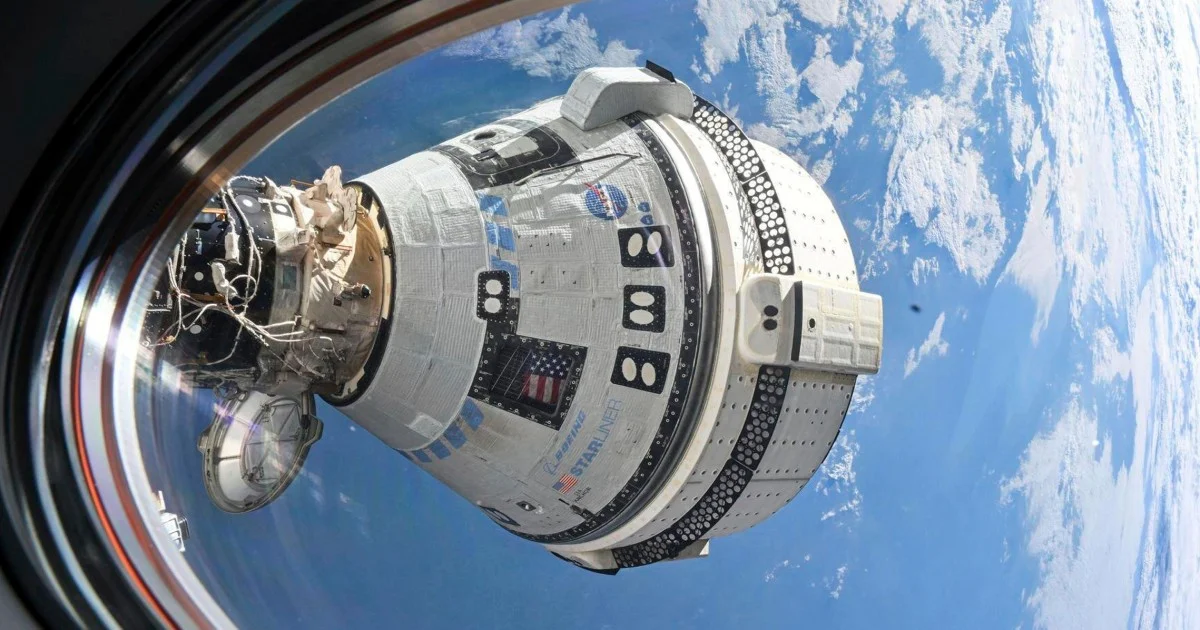
A recent test flight of Boeing's Starliner spacecraft ended with a serious failure, leaving two astronauts stranded for months aboard the International Space Station (ISS). The mission, intended to prove Starliner's readiness for regular crew transport, encountered significant issues during its approach to the station, leading to multiple thruster malfunctions. This incident has drawn sharp criticism from NASA Administrator Jared Isaacman, who pointed to systemic problems within both Boeing and NASA itself. The failed flight, classified as a "Type A Mishap" – the highest category for mission failure – has raised serious questions about safety standards and oversight in the program.
Events Leading to the Mishap
The Starliner mission's goal was to dock with the ISS for a short duration, approximately eight to 14 days, before returning astronauts Suni Williams and Butch Wilmore to Earth. This would have been the first crewed flight for Boeing's Starliner. However, problems began to surface as the spacecraft neared the ISS.
Read More: NASA and Boeing Starliner Mission Errors Led to Astronaut Danger and 9-Month Delay

Thruster Malfunctions: Multiple thrusters on the Starliner spacecraft failed during its approach, preventing a smooth docking.
Extended Stay: The crew, Suni Williams and Butch Wilmore, were unable to return as planned due to the thruster issues. They remained on the ISS for approximately nine months.
Return Via SpaceX: The astronauts eventually returned to Earth aboard SpaceX's Crew Dragon capsule, after their planned mission duration far exceeded initial expectations.
Findings of the Independent Review
An independent review into the Starliner's failure has highlighted a combination of technical faults, leadership shortcomings, and cultural issues within both organizations.
Hardware Failures: The review flagged issues with the spacecraft's hardware.
Leadership Missteps: Both Boeing and NASA were found to have made poor decisions and demonstrated weak leadership.
Cultural Problems: Investigators noted cultural issues at both organizations that contributed to the situation falling short of safety standards.
Inadequate Testing and Oversight: The report detailed insufficient testing of Starliner systems and a lack of proper oversight by NASA on Boeing's work.
Communication Breakdowns: Issues with communication between Boeing and NASA were also identified as a contributing factor.
NASA's Response and Future Steps
NASA Administrator Jared Isaacman has been vocal in his criticism, placing significant blame on both Boeing and his own agency.

"We're going to hold ourselves accountable. We're going to hold Boeing accountable." - Jared Isaacman
Isaacman stressed that no further crewed flights will take place on Starliner until the identified technical issues are fully understood and resolved.
Corrective Actions: NASA plans to implement corrective actions based on the investigation's findings.
Stricter Standards: The propulsion system must be fully qualified, and all investigation recommendations must be put into practice before another crew flies.
Continued Partnership: Despite the severe criticism, NASA intends to continue working with Boeing to make Starliner a reliable transportation system, emphasizing the importance of competition and redundancy for accessing low Earth orbit.
Expert Analysis and Implications
The failure of the Starliner test mission carries significant weight, particularly given its classification as a "Type A Mishap," placing it among the most serious mission failures in NASA's history.

"The findings were damning for both Boeing and NASA, describing inadequate testing, breakdowns in communication and leadership failings on both sides." - NBC News Report
The extended stay of astronauts Williams and Wilmore on the ISS underscores the gravity of the situation. The report suggests that the problems were not isolated incidents but rather indicators of deeper issues in how complex space missions are managed and overseen. The implications extend to the reliability of future crewed spaceflight endeavors and the critical relationship between NASA and its commercial partners. The fact that astronauts eventually returned on a vehicle from a competing company, SpaceX, further highlights the operational challenges faced.
Read More: NASA Calls Boeing Starliner 2024 Mission a Major Failure and Plans Management Changes
"The investigation found multiple failures of decision-making and leadership on the part of both the agency and the contractor." - NPR Illinois Report
The retirement of both astronauts Suni Williams and Butch Wilmore after their ordeal marks a personal consequence of the mission's shortcomings.
Conclusion and Next Steps
The independent review has presented a stark picture of the factors contributing to the Boeing Starliner test mission's failure. NASA Administrator Jared Isaacman's strong stance underscores the severity of the identified shortcomings in leadership, oversight, and technical execution at both Boeing and NASA. The classification of the event as a "Type A Mishap" signals a critical juncture for the Starliner program and potentially for NASA's partnerships.
Moving forward, the agency's commitment to thorough correction of technical issues and implementation of investigative recommendations is paramount before further crewed flights are authorized. The incident serves as a reminder of the inherent risks in space exploration and the need for rigorous standards and accountability in all phases of mission planning and execution. The path forward for Starliner hinges on NASA's assurance that the vehicle can meet the highest safety standards, a promise underscored by Isaacman's explicit statement that no more crews will fly until these concerns are definitively addressed.
Read More: NASA Report: Boeing Starliner Mission Failures Stranded Astronauts for Months
Used Sources:
NPR Illinois: Published 43 minutes ago. Covers Administrator Isaacman's criticism of Boeing and NASA, the "Type A Mishap" classification, and the astronauts' extended stay. https://www.nprillinois.org/2026-02-19/nasa-chief-blasts-boeing-space-agency-for-failed-starliner-astronaut-mission
BBC News: Published 26 minutes ago. Reports on Isaacman's strong statements, the long duration astronauts spent in space, and flagged hardware failures, leadership missteps, and cultural problems. https://www.bbc.com/news/articles/cm2x3nlxg9jo
CBS News: Published 2 hours ago. Details Isaacman's rebukes, the "Type A" mishap conclusion, and NASA's stance on not flying another crew until issues are corrected. https://www.cbsnews.com/news/nasa-chief-critical-over-problem-plagued-starliner-mission-independent-review/
AP News: Published 5 hours ago. Focuses on Isaacman's criticism of Boeing and NASA managers for the botched flight and the need for issues to be understood and fixed. https://apnews.com/article/boeing-starliner-nasa-space-station-d9cc3e080dc71df39992f186ce1fbefe
NBC News: Published 2 hours ago. Describes the report's "damning picture," including inadequate testing, communication breakdowns, and leadership failings, and mentions the astronauts' retirement. https://www.nbcnews.com/science/space/nasa-report-damning-picture-boeing-starliner-mishap-astronauts-rcna259792
Scientific American: Published 4 hours ago. Highlights Isaacman's emphasis on accountability and how miscommunication and lax oversight contributed to life-threatening failures, comparing it to deadly space shuttle disasters. https://www.scientificamerican.com/article/nasa-says-a-litany-of-failures-led-to-2024-boeing-starliner-astronaut/

