


A new film, "Shatak," has been released, aiming to depict the history and nation-building efforts of the Rashtriya Swayamsevak Sangh (RSS). Released with several reviews surfacing simultaneously, the film appears to focus on the organization's legacy, its founders, and the contributions of its members over its century-long existence. Reviews suggest the film endeavors to highlight the struggles and achievements associated with the RSS, framing it as a significant force in India's socio-political landscape. However, critical reception indicates a divergence in how effectively the film conveys its message and its historical portrayal.
Film's Scope and Subject Matter
"Shatak," directed by Aashish Mall, is presented as a tribute to the RSS's centennial legacy. The film delves into the vision of its founder, often referred to as "Doctorji" or K.B. Hedgewar, and aims to showcase how an ideological movement, initially focused on cultural awakening and character building, has influenced future leaders in India's governance. The production credits include Vir Kapur and Aashish Tiwari as producers, Anil Dhanpat Agarwal for the concept, and Nitin Sawant, Rohit Gehlot, and Utsav Dan as writers. The film has a duration of 112 minutes.
Read More: Shatak Film Shows 100 Years of RSS and Nation Building
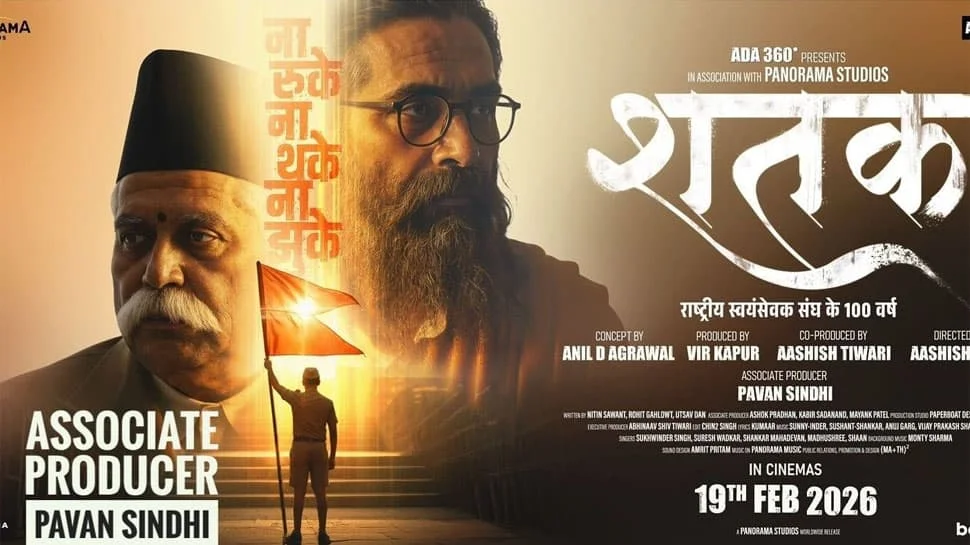
The film chronicles the RSS's journey, highlighting its role in India's nation-building narrative and the dedication of ordinary individuals.
Thematic Elements in "Shatak"
Reviewers generally agree that "Shatak" attempts to tell a story of conviction, courage, and nation-building.

Nation-Building Narrative: Multiple reviews emphasize that the film goes beyond mere organizational history to focus on India's broader nation-building moments. It is seen as honoring both the RSS and the people whose dedication contributed to shaping the nation.
Human Stories and Emotional Resonance: The film's focus on the human element within historical events is frequently mentioned. It aims to transform historical accounts into relatable experiences, showcasing the responsibilities borne by leaders and the personal sacrifices of volunteers.
Historical Figures and Ideals: The film touches upon the involvement of figures like Mahatma Gandhi and historical leaders such as Bhagat Singh and Lokmanya Tilak in its narrative concerning the RSS's origins and its alignment with certain nationalist sentiments.
"Shatak" aims to portray the RSS's century-long journey, emphasizing its contribution to India's development through the lens of individual experiences.
Critical Perspectives on "Shatak"
While the film's intent and thematic aspirations are acknowledged, critical assessments reveal a spectrum of opinions regarding its execution and portrayal.
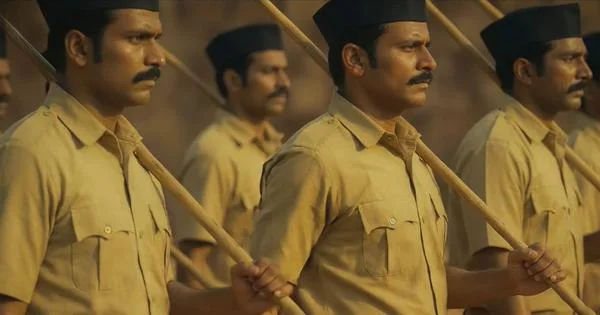
Praise for Intent and Authenticity: Some reviews laud the film's ambition, realism, and authenticity in depicting the RSS's journey and the dedication of its members. The concept behind the film is seen as approached with care, aiming for a comprehensive look at the organization's history and impact.
Critiques of Execution and Depth: Other reviews suggest that while the film shines in its intent, it stumbles in execution. Specific criticisms point to the film potentially being a "recruitment video" or a "pat on the back," implying a lack of critical distance. Questions are raised about whether the film does full justice to the RSS's legacy and whether it addresses potentially controversial aspects.
Omissions and "Hard Questions": One review suggests that the film, while polished, skips over "hard questions." The narrative is described as being "dipped in shades of saffron," and one interpretation notes that Mahatma Gandhi, initially skeptical, is depicted as warming to the Sangh's nobility, a point that might invite further analysis.
Reviews present a mixed picture, acknowledging the film's effort to highlight the RSS's historical significance while also noting potential shortcomings in its critical depth and execution.
Read More: Rahul Gandhi Appears in Sultanpur Court for 2018 Defamation Case Against Amit Shah
Expert and Media Analysis
Media outlets have offered distinct interpretations of "Shatak."
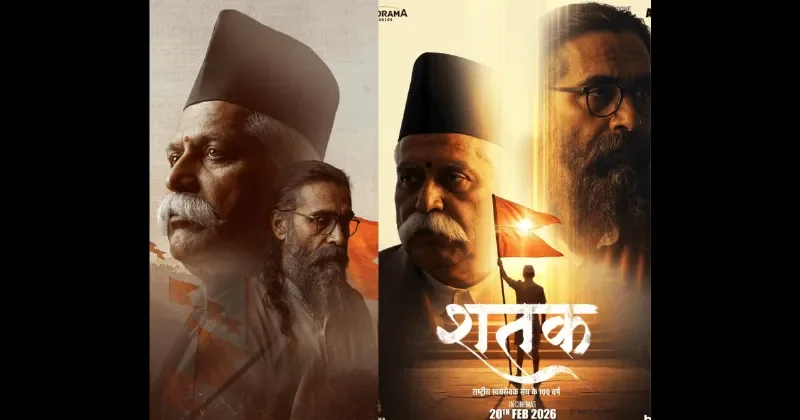
Bollywood Life describes the film as chronicling the "hard-earned victories and humbling hard times" of the RSS with "realism and authenticity," rating it 4 out of 5.
India Today finds the film "ambitious" but notes it "shines in intent, stumbles in execution," suggesting it explores the "hidden struggles of unsung national leaders" involved in the RSS's formation.
Zee News hails "Shatak" as a "masterclass in storytelling, historical insight, and emotional resonance," emphasizing its focus on the human story behind India's influential Sangh.
Scroll.in presents a more critical view, labeling the film a "recruitment video" and a "pat on the back," and suggesting its narrative presents Hedgewar as uniting Hindus against "British oppressors and the community’s historical enemy, the Muslims."
Moneycontrol views "Shatak" as a "polished AI-CGI tribute" that "skips the hard questions," indicating a polished but perhaps superficial treatment of the subject.
India.com calls it a "moving tribute" that makes history feel "personal" and an "experience" rather than just a history lesson.
The film's reception is varied, with some outlets praising its emotional impact and historical narrative, while others critique its one-sided portrayal and lack of critical inquiry.
Conclusion
The film "Shatak" has generated considerable discussion, primarily centered on its portrayal of the Rashtriya Swayamsevak Sangh and its role in India's nation-building narrative. While proponents highlight its focus on human stories, historical insight, and the conviction of its members, critics question its execution and suggest it may present a selectively positive account, potentially overlooking complex historical debates. The film's reception indicates it serves as a significant cultural artifact, sparking conversation about historical memory and the representation of influential organizations in cinema. The various interpretations underscore the differing perspectives on the RSS's legacy and its impact on India.
Read More: John Turturro's New Film 'The Only Living Pickpocket in New York' Shows His Leading Man Talent
Key Production Personnel:
Director: Aashish Mall
Producers: Vir Kapur, Aashish Tiwari
Concept: Anil Dhanpat Agarwal
Writers: Nitin Sawant, Rohit Gehlot, Utsav Dan
Notable Themes:
RSS Centenary Legacy
Nation-Building
Ideological Movement
Character Building
Human Stories in History
Sources Used:
Bollywood Life: https://www.bollywoodlife.com/reviews/shatak-review-the-undeniable-courage-and-conviction-of-sangh-3320240/
Scroll.in: https://www.scroll.in/reel/1090871/shatak-review-the-rss-gives-itself-a-centenary-gift
Newkerala.com: https://www.newkerala.com/news/a/shatak-movie-review-century-conviction-courage-nation-building-375.htm
)


