
The disruption of our internal body clocks, caused by the annual shift to Daylight Saving Time, is increasingly linked to negative health outcomes. The misalignment between our biological rhythms and the imposed clock time can lead to persistent sleep problems, with research indicating a cumulative sleep loss effect that fragments rest for days, or even weeks, following the spring transition. This artificial imposition on our natural cycles, particularly the loss of an hour's sleep, appears to disproportionately affect those with already disrupted sleep patterns, such as shift workers, who face even shorter lifespans on average.
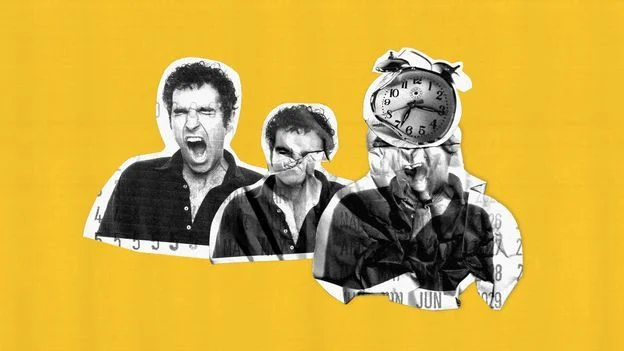
The very act of "springing forward" throws our internal systems into disarray. Our bodies, attuned to a natural rhythm, are suddenly forced to adjust to an hour that feels like an hour earlier, yet the clock dictates otherwise. This temporal disconnect doesn't just cause a temporary grogginess; it seems to embed itself, creating a period of significant sleep disturbance. The effect is not a fleeting inconvenience but a sustained assault on our well-being, as the body struggles to recalibrate to the new, albeit artificial, schedule.
Read More: India IVF Costs And Social Barriers Limit Access In April 2026
The annual debate surrounding the elimination of this time change resurfaces with predictable regularity, yet the practice persists. This cycle of discussion, often accompanied by explanations of the time change's history and its health implications, seems to lead nowhere. The promise of darker mornings coupled with extended evening light—the supposed benefits of this temporal manipulation—comes at a cost, a cost paid in disrupted sleep and a compromised sense of well-being for an indeterminate period.

A Deeper Dive into the Disruption
The research points towards a fundamental incompatibility between the imposed temporal shifts and our innate biological timing. The hour "lost" in the spring isn't simply a matter of adjusting an alarm; it’s an hour our internal clocks don't recognize, leading to a deficit that the body struggles to recoup. This forced temporal rupture appears to have tangible consequences, contributing to a general sense of unease and impacting daily functioning. The effects are not uniform, with certain populations experiencing more profound and lasting impacts from this yearly ritual.
Read More: Nations Championship rugby starts 7 April 2026 with new point system
Background Echoes
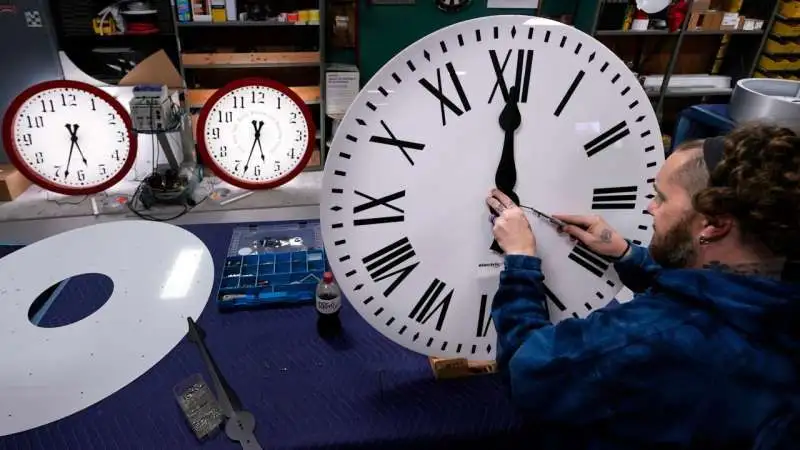
Daylight Saving Time, a practice with roots in various historical attempts to maximize daylight hours, has become a recurring point of contention. While its origins often cite efficiency or resource-saving motives, contemporary discussions increasingly focus on its deleterious effects on public health. The persistence of this system, despite growing evidence of its detrimental impact, raises questions about the prioritization of societal norms over individual well-being. The cycle of "springing forward" and "falling back" continues, a testament to entrenched habits that resist re-evaluation in the face of emerging scientific understanding.