


Kettles and Tea Bags Eject Billions of Tiny Plastics
New research casts a stark light on the hidden contaminants lurking in our hot beverages, particularly tea. Scientists have identified that common household items, namely plastic kettles and certain types of tea bags, can release billions of nano- and microplastic particles into our drinks during the brewing process. The sheer volume of these particles, particularly from new plastic kettles during their initial boils, is a significant source of daily human exposure to these materials. While the long-term health implications remain a shadowy unknown, the presence of these plastics, even within cell nuclei, raises immediate concerns for public health and food safety.

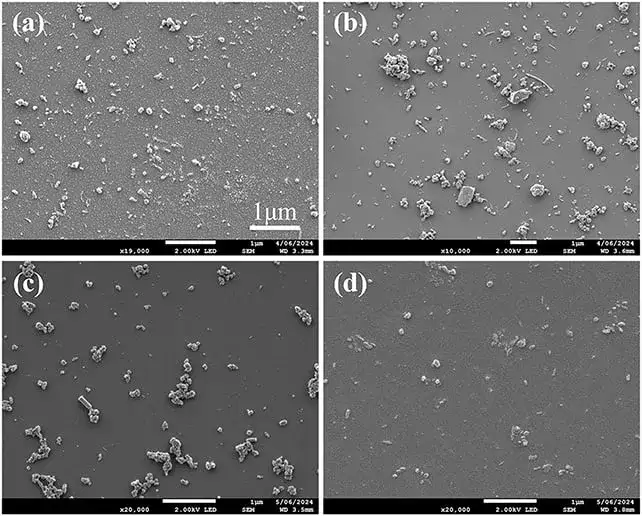
Plastic kettles, especially when new, are identified as major offenders. One study indicates that the first boil in a new plastic kettle can eject up to 3 billion nanoplastic particles into a single cup of tea or coffee. This particle release continues, albeit at reduced levels, even after numerous uses, with detectable amounts still present after 150 boils. Similarly, specific tea bags, often constructed from polymers like nylon-6, polypropylene, and cellulose, have been shown to release millions of nanoplastics. Advanced analytical techniques, including electron microscopy and various spectroscopy methods, have been employed to characterise these pervasive pollutants.
Read More: Asian Tiger Mosquito Found in Bamaga Queensland on 16 May 2026

Researchers have proposed methods to mitigate this plastic influx. Boiling and discarding water a few times before preparing a hot drink in a new plastic kettle can reduce the concentration of particles. Interestingly, the use of hard tap water has been observed to significantly lower the amount of plastic particles released from kettles. Beyond kettles, investigations into the plastic content of tea bags themselves have revealed substantial releases, prompting scientists to call for greater transparency and consumer warnings. The widespread consumption of tea, especially in nations like Britain, means this is not a niche issue but a pervasive daily ingestion for millions.
Read More: Climate Change Makes Storm Forecasts Harder

The full spectrum of health impacts from chronic exposure to these microplastics is still largely uncharted territory. However, preliminary findings suggest potential issues. Studies have indicated that these particles can accumulate in human tissues and cells, with some research linking them to adverse health effects, including potential links to lung and colon cancer. The uptake of these particles by intestinal cells, and even their entry into the cell nucleus, highlights a worrying biological interaction that warrants further, intensive investigation.
In light of these findings, the advice leans towards practical alterations in household habits and appliance choices. —Switching to kettles made from materials like glass or stainless steel is suggested as a direct way to bypass the plastic particle contamination from this source.— The ongoing increase in the use of plastics in food packaging across industries underscores the urgency of addressing microplastic contamination to safeguard public health. Further research is planned to explore the role of appliance age and test a broader range of kitchen equipment.
Read More: Seychelles Travel Alert: CDC Warns of Chikungunya Virus Spread


