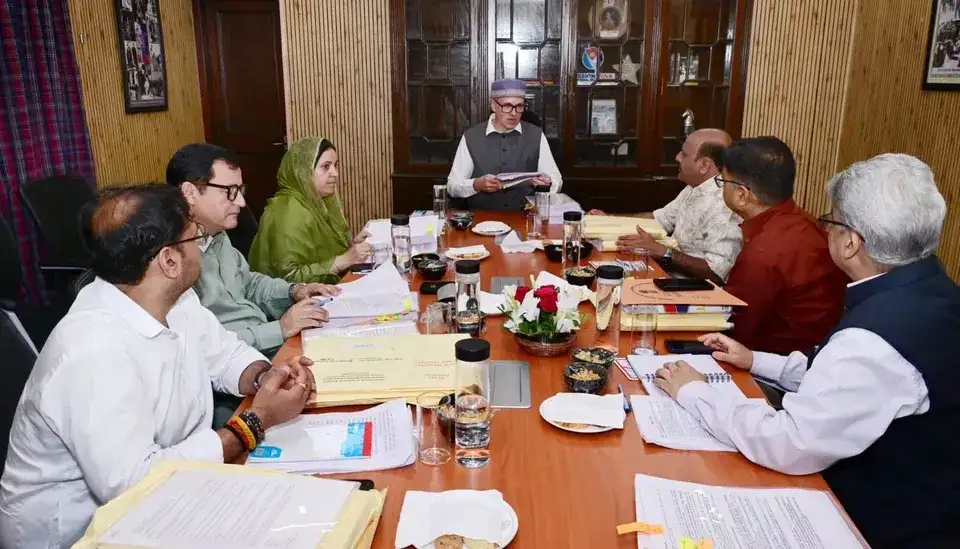
SRINAGAR - Officials in Jammu and Kashmir have greenlit a suite of power infrastructure projects totaling ₹93 crore. The approvals, sanctioned during the recent sixth meeting of the Council of Ministers, are primarily aimed at enhancing the electricity grid in Srinagar and surrounding areas.
The core of these investments focuses on bolstering the Zainakote Grid Sub Station, escalating its capacity from 450 MVA to 780 MVA. This augmentation comes with a significant price tag of ₹67.66 crore. Alongside this, ₹25.47 crore has been allocated for the crucial upgradation of the 132 KV Pampore-Rawalpora and Rawalpora-Bemina transmission lines.

These twin initiatives are intended to reinforce the region's power transmission capabilities, reduce instances of power interruptions, and critically, meet the escalating electricity demands, particularly during peak usage times. The projects signal a move towards a more stable and reliable energy supply for the populace.
Read More: Solaris Energy SEI Stock Price Forecast Reaches $91.98 by July 2027
Project Breakdown and Objectives
The approved package consolidates several key upgrades. The augmentation of the Zainakote Grid Sub Station represents a substantial investment in centralizing and increasing power handling capacity. This facility is a key node for power transmission within Srinagar.
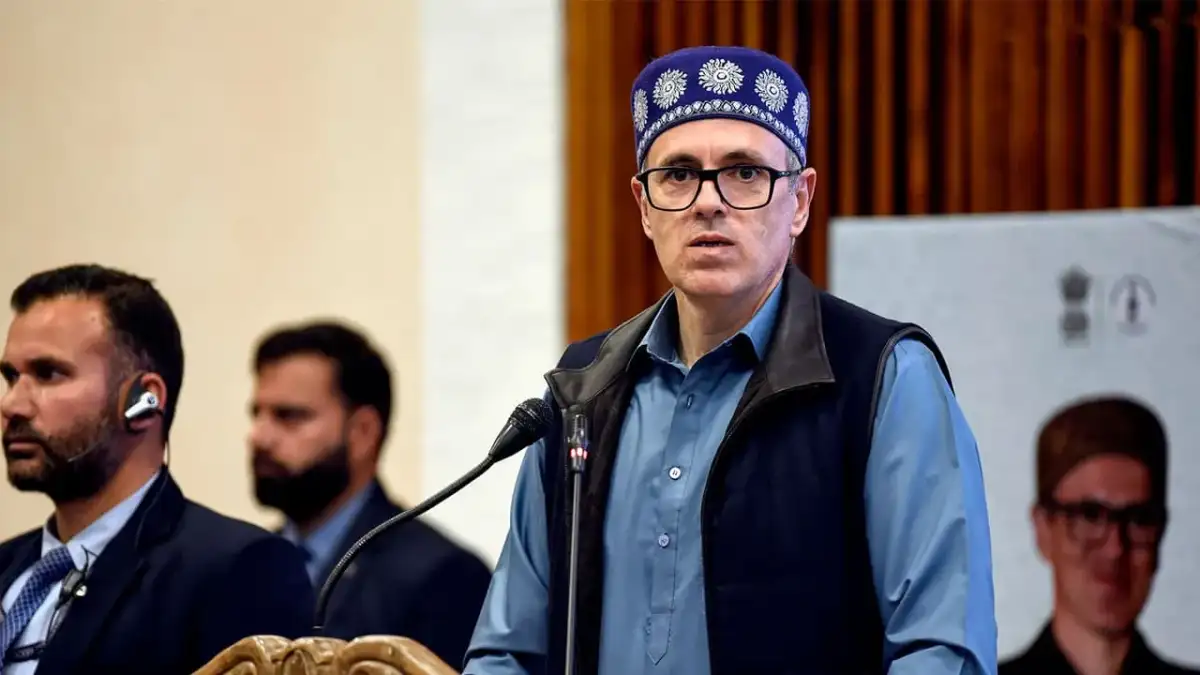
The accompanying transmission line upgrades, involving the 132 KV network, are standard for facilitating bulk power transfer and ensuring robust grid connectivity across the region. Together, these projects aim to achieve a more efficient electricity distribution network.
Background: A Region's Growing Needs
Jammu and Kashmir, like many developing regions, faces persistent challenges in maintaining consistent and adequate power supply. Aging infrastructure and increasing consumption patterns often strain the existing grid. Investments in substations and transmission lines are a common response to these pressures, seeking to balance supply with demand and minimize disruptions that can impact daily life and economic activity. The approval by the Council of Ministers, under the leadership of Chief Minister Omar Abdullah, underscores the administrative recognition of these infrastructure needs.
Read More: Summer AC Settings: Save Money by Raising Thermostat