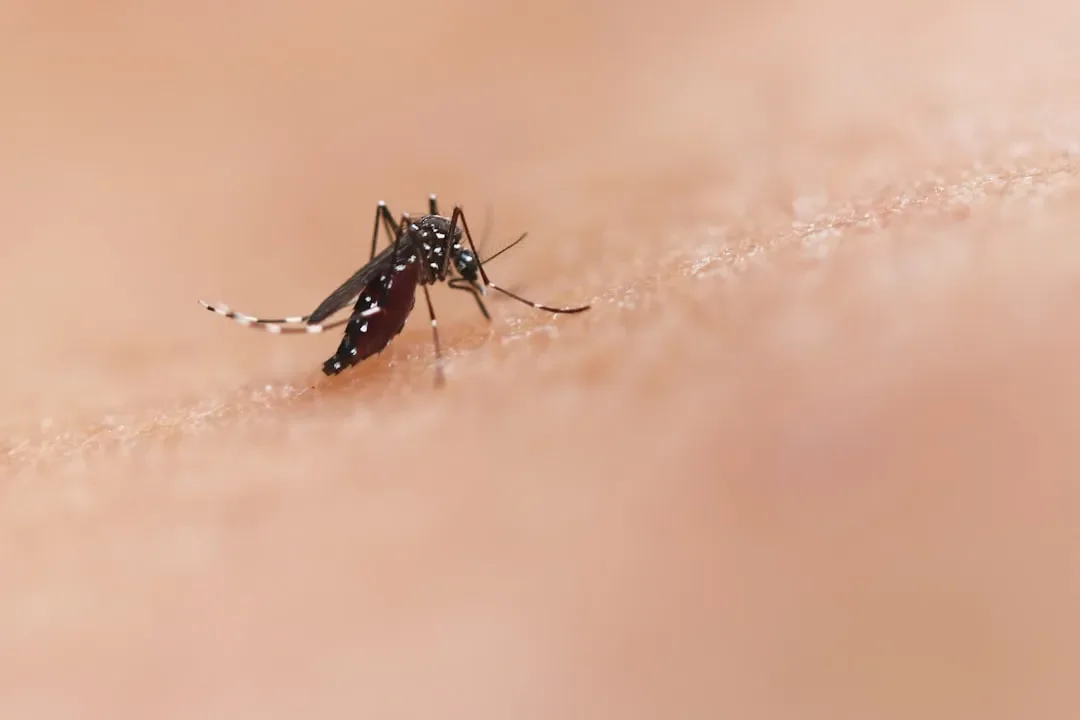
Six individuals of the invasive Asian tiger mosquito, Aedes albopictus, have been identified on a farm in Bamaga, Far North Queensland. This marks the first confirmed detection of the species on mainland Australia, outside of previous findings at ports and offshore islands. The discovery, made during routine monitoring, has triggered an urgent alert from health authorities and prompted immediate eradication efforts.
Health and Biosecurity Alarms Raised
The arrival of this mosquito, dubbed a 'super pest' and 'barbecue stopper', carries significant implications for public health and Australia's biosecurity defenses. The species is a known vector for diseases such as dengue fever, Zika virus, and chikungunya. Its presence away from established entry points like ports suggests a potential breach of existing containment strategies. Officials are preparing to launch widespread spraying operations across the Cape York Peninsula in an attempt to contain and eliminate the pest.
Read More: Seychelles Travel Alert: CDC Warns of Chikungunya Virus Spread

A Familiar Invader, Now on New Soil
The Asian tiger mosquito, native to Southeast Asia, has a history of spreading globally through international travel and trade. It has established itself across parts of Europe, the Americas, Africa, and the Pacific. The species is distinguishable by its small size (around 4 millimetres) and a characteristic black and white striped pattern, including a distinct white line down its back. They are known for their aggressive biting behaviour, often occurring during daylight hours.

Experts note that the geographical expansion of this mosquito is likely exacerbated by changing environmental conditions. The increasing year-round tropicality in northern regions poses a greater risk, potentially rendering biosecurity measures designed for cooler climates less effective.

Scientific Efforts and Future Concerns
Previous research has explored various methods for controlling the Asian tiger mosquito, including the development of genetically modified male mosquitoes designed to suppress female offspring. Such 'environmentally friendly' and 'pesticide-free' approaches have been investigated as scalable solutions. The current situation underscores the persistent challenge of preventing the establishment of invasive species, particularly as global trade and travel continue to evolve. The detection raises questions about the efficacy of current biosecurity protocols in the face of increasingly interconnected and climatically shifting environments.
Read More: Survivor Houri Gets Australian Citizenship After Disaster