FLASH: A fragile two-week ceasefire between the United States...
A fragile two-week ceasefire between the United States and Iran is under considerable strain, marked by continuing Israeli strikes in Lebanon and Iran's closure of the vital Strait of Hormuz. Newly installed Iranian Supreme Leader Mojtaba Khamenei has declared a declaration of "victory" over the US and Israel, even as his nation warns of retribution for continued attacks. Peace talks, however, are slated to commence in Islamabad, Pakistan, on Saturday, with US Vice President JD Vance set to lead the American delegation.
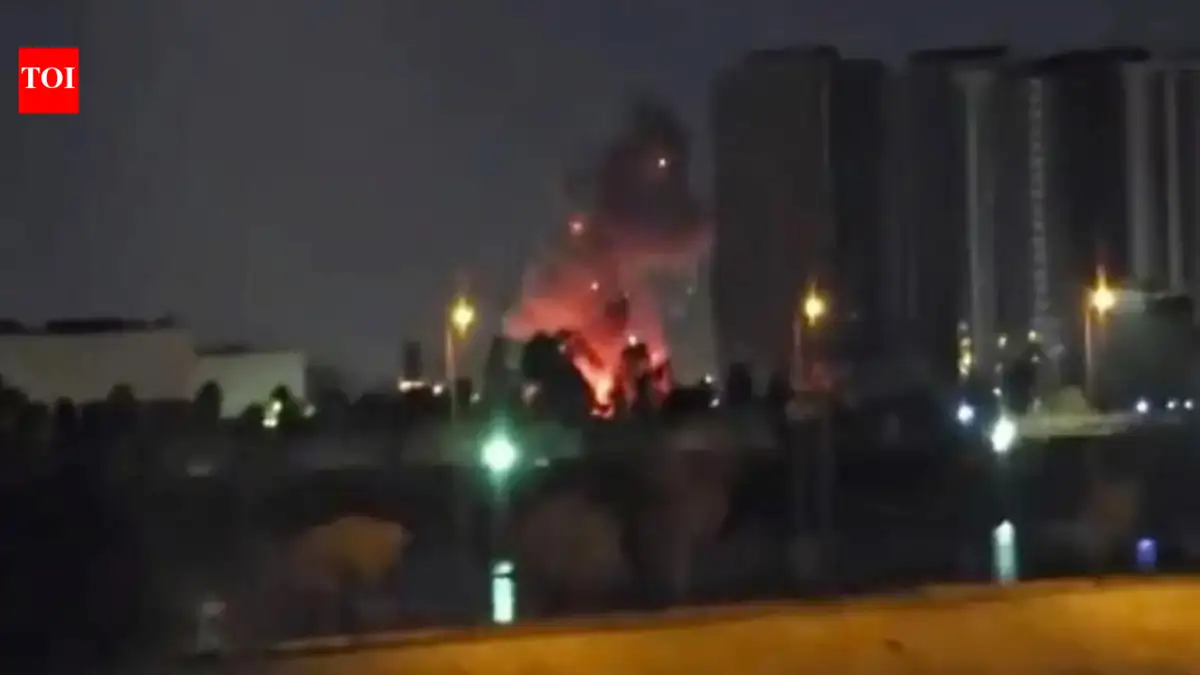
The core tension revolves around the inclusion, or exclusion, of Lebanon in the ceasefire. Israel, while engaging in direct talks with Beirut concerning Hezbollah, maintains no truce is in effect with the Lebanese militant group. Iran and Pakistan, however, appear to have understood the ceasefire to encompass Lebanon, leading to Iranian accusations of a "grave violation." This discrepancy is a significant hurdle for any lasting de-escalation.
UPDATE: HORMUZ STALEMATE AND FUEL CONCERNS

The closure of the Strait of Hormuz, a critical global oil chokepoint, continues to elevate tensions. Iran has halted shipping, citing mine risks, and has proposed alternate transit routes. This disruption has had an immediate impact on global markets, with oil prices rebounding and concerns rising over fuel supply. Australian Prime Minister Anthony Albanese is reportedly in Singapore to discuss bolstering fuel supplies, highlighting the widespread economic implications of the Hormuz closure.
LATEST: DIVERGENT RHETORIC AND DIPLOMATIC EFFORTS

While Mojtaba Khamenei asserts Iran seeks "compensation, not war" and "does not want war," his rhetoric also includes defiance, with claims of control over the Strait of Hormuz and a pledge to avenge "martyrs." Conversely, former US President Donald Trump has accused Iran of failing to honor the ceasefire and has railed against any suggestion of Iran imposing tolls on the strait. He also reiterated his stance on preventing Iran from acquiring nuclear weapons.
JUST IN: BACKGROUND DYNAMICS

Other international players are actively engaging. Russia has urged the inclusion of Lebanon in the ceasefire, warning that continued Israeli strikes could derail negotiations. European leaders echo this sentiment. Canada has condemned Israel's bombing of Lebanon. Meanwhile, Spain plans to reopen its embassy in Iran following the truce.
The current precarious situation follows a period of intense conflict that saw hundreds killed in Lebanon due to Israeli strikes targeting Hezbollah. Lebanon's presidency has insisted on a ceasefire before entering into direct negotiations with Israel. Hezbollah itself has rejected direct talks with Israel.
The diplomatic landscape is complex, with nations like...
The diplomatic landscape is complex, with nations like Pakistan playing a role as mediators. However, an Israeli envoy has questioned Pakistan's suitability as a "credible player" in US-Iran talks. Nato Secretary General Mark Rutte has reportedly expressed disappointment with some allies' actions to US President Trump.
The conflict has also raised global economic alarms, with the IMF, World Bank, and WFP warning of a potential surge in global food prices due to energy disruptions.