Global oil prices have climbed again, reversing earlier dips, as skepticism mounts over a proclaimed ceasefire between the United States and Iran. This volatility is directly linked to recent Israeli strikes in Lebanon, which have ignited renewed fears of broader conflict and potential disruptions to energy supplies. The Strait of Hormuz, a critical chokepoint for global oil and gas transit, has reportedly been closed by Iran once more.
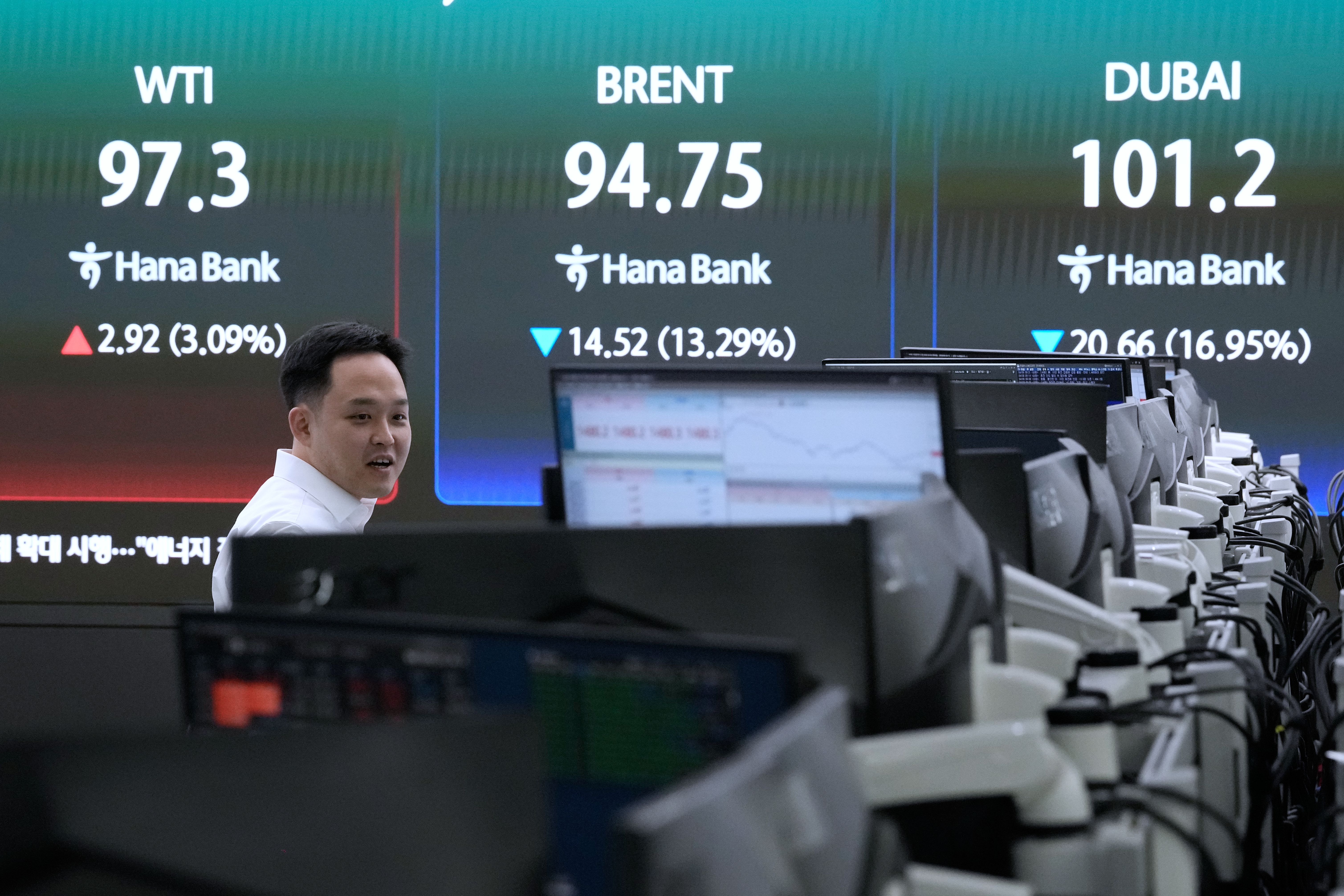
The market's response highlights a deep-seated unease regarding the stability of any truce, with recent events casting significant doubt on its longevity. Analysts are closely monitoring developments, particularly whether this fragile accord can withstand the immediate aftermath of the attacks in Lebanon, which have resulted in numerous casualties.

Oil prices had previously fallen on Wednesday following an announcement of a pause in hostilities and the prospect of reopening the Strait of Hormuz. However, this optimism proved short-lived. Reports suggest Iran has closed the waterway again, directly in response to perceived ceasefire violations and the events in Lebanon.
Read More: Solaris Energy SEI Stock Price Forecast Reaches $91.98 by July 2027

Geopolitical Uncertainty Fuels Price Hikes
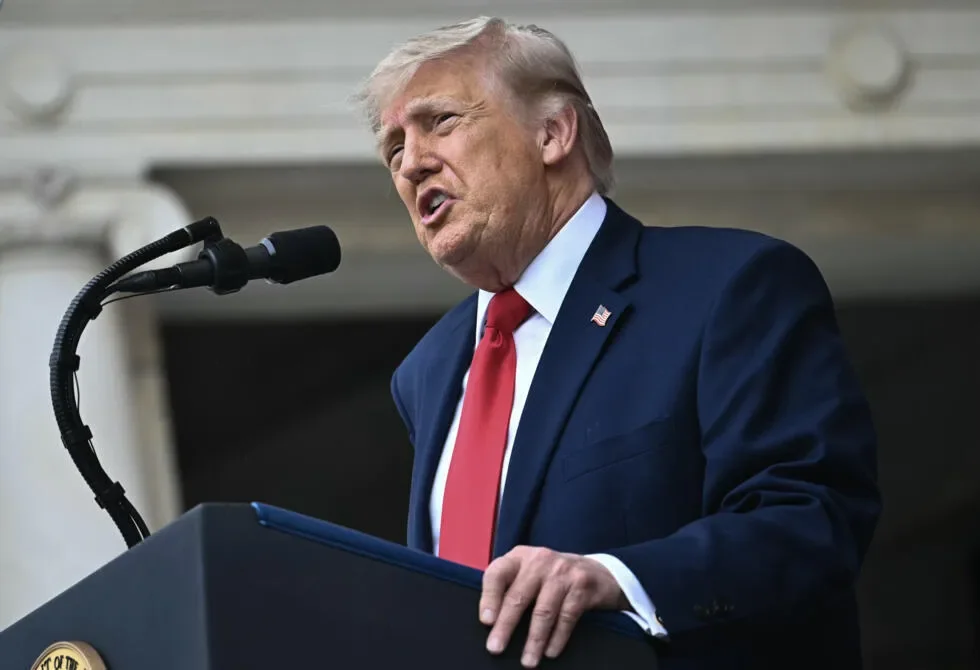
Further compounding market anxieties are recent statements and actions by US President Donald Trump. His vow of potential escalation in the Iran conflict, coupled with threats against Iranian infrastructure, has contributed to a significant risk premium on crude oil.

These pronouncements, made within the last few weeks, have fueled expectations of prolonged disruptions to energy flows through the Strait of Hormuz.
The situation has been exacerbated by direct attacks on energy facilities in the Arab Gulf states, including the suspension of operations at Abu Dhabi's largest natural gas processing facility and a fire at Kuwait's Mina Al Ahmadi oil refinery.
Broader Economic Ripples
The fluctuations in oil prices are not confined to the energy sector. World shares have also seen retreats, indicating a broader investor caution.
Asian stocks, in particular, have experienced downturns.
Beyond oil, prices for gold and silver have also seen a decline during this period of heightened geopolitical stress.
The sustained rise in oil prices is also expected to contribute to global inflation. Projections suggest that a continued increase in oil costs could lead to a significant uptick in producer prices in economies like China. This inflationary pressure is anticipated to spread across the globe, affecting the United Kingdom and the eurozone if higher oil prices persist.
Read More: Iran Warns Gulf States After U.S. Naval Clash
Background: A History of Volatility
The conflict involving the US, Israel, and Iran has been a persistent factor in energy markets for some time. Since the outset of the US-Israel war against Iran, traffic through the Strait of Hormuz, which previously handled a fifth of the world's oil and gas, has been severely impacted. Previous announcements by President Trump regarding potential military actions and discussions with Tehran have historically created oscillating market sentiment, leading to both sharp price increases and subsequent drops as investors react to perceived shifts in de-escalation or escalation.
'Iran war' [Keywords]'Oil prices' [Keywords]'Strait of Hormuz' [Keywords]'US-Iran ceasefire' [Keywords]