Inflation Expectations Show Resilience Amidst Oil Disruptions
A recent analysis from the Federal Reserve Bank of Dallas indicates that inflation expectations in the United States are likely to remain relatively stable, even with significant disruptions to oil supplies through the Strait of Hormuz. The research suggests that while immediate price hikes are expected, a lasting shift in how consumers and businesses anticipate future inflation is improbable. This offers a measure of reassurance to Federal Reserve policymakers who are wary of inflation expectations becoming "unmoored."
The Dallas Fed study found that a closure of the Strait of Hormuz, a critical chokepoint for global oil transport, could lead to a short-term boost in inflation, but would likely have a "modest" and "negligible" effect on inflation expectations in the longer term.
Oil Price Jitters and Core Inflation Impact
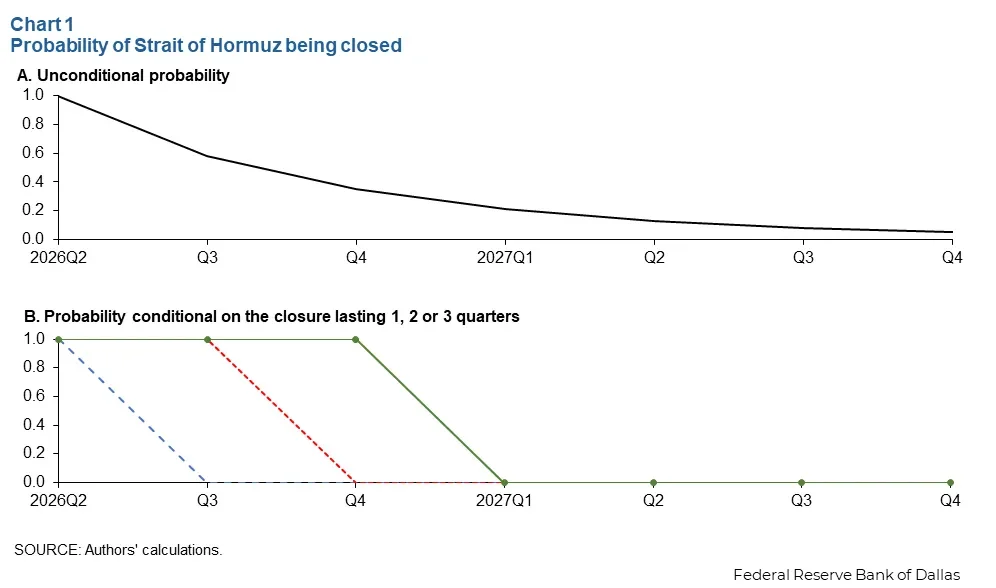
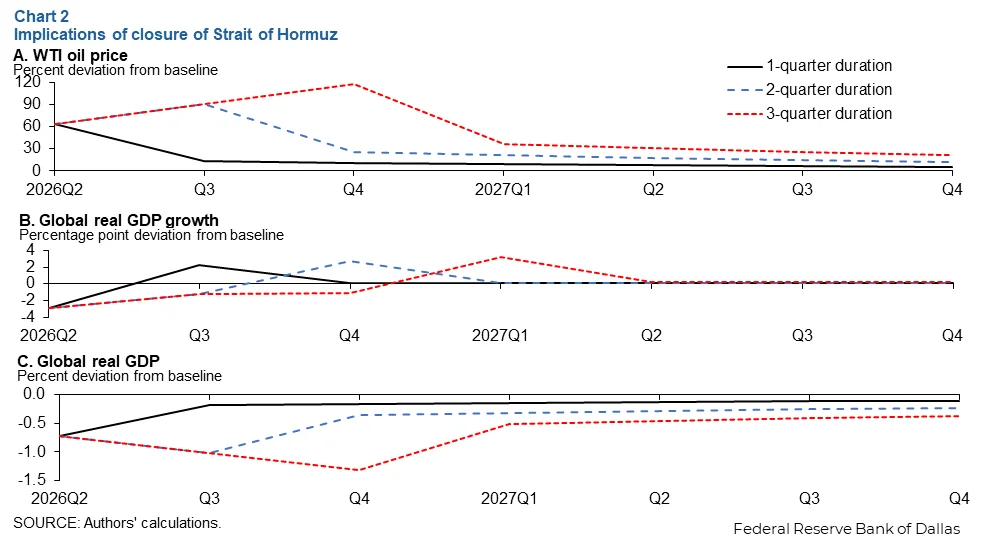
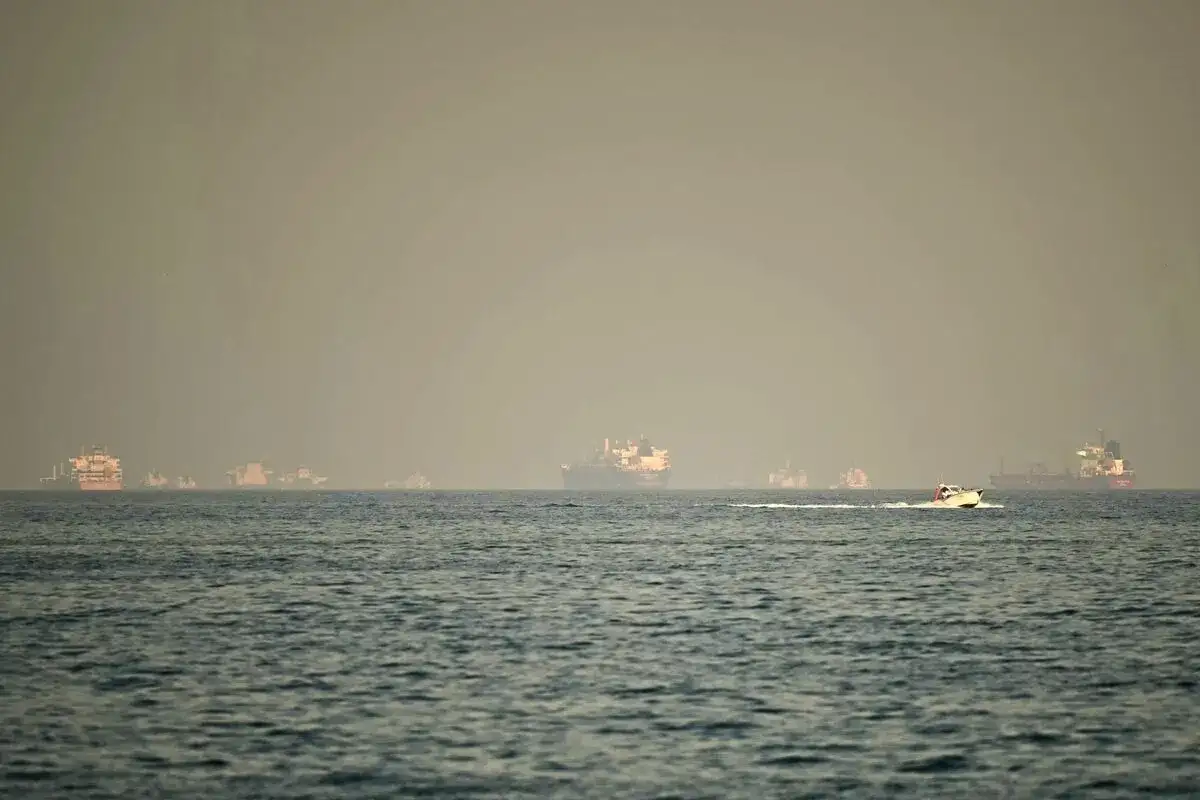
The closure of the Strait of Hormuz, through which about one-fifth of the world's oil passes, has already sent shockwaves through global energy markets. West Texas Intermediate (WTI) oil prices have surpassed $97 a barrel, with some scenarios predicting a rise to $167 a barrel if the blockade persists. This surge in oil prices directly translates to higher gasoline costs.
Read More: Goldman Sachs predicts 15 million US jobs lost to AI by 2036
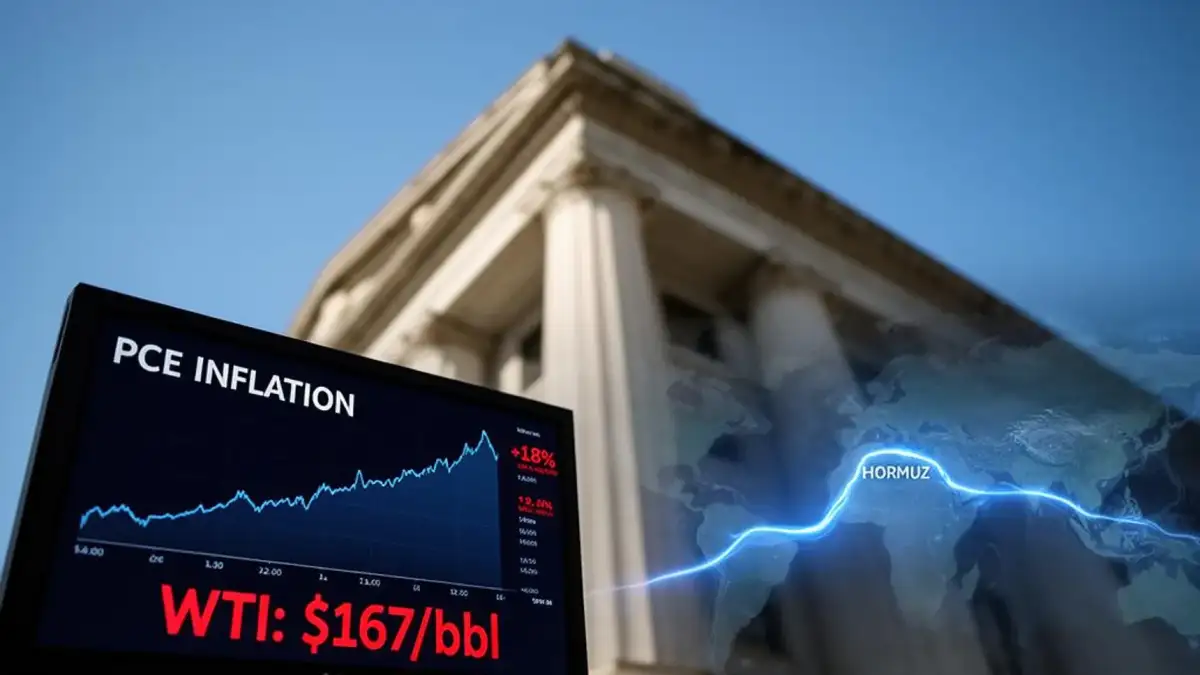
The Dallas Fed research quantifies the potential impact on U.S. inflation:

A one-quarter closure of the Strait could increase headline Personal Consumption Expenditures (PCE) inflation by 0.35 percentage points in the fourth quarter.
A three-quarter closure could push headline PCE inflation up by 1.47 percentage points.
Core inflation, which excludes volatile food and energy prices, might see an increase of 0.18 percentage points for a one-quarter closure, rising to 0.49 percentage points for a three-quarter closure.
The study's findings suggest that these increases in gasoline prices "spill over into core inflation or destabilize longer-term inflation expectations" is unlikely. This is a crucial point for the Federal Reserve, as sustained rises in core inflation and unanchored expectations could necessitate a more hawkish monetary policy, potentially prolonging restrictive interest rates.
Geopolitical Risk and Economic Ripples
The ongoing Middle East conflict, which has brought the Strait of Hormuz to the brink of closure, is the backdrop for this economic scrutiny. The Dallas Fed's simulations model the effects of oil supply disruptions stemming from this geopolitical tension. While the direct impact on oil prices is modeled, the research focuses on how these price movements translate into broader inflation measures and, critically, public and market expectations of future inflation.
Read More: Iran Warns Gulf States After U.S. Naval Clash
The researchers employed a quarterly model to assess the impact of oil supply disruptions on WTI prices, depending on the duration of the shortfall. They then used this to derive potential paths for U.S. retail gasoline prices and subsequent inflation figures. The consistency of these patterns was found to be robust across different model specifications and inflation measures.
The potential economic consequences extend beyond inflation, with other reports indicating a possible hit to global Gross Domestic Product (GDP) if the Strait of Hormuz remains shut. This underscores the interconnectedness of global energy markets and their sensitivity to geopolitical instability.