

/2026/04/08/879186760p.jpg)
Wall Street witnessed a significant upswing yesterday, with the Dow Jones Industrial Average leaping approximately 1,200 points, and the Nasdaq and S&P 500 indexes also posting substantial gains. This market surge coincided with a sharp drop in oil prices, falling below the $100 per barrel mark. The catalyst for this financial turbulence appears to be the announcement of a conditional, two-week ceasefire between the United States and Iran.
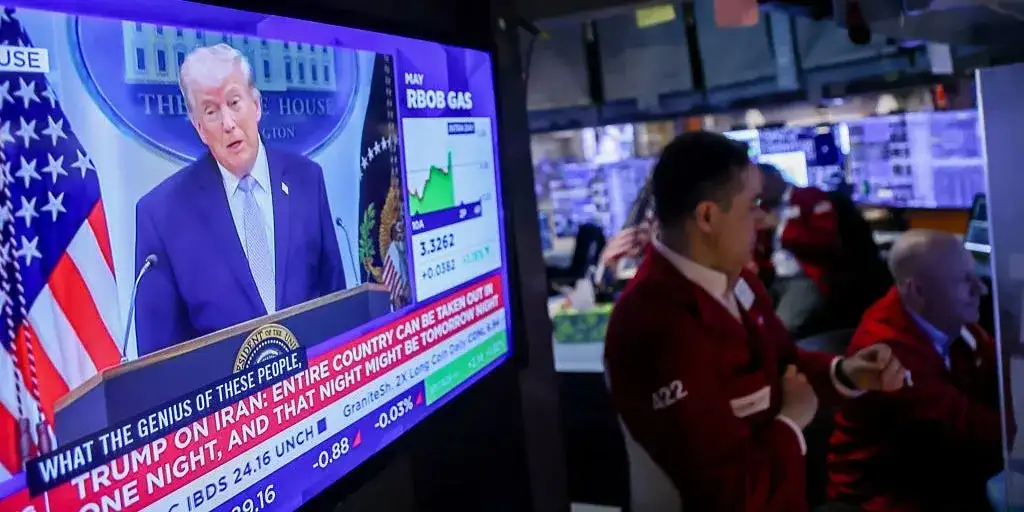
The market's immediate reaction to the US-Iran ceasefire announcement was a strong rally, driven by the perceived easing of geopolitical tensions and the subsequent fall in oil prices, which in turn quelled inflation fears. This relief extended globally, with major stock indexes in Asia and Europe also experiencing notable increases, some marking their largest one-day percentage gains in a year.
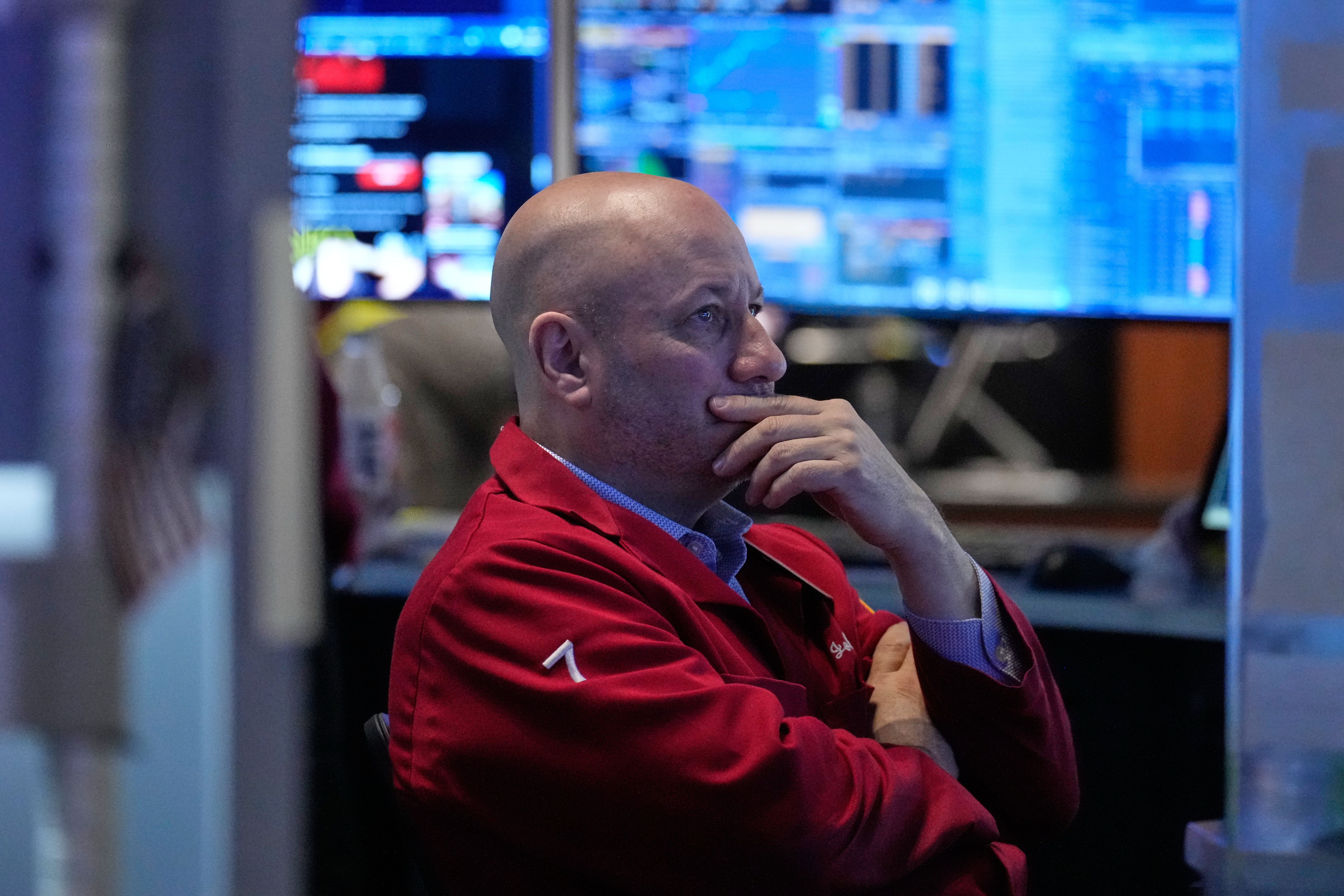
Market Reacts to Easing Tensions, Falling Oil
The abrupt halt in hostilities, announced by President Donald Trump, suspended a conflict that had disrupted critical global energy supply routes, including the Strait of Hormuz. The market's embrace of this truce was evident in the broad-based gains across sectors, with energy stocks that had previously seen gains due to the conflict now faltering. Companies with high fuel costs, sensitive to energy price fluctuations, saw a rebound.
Read More: Why companies demand repeated background checks for current employees in September 2026

"Investors' wish for a ceasefire has been granted, triggering a rally across financial markets and pulling down the oil price," noted one market observer.
Gold and silver experienced initial climbs, seen as safe-haven assets amidst uncertainty, though some gains were later pared. Bitcoin and other cryptocurrencies also saw a sharp increase, reflecting a renewed appetite for risk among investors. Treasury yields eased as the prospect of a ceasefire lessened demand for safe-haven debt.
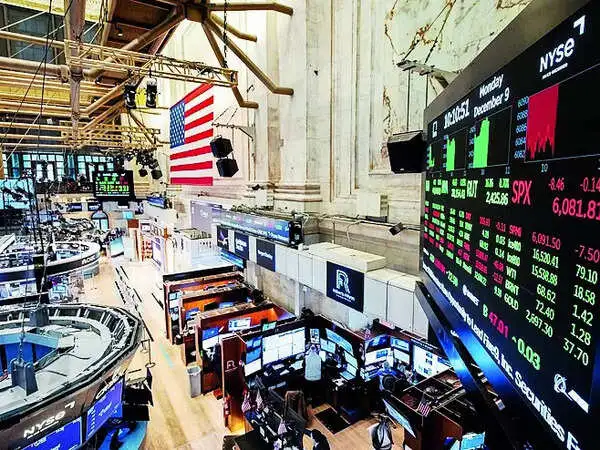
Ceasefire Fraught with Distrust and Lingering Uncertainty
Despite the initial elation, the ceasefire is shadowed by significant distrust and remains fragile. Iranian officials, including Parliament Speaker Mohammad Bagher Ghalibaf, quickly voiced concerns, alleging violations of the agreement by the U.S. even as peace negotiations were slated to begin in Islamabad. This highlights the deep-seated skepticism between the two nations.
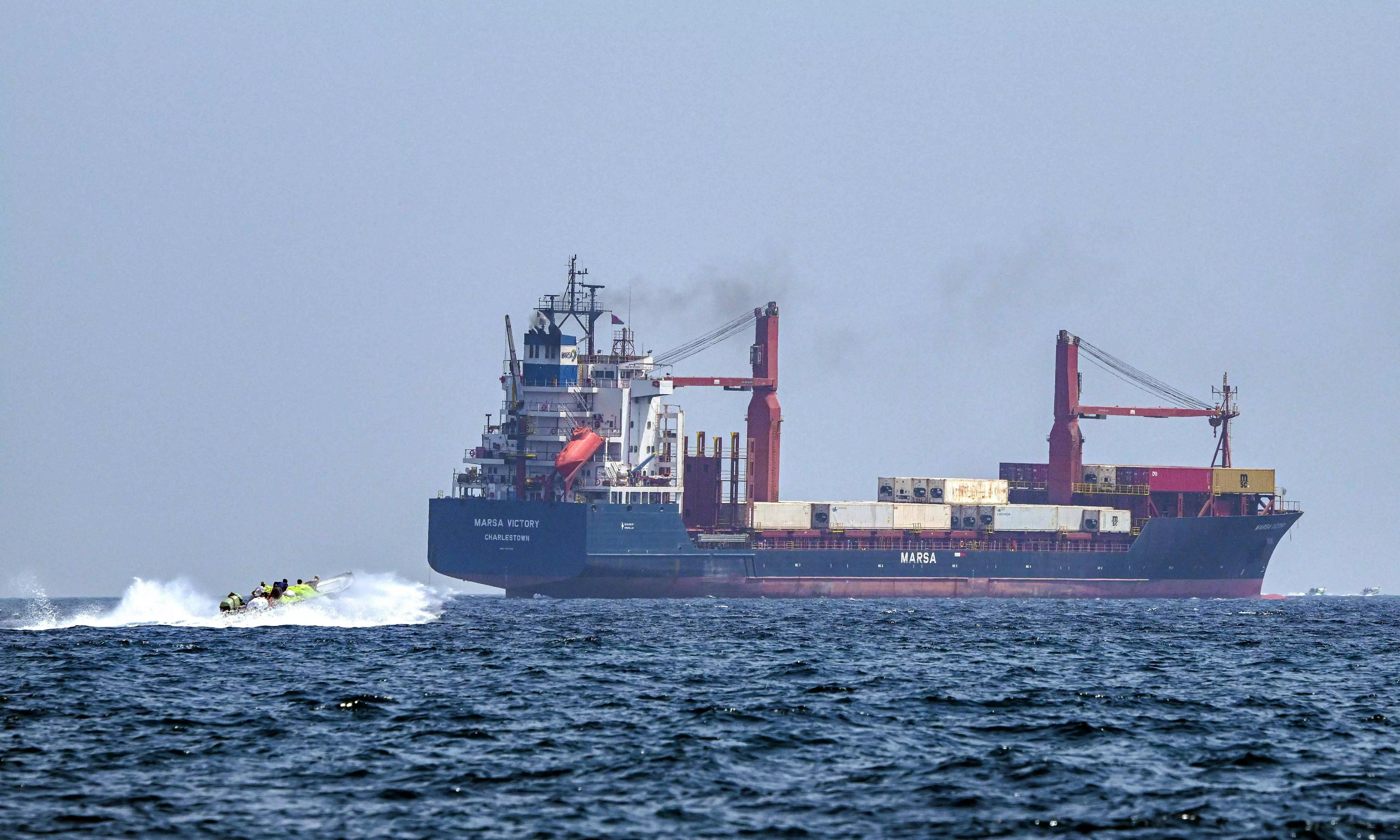
Iran's Supreme National Security Council reportedly agreed to reopen the Strait of Hormuz for two weeks, contingent on a complete halt to all attacks. However, the passage of oil tankers through the strait was still reported as limited, with only four ships transiting on Wednesday, according to S&P Global Market Intelligence.
The resumption of full energy production and export from the Persian Gulf is expected to take weeks, if not months, even under a stable ceasefire. Furthermore, the ultimate passage of vessels remains dependent on securing crucial maritime insurance, a vital financial hedge for valuable cargo. The future trajectory of oil prices hinges on the ease and volume of tanker traffic through the Strait of Hormuz.
Read More: Iran Offers New Shipping Routes Near Strait of Hormuz After Ceasefire
Background: A Conflict's Shadow Over Markets
The recent conflict between the United States and Iran, which began on February 28th following U.S. and Israeli strikes on Iran, had significantly impacted global energy markets. Iran's retaliatory actions, targeting energy and industrial infrastructure, had led to volatile oil prices and fears of fuel shortages. This period of heightened geopolitical risk had driven investors towards safer assets and dampened risk appetite across financial markets. The current ceasefire, while offering a temporary reprieve, underscores the complex interplay between international relations and global economic stability.


:max_bytes(150000):strip_icc()/GettyImages-2266364349-74098c686f1d4a3982ac9ef06d20ca15.jpg)