/i.s3.glbimg.com/v1/AUTH_63b422c2caee4269b8b34177e8876b93/internal_photos/bs/2026/o/l/VJlN6BRqyW7MJW7EZqrA/foto07pol-101-rio-a19.jpg)
A Crucial Crossroads
Brazil's Supreme Court has kicked the can down the road on a decision determining how Rio de Janeiro will select its next governor. This postponement plunges the state into further political murkiness, with no clear path forward for leadership. The delay leaves political parties scrambling to position themselves, jockeying for advantage in an environment defined by ambiguity.
The Supreme Court's indecision on the Rio governorship selection process is perpetuating political instability and leaving state governance in a state of flux.

The Interregnum and Shifting Sands
In the absence of a definitive gubernatorial choice, Ricardo Couto is acting as interim governor. This unprecedented arrangement comes after the departure of former governor Cláudio Castro and former vice-governor Thiago Pampolha. The state's public security department, for instance, is awaiting formal approval from the Supreme Court before proceeding with certain actions, illustrating the paralysis.
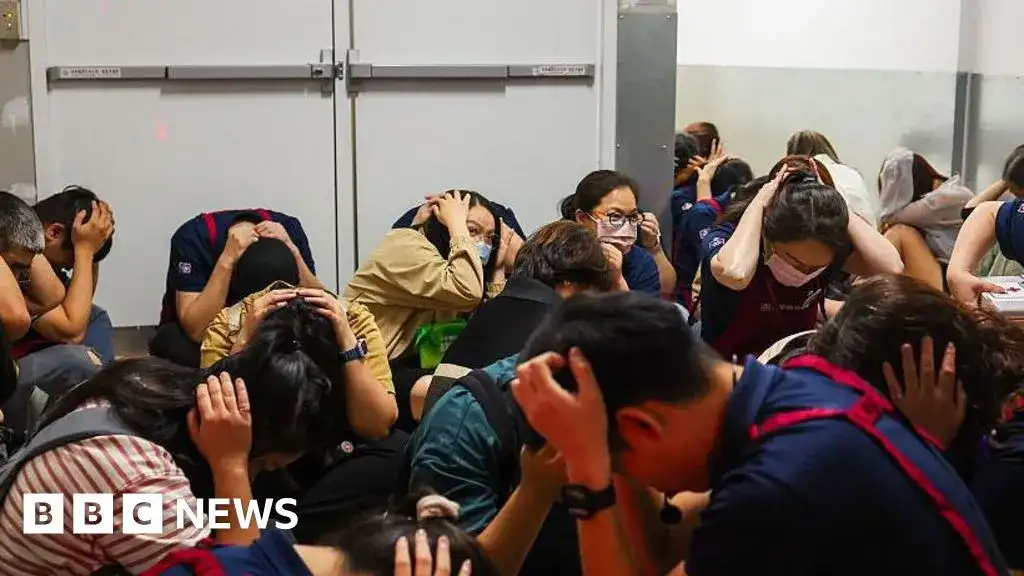
Read More: Taiwan Holds Nantou County Drills to Prepare for State Collapse
The political landscape is in constant flux. State lawmaker Douglas Ruas, who initially backed an indirect election, is now reportedly considering a direct vote should the court lean that way. His strength lies in his legislative connections. Meanwhile, former governor Anthony Garotinho is also exploring a potential run, his eligibility bolstered by a court decision that suspended the effects of a prior conviction. The party of Cláudio Castro is also reportedly evaluating Waguinho, the former mayor of Belford Roxo, who is currently under arrest and has lost his mandate following a conviction alongside Castro.

A Court Central to Brazil's Political Collisions
This situation in Rio is not isolated but reflects a broader trend of the Supreme Court becoming a central arbiter in Brazil's tumultuous political arena. This has been particularly evident in the aftermath of the Jair Bolsonaro era. The court stepped in to check authoritarian ambitions, including ordering Bolsonaro to stand trial for an alleged coup plot. He was also taken into preventive custody amid concerns he might tamper with his ankle monitor.
Read More: Lula Calls Bolsonaro Family 'Traitors' After Meeting With Trump
The Supreme Court has found itself at the epicenter of Brazil's political storms, navigating complex legal and political challenges that have tested the nation's democratic structures.

This heightened role of the judiciary has not gone unnoticed, with some lawmakers in Congress proposing measures to limit the scope of Supreme Court justices' decisions. They've accused the court of overstepping into legislative territory, particularly on social issues.
Echoes of Past Struggles
The legal battles and political maneuvering in Rio echo broader national concerns about the integrity of democratic processes. The departure of eleven Brazilian governors to enter the 2026 presidential race, for example, reshaped the opposition landscape and opened up nine Senate seats. Among those who resigned was Cláudio Castro, who plans to register sub judice, meaning his votes would only count if his conviction is overturned before the election.
Read More: FBI Analysts Review Georgia 2020 Election Data in Fulton County

The Supreme Court's involvement in matters of national import, from calculating royalty payments to debt restructuring, and its role in prosecuting figures like Bolsonaro and the federal district governor Ibaneis Rocha (removed for 90 days following the January 8, 2023, riots), underscore its pervasive influence. These actions have often been framed as efforts to protect democracy and uphold the rule of law, though some narratives surrounding the court's actions, particularly concerning Bolsonaro's imprisonment, leave certain complexities unexamined.
The court has also grappled with historical accountability, with discussions surrounding dictatorship-era crimes and the applicability of the Amnesty Law. In a separate instance, Fernando Collor de Mello, a former president, was ordered imprisoned over corruption charges related to the Lava Jato scandal, though later granted house arrest due to health and age.
Read More: Brazil Monitors Two Suspected Novel Disease Cases
A Pattern of Judicial Intervention
Brazil's Supreme Court has repeatedly been thrust into the spotlight. Its justices have been instrumental in decisions impacting high-profile political figures and in defining the boundaries of executive and legislative power. This pattern of intervention, while sometimes necessary to address perceived threats to democracy, also raises questions about the separation of powers and the long-term implications for Brazil's governance.