A recent wave of de-escalation in the Middle East, specifically a two-week ceasefire agreement between the U.S. and Iran, has triggered a noticeable shift in global commodity markets. This pause in hostilities has eased geopolitical risk premiums that had previously inflated prices, leading to a downturn in crude oil and natural gas. Conversely, precious metals like gold and silver, along with industrial metals such as platinum and copper, have seen an upward trend. This reversal suggests markets are recalarating, moving away from factoring in worst-case conflict scenarios toward anticipating a potential return to more normalized trade and supply dynamics.
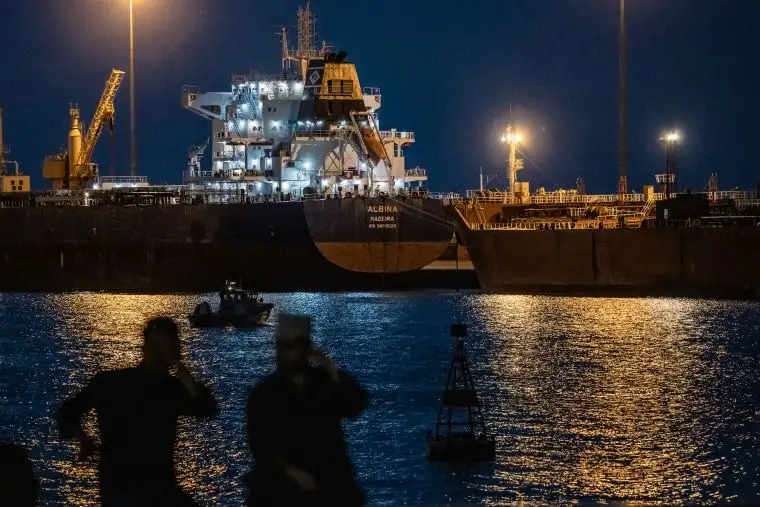
The ceasefire announcement appears to be the primary catalyst for these diverging market movements. Before this development, prices for commodities, particularly oil, had been significantly influenced by geopolitical tensions, not necessarily by fundamental supply constraints. The U.S. and Israel's strikes on Iran and the subsequent threat to maritime traffic, including the Strait of Hormuz, had created a heightened sense of uncertainty and pushed prices higher. The U.S. President's agreement to suspend planned attacks for two weeks, contingent on Iran's cooperation in reopening the Strait of Hormuz, marks a crucial, albeit tentative, de-escalation.
While the immediate impact has been a "relief rally" across many risk assets, including stocks, the longer-term implications remain clouded. The market's reaction is described by some observers as more of a "positioning reset" rather than a definitive shift towards sustained optimism. Underlying macroeconomic concerns persist, and skepticism remains regarding the durability of the ceasefire. This indicates that while immediate pressures have eased, a cautious approach to market engagement is likely to continue.

Commodity Divergence
The impact on different commodities has been starkly varied:

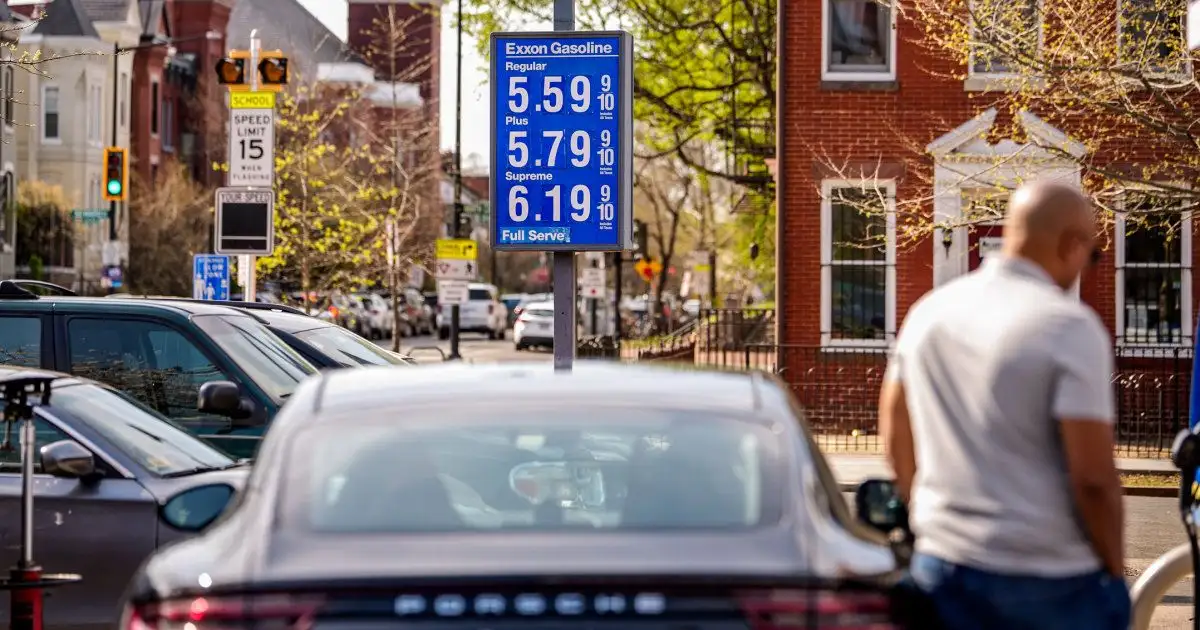
Oil and Natural Gas: These energy products experienced a significant plunge following the ceasefire news. The prior surge in oil prices was largely attributed to a "geopolitical risk premium," which has now begun to contract. For instance, U.S. gasoline prices, which had reached near four-year highs, saw a notable drop. Shipping companies, such as Maersk, also faced pressure as the expectation of route normalization grew.
Gold and Silver: In contrast, gold, silver, and platinum have moved higher. This suggests that while the immediate threat of conflict has lessened, demand for safe-haven assets persists, possibly due to ongoing global economic uncertainties or lingering doubts about the ceasefire's longevity.
Market Context and Precedent
This market adjustment follows a period of significant volatility. For weeks, crude oil prices had been highly sensitive to every geopolitical development, trading on uncertainty rather than established supply and demand fundamentals. Reports indicated that Saudi Aramco had cut crude supply to Asian buyers for a second consecutive month in April, preceding the ceasefire announcement and contributing to existing supply concerns. The U.S. Federal Reserve's recent meeting minutes, released around the same time, did not appear to alter the downward trajectory of oil prices following the ceasefire news, highlighting the dominance of the geopolitical catalyst.
Read More: Iran Warns Gulf States After U.S. Naval Clash
The Indian Rupee, which had sharply declined due to rising oil prices stemming from Middle East conflict escalation, has also seen a reversal in its downward trend, reflecting the easing of oil-driven pressures. However, the technical indicators for the rupee suggest this reversal might be fragile, with momentum indicators in overbought territory.
Background
The recent conflict escalation involved U.S. and Israeli strikes on Iran, leading to concerns about disruptions to key shipping lanes like the Strait of Hormuz. This situation had driven up crude oil prices significantly, impacting global inflation and economies reliant on energy imports. The agreement for a two-week ceasefire represents a potential turning point, aiming to pause hostilities and negotiate further steps, including the release of hostages and the safe passage of vessels. The effectiveness and duration of this ceasefire remain critical factors for future market stability.