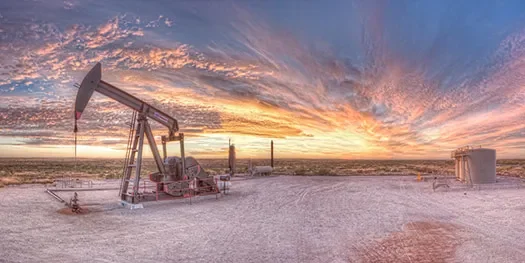
The US shale industry appears poised to ramp up crude production following a significant surge in oil prices, driven largely by geopolitical turmoil. The disruption in the Strait of Hormuz, stemming from recent attacks on Iran, has sent crude prices climbing by as much as 68% and past the $100 per barrel mark. This price escalation provides a crucial incentive for US companies, which had previously been hesitant to invest in new wells without sufficient profit margins.
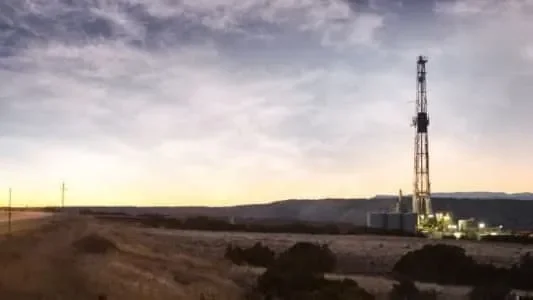
Forecasters such as Enverus and Rystad Energy suggest that any substantial increase in output from key shale fields, like the Permian Basin in West Texas and New Mexico, may take several months. This lag is attributed to the time-intensive processes of drilling, hydraulic fracturing, and bringing new wells online. Despite these lead times, the current price environment and the explicit calls from the Trump administration for increased production are shifting the calculus for many shale operators.
Read More: Volkswagen Stops Making ID.4 Electric Cars in Tennessee Today

Producers Navigate Volatility Amidst Price Surge
While the prospect of higher prices offers a potential financial windfall, estimated by some analyses to reach $63 billion for US producers, a degree of caution persists within the industry. Some executives remain wary of the current price spike being transient, given the volatile geopolitical landscape. This makes long-term planning difficult, with many producers prioritizing shareholder returns, debt reduction, and hedging strategies over immediate production increases.

The operational landscape for US shale has evolved. Rather than simply drilling more wells faster, there's a growing emphasis on improving recovery rates from existing wells. This shift, supported by the administration's signals to the energy sector, is seen as a key driver for future production growth over the next decade. Advancements in efficiency have also allowed some operators to produce more crude for less, even in the face of $60 oil prices, contributing to a sustained, albeit gradual, increase in supply.
Read More: Global Oil Prices May Take Up To A Year To Recover After Ceasefire

Broader Market and Historical Context
The US shale industry's ability to adapt and grow has implications for the global oil market. Past increases in US production have been significant enough to influence global supply dynamics. However, the industry itself remains vulnerable to price fluctuations, making it a less stable component of the international oil market according to some observers. The potential for increased US output serves as a partial buffer against external shocks, a lesson learned from past energy crises exacerbated by Middle East instability.
The narrative of US shale production has seen a transformation over the years. From its early days of rapid expansion driven by hydraulic fracturing and horizontal drilling, the focus is now shifting towards optimizing existing resources. Long-term projections, such as a potential 67% surge in output by 2030 under certain price scenarios, highlight the industry's enduring significance. Despite rising production costs, many shale projects continue to demonstrate profitability, with breakeven prices remaining below current market rates.
Read More: Dow Jones Hits Record High After Iran Ceasefire, Oil Prices Drop

:max_bytes(150000):strip_icc()/GettyImages-2266364349-74098c686f1d4a3982ac9ef06d20ca15.jpg)