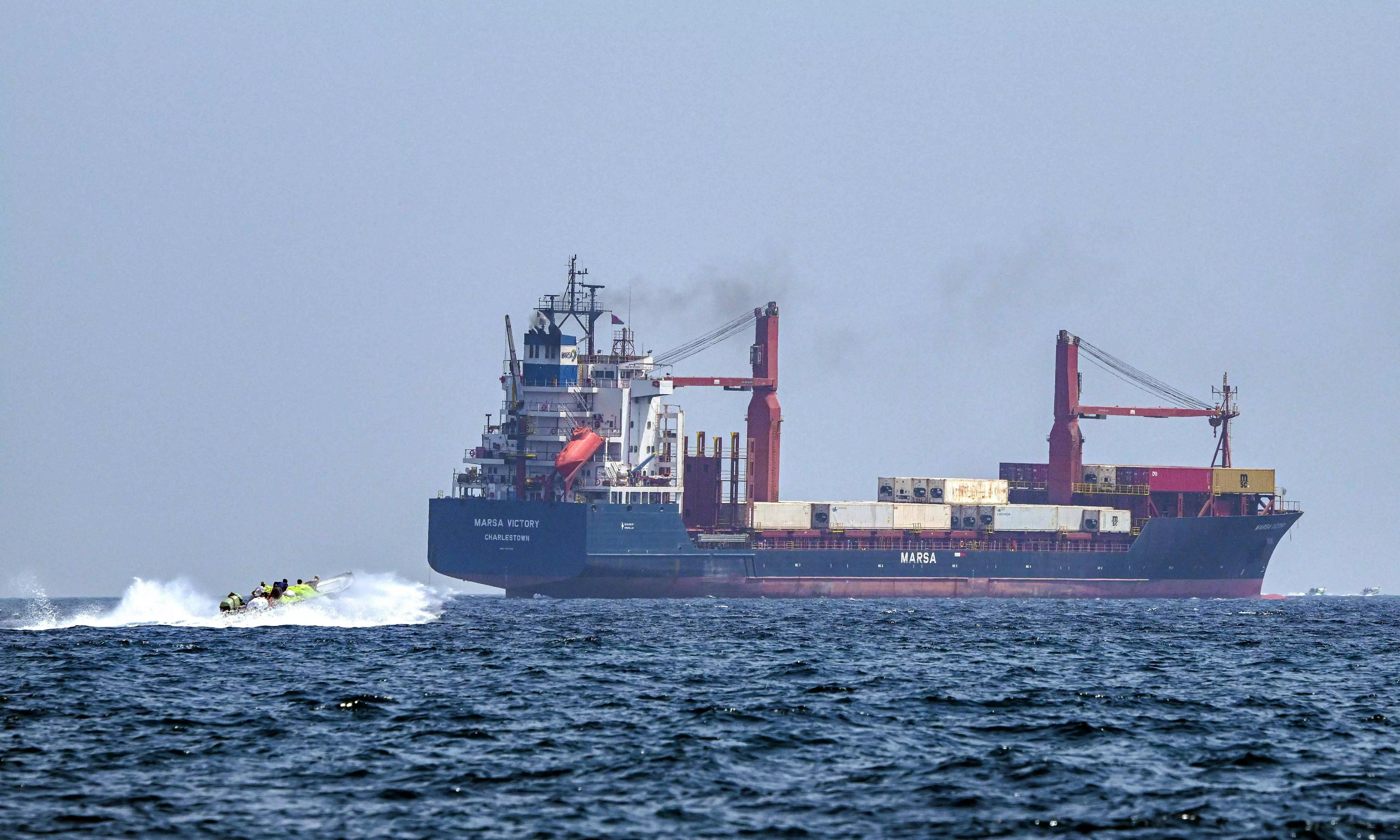
Tehran has unveiled alternate shipping routes through the Strait of Hormuz, a critical artery for global oil, as conflicting reports emerge regarding the waterway's status. The move follows a two-week ceasefire agreement between Iran and the United States, brokered by Pakistan.

Iran's announcement of new navigational advisories and maps aims to guide ships around alleged sea mine threats in the primary transit zone. This comes after Tehran had effectively blocked the key shipping route since early March, triggering a significant spike in global energy prices.

Shifting Routes, Unclear Strait
Reports indicate Iran agreed to temporarily reopen the strait as part of the two-week truce. However, the situation remains muddled, with some outlets suggesting Iran has closed the waterway again despite the ceasefire. Shipping sources claim tankers attempting transit received threatening messages from the Iranian Navy, and some state media reports suggest a complete closure.
Read More: Oil Prices Over $100 After Strait of Hormuz Attacks Cause 68% Price Jump
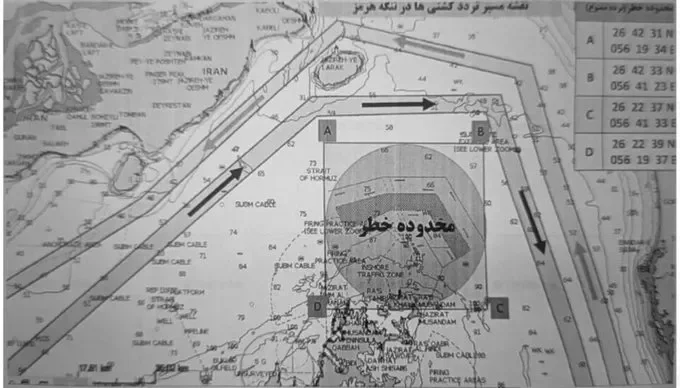
The new routes, published by the Islamic Revolutionary Guard Corps (IRGC) Navy, direct traffic through designated paths. Some advisories place these routes closer to Iranian shores.
Ceasefire Strain and Wider Conflict
The ceasefire agreement itself appears fragile. Iran has accused the US of violating its terms, while the US Secretary of State Seyed Abbas Araghchi pointedly stated the US must choose between a ceasefire or continued conflict via Israel.
The rerouting of ships coincides with renewed Israeli strikes on Lebanon, targeting Hezbollah positions. Iran's actions have been framed by some reports as a response to these Israeli incursions, escalating tensions in the region. The conflict, according to one report, began on February 28th with a preemptive attack by Washington and Tel Aviv on Tehran.
Potential Transit Fees and Strategic Importance
Beyond the immediate mine threat, Iran has also signaled that future, long-term arrangements for passage through the Strait of Hormuz could involve transit fees. This possibility is reportedly being considered by Washington as well, suggesting a potential shift in the established protocols for this vital maritime chokepoint. The Strait of Hormuz, a narrow channel between Iran and Oman, carries approximately one-fifth of the world's oil supply, underscoring its immense strategic importance.
Read More: Iran Ceasefire Holds After US Threatens Infrastructure Damage


:max_bytes(150000):strip_icc()/GettyImages-2266364349-74098c686f1d4a3982ac9ef06d20ca15.jpg)