UPDATE: A two-week ceasefire between the United States and...
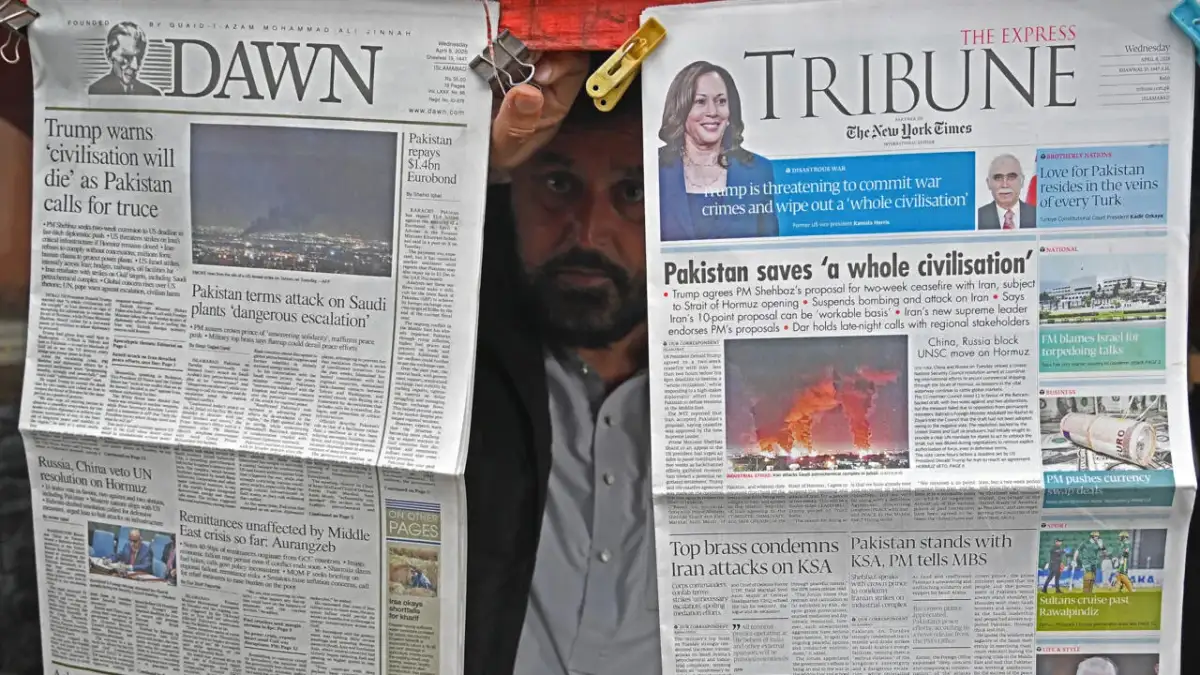
A two-week ceasefire between the United States and Iran, brokered with significant, if understated, involvement from Pakistan, has taken hold. Details of the accord remain scant, with entrenched positions and a palpable lack of trust persisting between the warring parties. Nevertheless, Islamabad has signaled its willingness to host further peace talks, a move that underscores its emergent role in de-escalating a volatile geopolitical flashpoint. The ceasefire, announced after weeks of intense, behind-the-scenes engagement, represents a significant diplomatic maneuver for Pakistan.

The success of this delicate negotiation hinges on Pakistan's role as an intermediary, a position it has cultivated through sustained engagement with both Washington and Tehran, as well as their respective allies across the globe. Prime Minister Shehbaz Sharif's administration has been actively canvassing for consensus, reaching out to leaders in Washington, Beijing, Moscow, Europe, and the Gulf. This broad diplomatic outreach suggests an effort to build a semblance of multilateral support for a limited cessation of hostilities, a crucial first step in addressing the protracted conflict.

The impetus for Pakistan's assertive diplomatic posture appears multifaceted. Reports indicate that economic considerations, particularly concerning energy security, weigh heavily on Islamabad. Furthermore, Pakistan's own internal security landscape, marked by increasing TTP-related attacks and ongoing tensions with Afghanistan, likely fuels an urgency to stabilize regional dynamics. The presence of the TTP harboring within Afghanistan, a contention between Pakistan and the Taliban, adds another layer of complexity to the region's already fraught security architecture.
FLASH: China, identified as a key player alongside Pakistan...
China, identified as a key player alongside Pakistan in brokering this fragile peace, seemingly views the ceasefire through the lens of its own strategic interests. Beijing's engagement with Pakistan, including discussions on regional stability and calls for restraint in Afghanistan, points to a broader agenda. Some analysts suggest that China's influence, particularly its ability to persuade Iran toward negotiation, as hinted by former US President Trump, played a pivotal role. This dynamic positions China as a critical, albeit perhaps self-interested, facilitator in a region where its energy security is a paramount concern.
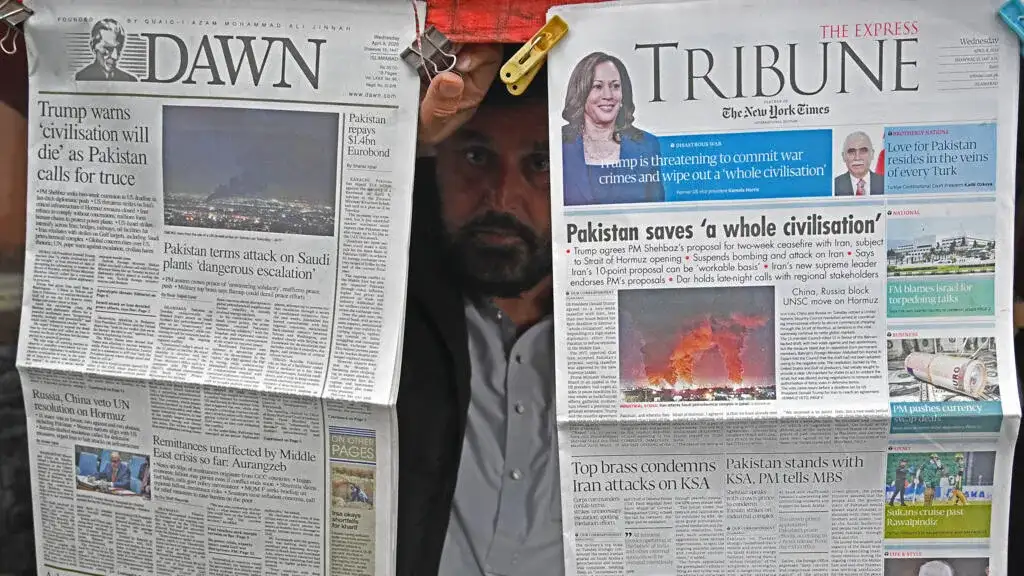
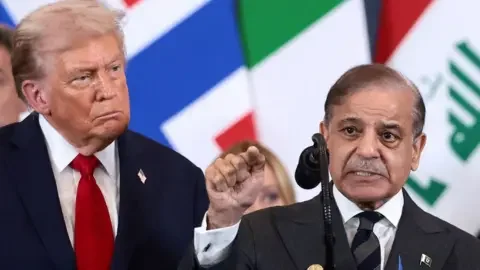
The operational details of the ceasefire negotiations reveal a complex web of communication. Reports from Tuesday evening suggest a period of intense deliberation, involving Pakistani officials such as Munir and Malik, alongside a US contingent including former President Trump, Secretary of State Marco Rubio, Vice President JD Vance, and Special Envoy Steve Witkoff. On the Iranian side, senior figures including Parliamentary Speaker Mohammad Bagher Ghalibaf and Foreign Minister Abbas Araghchi were reportedly involved. Crucially, Pakistani officials assert that the US was privy to and amenable to China's intervention, hinting at a coordinated, if unconventional, diplomatic approach.
While the immediate focus is on the US-Iran ceasefire, Pakistan's wider regional entanglements cannot be ignored. The nation's defense pact with Saudi Arabia, which remains uninvoked despite repeated attacks on the Kingdom, adds another geopolitical dimension. Some observers suggest this implicit backing could have exerted pressure on Iran. Furthermore, Pakistan's own demographic landscape, boasting the world's second-largest Shia Muslim population after Iran, imbues its involvement with a unique sensitivity.
The immediate aftermath of the ceasefire announcement saw...
The immediate aftermath of the ceasefire announcement saw mixed signals. Prime Minister Sharif’s earlier mood reportedly bordered on despair, indicating the precariousness of the diplomatic efforts. However, the eventual breakthrough has been framed by some as Pakistan's "biggest diplomatic win in years." The truce, though fragile, now sets the stage for future engagement, with Islamabad poised to host further discussions, commencing April 10th. The coming weeks will reveal the true resilience of this hard-won, and perhaps precarious, peace.